
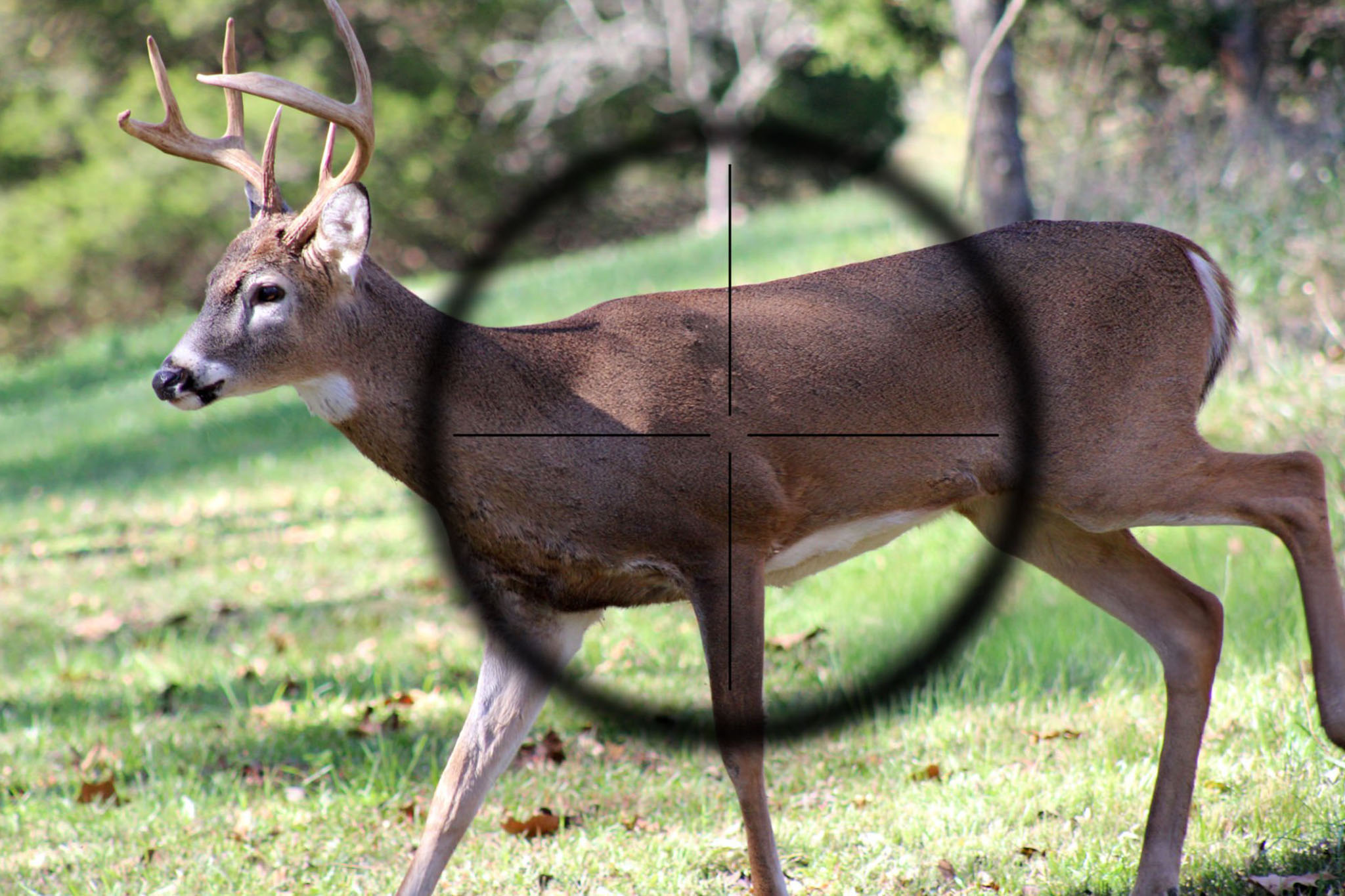
For many whitetail hunters, the end of winter marks the beginning of a new scouting season. Shed hunting, checking trail cameras, and exploring hunting properties all become priorities as the woods slowly come back to life. However, one critical detail often goes unnoticed during this period: where mature bucks choose to bed after winter ends.
Understanding post-winter bedding areas can give hunters valuable insight into how deer use the landscape before summer patterns fully develop. While many hunters focus on obvious bedding locations like thick brush or deep timber, mature bucks frequently shift to less obvious bedding spots during late winter and early spring.
These overlooked bedding areas can reveal important clues about future deer movement and help hunters identify productive stand locations months before hunting season begins.
Why Bucks Change Bedding Areas After Winter
During the harsh winter months, whitetail deer focus primarily on survival. Bucks often choose bedding areas that provide maximum protection from cold wind, deep snow, and predators. These locations are typically thick, sheltered environments where deer can conserve energy.
However, once winter conditions begin to fade, deer behavior starts to change.
As temperatures rise and food becomes more available, mature bucks begin shifting their bedding locations to places that offer:
- Better access to fresh forage
- Improved visibility of surrounding terrain
- Comfortable temperatures during warmer days
- Security from predators and human disturbance
This seasonal shift creates opportunities for hunters to locate bedding areas that may become important again when fall arrives.
The Role of Sunlight in Spring Bedding
One major factor influencing post-winter bedding areas is sun exposure.
After months of cold weather, deer often choose bedding locations that receive plenty of sunlight during the day. Warm sunlight helps regulate body temperature and reduces the energy required to stay comfortable.
South-facing slopes are particularly attractive during this time of year. These slopes warm up faster in the morning and tend to remain warmer throughout the day.
Because of this, mature bucks frequently bed on:
- South-facing hillsides
- Open timber that allows sunlight to reach the ground
- Elevated ridges with good sun exposure
Hunters scouting these areas in late winter or early spring may notice flattened vegetation or beds in places that might seem too open during the fall season.
Transitional Bedding Zones
Another overlooked bedding location used by bucks after winter is transitional cover between feeding and security areas.
As deer begin moving more frequently between food sources and bedding cover, they often select temporary bedding spots along these travel routes.
These transitional zones might include:
- Small patches of brush between fields and timber
- Edges of young clear-cuts
- Narrow strips of cover along ridges
- Overgrown fence lines or ditch banks
Because these areas appear small or insignificant, many hunters walk past them without realizing they can hold mature deer during certain times of the year.
Yet these transitional bedding spots often sit directly along important travel routes that bucks continue using into the fall.
High-Ground Bedding for Visibility
Mature whitetail bucks rely heavily on their ability to detect danger. One of their most effective defenses is selecting bedding areas that provide a clear view of approaching threats.
During the post-winter period, bucks often choose elevated bedding locations that allow them to monitor the surrounding terrain.
These high-ground bedding sites may include:
- Ridge tops overlooking feeding areas
- Small rises in otherwise flat terrain
- Hillsides with open timber and good visibility
From these positions, a buck can watch downhill while using wind currents to detect scent from behind.
Hunters scouting these areas in spring may find beds positioned strategically where deer can observe travel routes, trails, or field edges.
Early Spring Vegetation Changes
Another factor influencing bedding location is the gradual return of vegetation.
In early spring, many traditional fall bedding areas may still be too exposed because thick summer cover has not yet grown back. Mature bucks sometimes shift to areas that offer slightly more cover during this period.
These might include:
- Regenerating clear-cuts
- Patches of young saplings
- Tall grasses left from the previous growing season
- Brush piles or fallen timber
These locations provide enough concealment while still allowing deer to monitor their surroundings.
As the season progresses and vegetation thickens, bucks may move again to bedding areas that offer more security.
Water Sources and Bedding Proximity
Water becomes increasingly important as temperatures rise in late spring.
Mature bucks often choose bedding locations that allow easy access to reliable water sources such as:
- Small creeks
- Springs
- Pond edges
- Wetland areas
Bedding near water allows deer to remain comfortable without traveling long distances during warmer days.
For hunters scouting a property, finding bedding areas within a short distance of water can help reveal how deer move across the landscape.
Signs of Buck Bedding Areas
When scouting for overlooked bedding areas, hunters should look for several key signs.
These indicators may include:
- Flattened grass or leaves forming oval-shaped beds
- Clusters of beds within a small area
- Droppings concentrated near bedding locations
- Trails leading in multiple directions from the same spot
In some cases, beds may be located along the edges of thick cover where deer can quickly escape if danger approaches.
Finding even one mature buck bed can provide valuable clues about how deer are using the surrounding terrain.
Why These Areas Matter for Fall Hunting
Although deer behavior continues evolving throughout the year, many landscape features that influence bedding choices remain consistent.
Terrain advantages such as:
- Elevated ridges
- Sun-facing slopes
- Travel corridors near food sources
often continue influencing deer movement well into the hunting season.
Hunters who identify these bedding locations during spring scouting can begin mapping the likely routes deer will take when traveling between bedding and feeding areas in the fall.
This information helps determine where stand locations or ground blinds may eventually be most productive.
Avoiding Too Much Pressure While Scouting
While scouting is important, hunters should be careful not to disturb bedding areas excessively.
Even during the off-season, repeated intrusion can push deer away from otherwise productive locations. When investigating bedding areas, it is best to:
- Move quietly and slowly
- Avoid walking directly through bedding cover
- Scout during midday when deer are less active
- Use mapping tools to record locations and leave quickly
Maintaining low pressure helps ensure that deer continue using these areas naturally.
Final Thoughts
After the challenges of winter, whitetail bucks begin adjusting their behavior as the landscape changes. Bedding locations shift to areas that provide warmth, visibility, and convenient access to food and water.
While many hunters search only for the thickest cover, mature bucks often use overlooked bedding areas such as sunlit hillsides, transitional cover zones, and elevated ridges during late winter and early spring.
By scouting these subtle locations and recognizing the terrain features that influence bedding behavior, hunters can gain valuable insights into how deer use a property throughout the year.
The more you understand about where bucks choose to rest after winter, the easier it becomes to predict where they will travel when the next hunting season arrives.
