
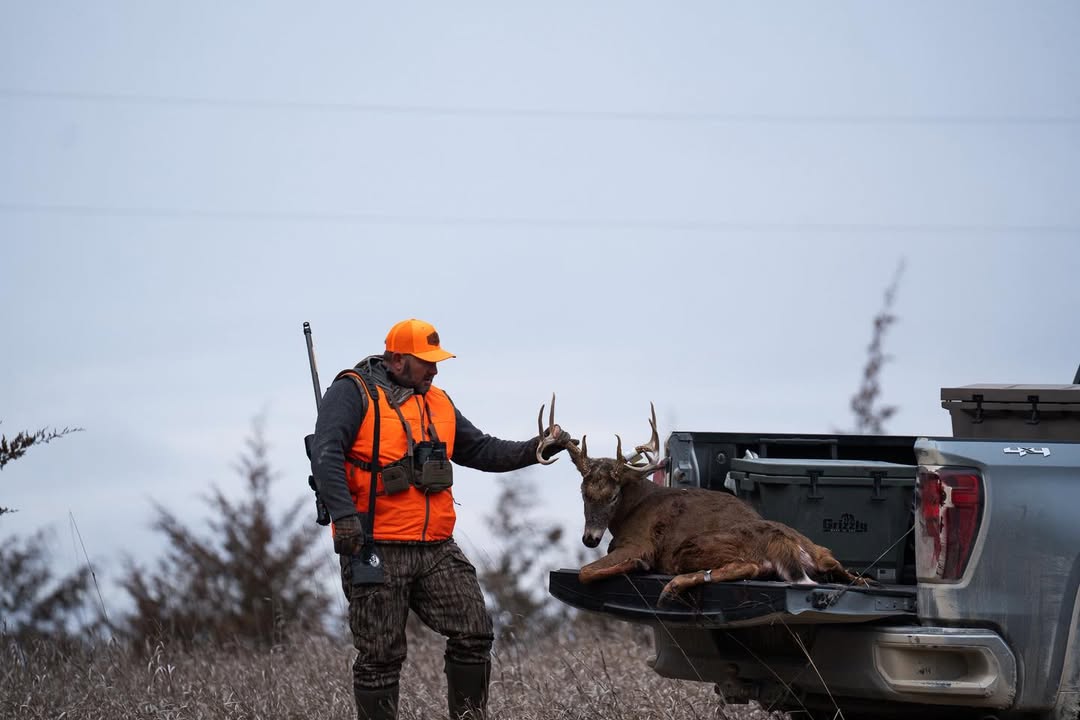
For many whitetail hunters across the United States, the end of deer season feels like the closing chapter of the year’s hunting story. Once winter sets in and tags are filled—or seasons close—many hunters shift their focus to other activities and wait until fall to start thinking about deer again.
However, experienced hunters know something that newer hunters often overlook: spring may actually be the best time of year to locate the biggest buck from last season.
While it may seem surprising, the months following winter provide valuable clues about mature buck behavior, travel routes, bedding areas, and feeding patterns. Spring scouting allows hunters to gather information that will remain hidden once summer vegetation grows thick and deer movement patterns change.
If you want to understand where the largest buck in your area lived during hunting season—and where he might appear next fall—spring is the time to start looking.
Post-Season Deer Sign Is Still Fresh
One of the biggest advantages of spring scouting is that last season’s deer sign is still visible on the landscape.
During winter, many of the tracks, trails, rubs, and scrapes created during the fall remain intact. Snow, leaf drop, and reduced vegetation actually make these signs easier to see than they were during hunting season.
By walking through your hunting areas in early spring, you may find:
- Large rub lines created by mature bucks
- Heavy travel trails connecting bedding and feeding areas
- Old scrape locations along field edges and ridges
- Tracks that reveal major movement corridors
These signs tell the story of how deer used the property during the previous fall. Since mature bucks are creatures of habit, many of these travel patterns repeat year after year.
Spring scouting gives you the chance to study these patterns without the pressure of active hunting.
Shed Hunting Reveals Where Big Bucks Survived Winter
Another reason spring is so valuable for hunters is the opportunity to find shed antlers.
Whitetail bucks typically drop their antlers sometime between late winter and early spring. These shed antlers often fall near the areas where deer spend most of their time during the post-season period.
Finding a large shed antler confirms something every hunter wants to know: a mature buck survived the previous hunting season.
Even more importantly, the location where the antler is found can reveal critical information about the buck’s winter behavior.
Common places where hunters discover sheds include:
- South-facing slopes that receive more sunlight
- Thick bedding cover that protects deer from wind
- Food sources such as crop fields or winter browse areas
- Travel routes between bedding and feeding locations
By carefully noting where sheds are located, hunters can begin mapping the core areas used by mature bucks.
Spring Vegetation Makes Scouting Easier
During the hunting season, thick foliage often makes it difficult to see deer trails and travel corridors. In many parts of the country, trees, brush, and tall grasses hide much of the landscape.
In spring, however, much of that vegetation has not yet returned.
This open visibility allows hunters to clearly identify features that were hidden in the fall, including:
- Secondary trails used by cautious bucks
- Funnel areas where terrain forces deer movement
- Hidden bedding pockets inside thick cover
- Subtle terrain changes such as benches and ridges
Walking these areas during spring gives hunters a much better understanding of how deer navigate the landscape.
Once summer growth returns, many of these features become difficult to recognize again.
Mature Bucks Leave Distinct Sign
One of the most exciting aspects of spring scouting is identifying sign left by mature bucks.
Large bucks often leave bigger, more noticeable rubs than younger deer. These rubs are usually found on larger trees and may appear in clusters along travel routes.
When several large rubs appear along the same path, they often form what hunters call a rub line. These lines can reveal a buck’s preferred movement corridor during the pre-rut and rut.
Spring scouting allows hunters to trace these rub lines and determine where the buck likely traveled between bedding and feeding areas.
Following this sign often leads to the discovery of excellent stand locations for the next hunting season.
Bedding Areas Become Easier to Identify
Mature bucks are known for choosing bedding locations that offer both security and a clear view of their surroundings.
These bedding areas are often located in places such as:
- Thick brush near ridgelines
- Points of high ground overlooking valleys
- Small patches of cover surrounded by open land
- Areas with favorable wind advantage
In spring, flattened grass or leaves may still mark the spots where deer bedded during winter.
By locating these bedding areas, hunters can determine the core zones where mature bucks feel safe. Understanding these locations is critical when planning future stand setups.
Terrain Funnels Become Obvious in Spring
Whitetail deer often move through specific terrain features known as funnels. These are natural areas where the landscape forces deer to pass through narrow travel routes.
Funnels can include:
- Saddles between ridges
- Creek crossings
- Field corners
- Narrow strips of timber between open areas
In spring, when the woods are more open, these funnels become easier to spot.
Once identified, they often provide ideal locations for future tree stands or ground blinds.
Because deer naturally use these routes during their daily movement, funnels often produce consistent hunting opportunities.
Spring Scouting Helps Plan Fall Stand Locations
Perhaps the greatest advantage of spring scouting is the ability to prepare for the next hunting season months in advance.
Without the pressure of active hunting, you can take your time exploring the property and learning how deer use different parts of the landscape.
This is the perfect time to:
- Identify potential tree stand locations
- Trim shooting lanes
- Mark travel corridors on mapping apps
- Evaluate wind directions for stand placement
By completing this work in spring, hunters can avoid disturbing deer during the more sensitive summer and early fall months.
Preparation done now can pay off when the season finally arrives.
Less Hunting Pressure Means More Natural Clues
During hunting season, deer behavior often changes due to pressure from hunters. Bucks may travel at night, avoid open areas, or shift their bedding locations.
In spring, that pressure is gone.
The sign left behind reflects natural deer movement patterns, not behavior altered by hunters.
This makes spring one of the most accurate times to study how deer actually use the land.
Understanding these natural patterns gives hunters a significant advantage when planning future hunts.
The Smart Hunter Never Stops Scouting
Successful hunters understand that deer hunting is not just about the weeks spent in the stand each fall. Much of the work that leads to a successful season happens months earlier.
Spring offers a rare opportunity to study deer sign, locate mature buck activity, and learn the layout of the land without disturbing current hunting patterns.
By spending time in the woods during spring, hunters gain valuable insight that many others miss.
Final Thoughts
While many hunters pack away their gear once deer season ends, the most dedicated whitetail hunters know that the real work often begins afterward.
Spring is one of the best times to locate last season’s biggest buck, study the sign he left behind, and understand how he used the landscape throughout the fall.
From shed hunting and trail scouting to identifying bedding areas and funnels, the clues left during spring can reveal an incredible amount of information.
For hunters willing to put in the time, spring scouting can turn last season’s mystery buck into next season’s opportunity.
