
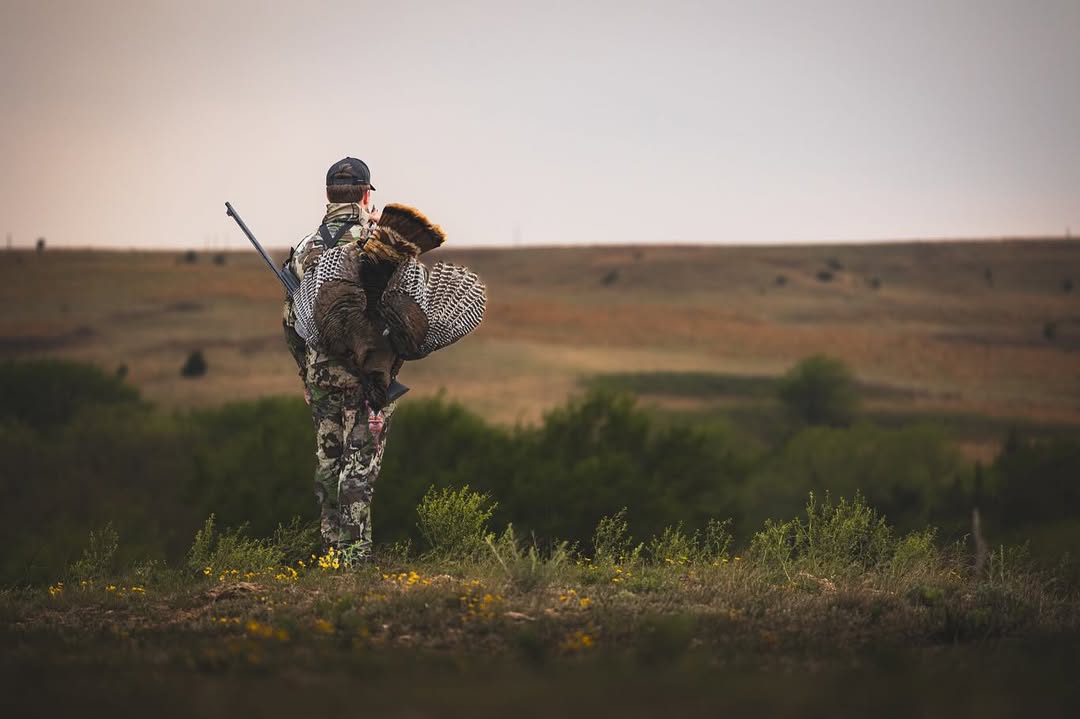
For many turkey hunters, the moments before sunrise are some of the most exciting of the entire season. In the darkness of early morning, the woods are quiet, and every distant gobble echoes clearly across ridges, creek bottoms, and timber flats. Locating a gobbler on the roost before daylight can give a hunter a huge advantage—but it must be done carefully.
Turkeys have incredibly sharp eyesight and strong instincts for danger. Moving too aggressively or making too much noise in the pre-dawn woods can easily alert birds and ruin the hunt before it even begins. Learning how to locate gobblers without spooking them is a key skill that experienced spring hunters develop over time.
With the right approach, patience, and understanding of turkey behavior, hunters can pinpoint roosted birds and set up for a successful hunt while keeping the woods calm and natural.
Understand Where Turkeys Prefer to Roost
Before attempting to locate gobblers in the dark, it helps to understand the types of areas turkeys typically choose for roosting.
Wild turkeys prefer roost sites that provide both safety and good visibility. These locations allow them to detect predators while also offering easy flight paths when they leave the trees at dawn.
Common roost locations include:
- Large mature hardwood trees
- Ridges overlooking valleys or creeks
- Timber edges near open feeding areas
- River or creek bottoms with tall trees
- Hillsides that catch the first morning sunlight
Gobblers often return to the same general roosting areas night after night, especially if they feel safe there. Scouting these areas during the day can make early morning locating much easier.
Arrive Early and Move Slowly
One of the biggest mistakes hunters make is arriving too late and rushing into the woods. Turkeys often fly up to their roost trees well before dark the evening before, and they remain extremely alert during the early morning hours.
Arriving early gives hunters time to move quietly into position while the woods are still calm.
When approaching likely roost areas before sunrise:
- Walk slowly and carefully
- Avoid stepping on dry sticks or leaves
- Use a headlamp sparingly or with a red or green light
- Stop frequently to listen
The goal is to reach a listening location without alerting birds that may already be perched in nearby trees.
Use Natural Sounds to Trigger Shock Gobbles
Many experienced turkey hunters rely on locator calls to encourage gobblers to reveal their position before daylight. These sounds mimic natural noises that can trigger an instinctive response from a gobbler.
Common locator calls include:
- Owl hoots
- Crow calls
- Coyote howls
- Woodpecker sounds
Among these, owl hooting is especially effective in the pre-dawn darkness. The sound of an owl often causes roosted gobblers to answer with a sudden gobble.
The key is to use locator calls sparingly. Loud or repeated calling can make birds suspicious, especially if they hear it too close to their roost.
A single well-timed call followed by quiet listening is often enough.
Let Natural Gobbling Do the Work
Sometimes the best strategy is simply to listen.
As the sky begins to lighten and the woods start to wake up, gobblers often begin gobbling naturally from the roost. These early gobbles help establish dominance and attract hens.
By quietly waiting and listening, hunters can often determine exactly where birds are located without making any noise at all.
This approach is especially useful on calm mornings when sound travels clearly through the woods.
Patience during these moments can reveal valuable information about turkey movement patterns and roost locations.
Avoid Getting Too Close to the Roost
While it may be tempting to move close to a gobbling turkey, getting too near the roost can easily spook birds before the hunt even begins.
Turkeys have excellent eyesight, and even small movements can alert them in low light conditions.
A good rule is to stay at least 100 to 150 yards away from the roosted gobbler when setting up before daylight. This distance allows hunters to call and work the bird once it flies down without risking detection.
If a turkey spots movement or senses danger before fly-down, it may quietly glide away in another direction.
Giving the bird space increases the chance that it will move naturally after leaving the roost.
Pay Attention to Terrain and Sound
Sound behaves differently depending on terrain and weather conditions.
Gobbling may echo across valleys, bounce off hillsides, or seem closer than it actually is. Learning to interpret these sounds accurately takes experience.
Hunters can improve their accuracy by noting:
- The direction of ridges and valleys
- Wind direction
- How sound carries across open areas
Positioning yourself slightly above or level with a gobbler often makes it easier to judge distance and direction.
Understanding the landscape helps hunters locate birds without having to move too much.
Stay Still Once You Find a Gobbler
Once a gobbler has been located, the most important step is often to stop moving.
Many hunters ruin good setups by continuing to shift position after they already know where the bird is.
Instead, choose a nearby tree, sit down quietly, and prepare for the bird to fly down.
Turkeys often follow predictable patterns after leaving the roost. If the setup is good and the hunter remains still, the gobbler may naturally move within range.
Patience in this moment can make the difference between success and failure.
Use the Darkness to Your Advantage
The hours before sunrise provide a unique advantage for hunters. In low light, careful movement is harder for turkeys to detect, and natural sounds carry farther through the woods.
By moving slowly, minimizing noise, and relying on listening rather than excessive calling, hunters can locate birds without disturbing them.
This quiet approach keeps the woods natural and increases the chances that gobblers will behave normally once daylight arrives.
Setting the Stage for a Successful Hunt
Locating gobblers before sunrise is one of the most valuable skills in spring turkey hunting. Doing it correctly allows hunters to start the day with a clear plan and a well-positioned setup.
By understanding where turkeys roost, moving carefully through the dark woods, using locator calls sparingly, and maintaining a safe distance from the roost, hunters can gather important information without alerting birds.
When the first rays of sunlight reach the treetops and the woods begin to wake up, hunters who prepared quietly and patiently are often in the best position to experience one of spring hunting’s most exciting moments—the sound of a gobbler flying down and searching for the hen he thinks is waiting nearby.
