
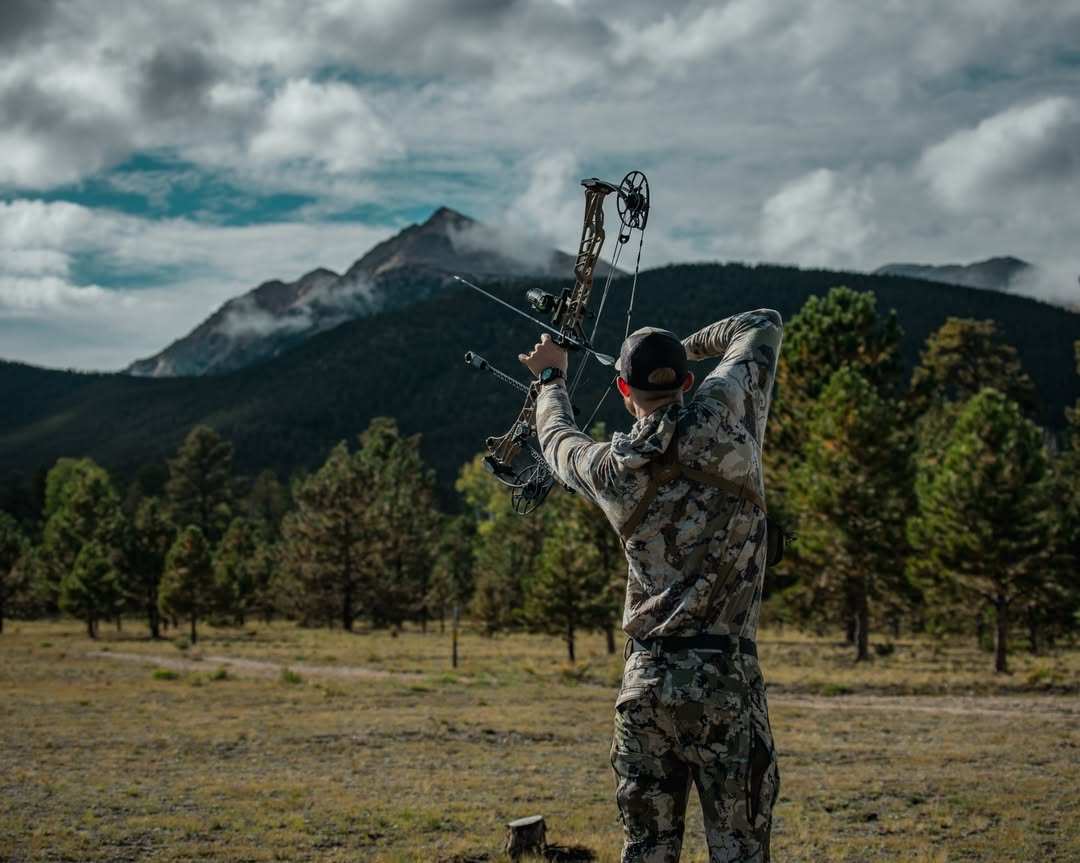
For many hunters, the key to consistent success isn’t simply finding where animals sleep or where they feed—it’s understanding how they travel between those two locations. Bedding-to-feeding routes are the daily highways wildlife use to move safely across the landscape. Whether you’re pursuing whitetail deer, scouting for other game species, or simply studying wildlife behavior, identifying these travel routes can dramatically improve your understanding of animal movement.
However, one of the biggest mistakes hunters make is disturbing the very animals they are trying to pattern. Aggressive scouting, careless entry routes, and excessive pressure can quickly push wildlife into new patterns, making them far more difficult to locate when the season arrives.
Learning how to identify bedding-to-feeding routes without disturbing wildlife allows hunters and land managers to gather valuable information while keeping the environment calm and natural. The goal is simple: observe and interpret the landscape without becoming part of the problem.
Understanding Bedding and Feeding Behavior
Before identifying travel routes, it’s important to understand why animals move the way they do.
Most wildlife species follow a predictable daily routine built around two primary needs: security and food. Bedding areas provide protection and rest, while feeding areas supply the calories animals need to survive.
For species like whitetail deer, this pattern often looks like this:
- Morning: Return to bedding cover after feeding overnight
- Midday: Remain in secure bedding areas
- Afternoon: Begin moving toward feeding areas
- Night: Actively feed across food sources
Because animals move between these two critical locations every day, their travel routes become well-established over time.
These routes are rarely random. Wildlife tends to select paths that offer safety, cover, and efficient travel.
Why Bedding-to-Feeding Routes Matter to Hunters
Many hunters focus heavily on food sources or bedding areas alone. While these locations are important, they often come with challenges.
Hunting too close to bedding areas can easily spook animals and push them into new territory. Hunting directly on food sources often means waiting until after dark when animals feel safe enough to appear.
Travel routes, however, provide a valuable middle ground.
Animals typically move along these routes during legal shooting hours, especially in the early morning and late afternoon. By identifying these paths, hunters can intercept wildlife naturally moving between key locations.
Even better, hunting along travel routes allows hunters to remain far enough away from sensitive bedding areas, reducing the risk of disturbance.
Look for Terrain That Naturally Funnels Movement
One of the most reliable ways to identify bedding-to-feeding routes is to study the terrain itself.
Wildlife rarely travels across open landscapes in straight lines. Instead, animals prefer routes that provide cover and conserve energy.
Common terrain features that funnel movement include:
- Ridge saddles where animals cross between hills
- Benches along slopes that create easier walking paths
- Creek crossings where water barriers limit travel options
- Narrow timber strips connecting bedding cover to feeding areas
- Edges where two habitat types meet
These natural features guide wildlife movement much like roads guide vehicles. When bedding areas and food sources exist on opposite sides of these features, animals often follow the same paths repeatedly.
By identifying these funnels, you can predict likely travel routes without entering bedding cover or disturbing feeding areas.
Study Existing Animal Trails
Another important clue is the presence of established wildlife trails.
Animals that travel the same routes regularly will eventually create visible paths. These trails often appear as narrow, worn strips of soil or flattened vegetation winding through the woods.
Signs of active travel routes include:
- Packed dirt or flattened leaves
- Tracks in soft soil or mud
- Hair caught on fence wires or branches
- Droppings along the trail
- Multiple trails converging in one location
Pay attention to how trails move through the landscape. Many routes will connect thick bedding cover to open feeding areas, often passing through terrain funnels along the way.
The most valuable travel routes are often secondary trails slightly away from the most obvious paths, especially those used by mature animals seeking security.
Identify Edge Transitions
Wildlife frequently travels along habitat edges, where two types of cover meet.
These edges might include:
- Timber meeting open fields
- Thick brush bordering pasture
- Young forest growth transitioning into mature woods
- Wetlands connecting with dry upland areas
Edges provide animals with both security and visibility. They can move along these transition zones while staying close to protective cover.
Travel routes along edges often serve as hidden corridors, allowing wildlife to move safely between bedding and feeding locations without exposing themselves in open areas.
Observing these edge patterns from a distance can reveal how animals navigate the property.
Scout During Low-Impact Seasons
One of the best ways to identify bedding-to-feeding routes without disturbing wildlife is to conduct your scouting during times when animals are less sensitive to human presence.
Early spring, after the hunting season ends, is often ideal.
During this period:
- Hunting pressure is gone
- Vegetation has not yet grown thick
- Trails and sign from the previous season remain visible
This allows hunters to study travel patterns without affecting animals during critical hunting periods.
Additionally, scouting during the off-season gives the woods time to return to normal before hunting resumes.
Use Observation Instead of Intrusion
Not all scouting needs to involve walking through the woods.
In fact, some of the most effective scouting methods rely on long-distance observation.
From elevated points such as ridges, field edges, or hilltops, hunters can watch how animals enter and exit feeding areas during evening hours.
This approach allows you to:
- Identify entry routes into fields
- Observe the direction animals travel when leaving food sources
- Detect consistent movement patterns
Over time, these observations help reveal the general paths animals use without ever stepping into their core areas.
Pay Attention to Wind and Access Routes
Wildlife relies heavily on scent detection to identify danger. If your scouting routes carry human scent directly into bedding or feeding areas, animals may alter their movement patterns.
To reduce disturbance:
- Always approach from downwind locations
- Avoid walking directly through feeding areas
- Stay along field edges or terrain features that conceal movement
- Use existing paths such as farm roads or logging trails
Planning careful access routes helps ensure your scouting activities remain low-impact and unnoticed by wildlife.
Technology Can Help—but Shouldn’t Replace Observation
Trail cameras can be useful tools for identifying travel routes when used strategically.
Placing cameras along trail intersections, funnel points, or field entry routes can reveal valuable movement patterns.
However, cameras should be used sparingly and checked infrequently to avoid excessive disturbance. Ideally, cameras should be placed during off-season scouting trips so animals have time to adjust before hunting begins.
The most successful hunters combine technology with traditional woodsmanship, using cameras to confirm what the landscape already suggests.
Focus on Patterns, Not Just Individual Trails
It’s important to remember that wildlife movement is rarely limited to a single trail.
Instead, animals often use a network of routes connecting bedding cover to feeding areas. These routes may shift slightly based on wind direction, weather conditions, and hunting pressure.
By studying the broader pattern of movement—terrain funnels, habitat edges, and trail clusters—you gain a more reliable understanding of how animals navigate the landscape.
This larger perspective helps hunters remain flexible when conditions change.
Final Thoughts
Identifying bedding-to-feeding routes is one of the most valuable skills any hunter or wildlife observer can develop. These routes represent the daily pathways animals rely on to move safely between security and food.
The key, however, is learning how to gather this information without disturbing wildlife or altering their behavior.
By focusing on terrain funnels, studying trail patterns, observing habitat edges, and scouting during low-pressure seasons, hunters can uncover these hidden travel corridors while keeping wildlife calm and undisturbed.
In the end, the most successful hunters are often the ones who understand that effective scouting isn’t about invading the woods—it’s about reading the landscape and letting the signs tell the story.
