
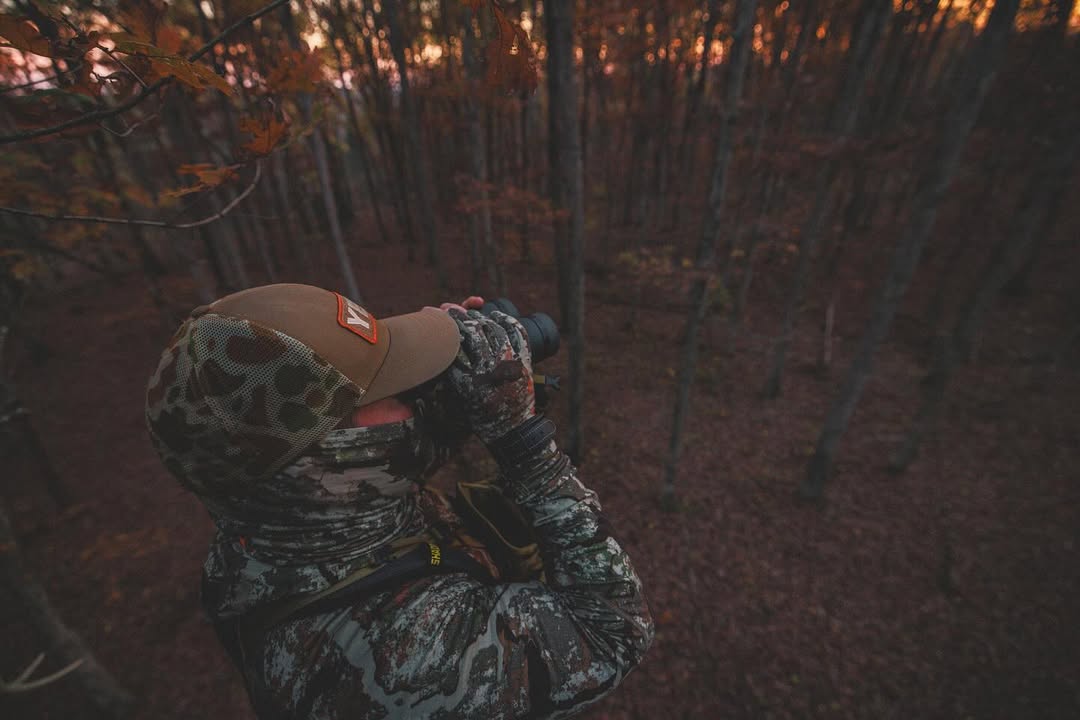
For many hunters, the end of deer season signals a break from the woods. Tree stands come down, gear is stored away, and attention shifts to other outdoor activities. However, experienced hunters understand that the work that leads to fall success often begins months earlier—during early spring scouting.
Early spring offers a unique window to study the landscape before thick vegetation returns. With leaf cover still minimal and last season’s sign still visible, hunters can gather valuable information about deer behavior, travel routes, and bedding areas. When these observations are properly recorded and analyzed, they can dramatically improve your chances of success during the next hunting season.
In this guide, we’ll explore how early spring scouting can be transformed into a strategic advantage for fall hunting, and how careful observation now can lead to better stand placement, smarter hunting strategies, and more consistent encounters with mature bucks.
Why Early Spring Is One of the Best Scouting Periods
Early spring sits at a unique point in the annual deer cycle. The chaos of the rut has passed, hunting pressure has disappeared, and deer have settled into predictable survival patterns.
During this time, several factors make scouting especially productive:
- Minimal foliage improves visibility throughout the woods
- Winter deer sign remains fresh and visible
- Reduced human pressure allows natural movement patterns to reappear
- Tracks and trails are easier to detect in soft ground
Because deer are focused on food and safety during late winter and early spring, their movement becomes more consistent. This makes it easier to identify core travel routes and preferred bedding locations.
Reading Last Season’s Sign Before It Disappears
One of the biggest advantages of early spring scouting is the ability to examine leftover sign from the previous hunting season. These clues can reveal how deer moved across the landscape when hunting pressure was highest.
Some of the most valuable types of sign to look for include:
Rub Lines
Rub lines often remain visible long after the rut ends. These marks on trees frequently follow travel corridors used by mature bucks. When multiple rubs appear along a consistent path, it often indicates a primary buck travel route.
Hunters should mark these areas on maps or GPS apps, especially where rub lines intersect terrain funnels or trail intersections.
Scrape Locations
Although scrapes are most active during the rut, the locations themselves often remain important year after year. Finding clusters of old scrapes can help identify communication hubs where bucks regularly check scent during the fall.
These areas can become highly productive stand locations when the rut returns.
Trails and Track Patterns
Well-used trails are easier to spot before spring vegetation grows. Look for:
- Deeply worn paths through leaf litter
- Tracks concentrated along ridge lines
- Trails connecting bedding cover to food sources
Trails that show consistent winter usage often remain important travel routes during early fall.
Identifying Bedding Areas Without Disturbing Deer
Early spring is also an excellent time to identify deer bedding areas. Bedding sites often become easier to recognize when the forest floor is exposed and vegetation is thin.
Common bedding locations include:
- South-facing slopes that receive sunlight
- Thick brush or conifer cover
- Elevated terrain with good visibility
- Areas protected from prevailing winds
When scouting bedding areas, it’s important to observe carefully without causing excessive disturbance. Avoid repeatedly walking directly through bedding zones, as deer may still be using them during late winter.
Instead, focus on identifying exit trails and travel routes leading away from bedding cover.
Using Terrain to Predict Deer Movement
One of the most valuable lessons early spring scouting can provide is how deer interact with terrain. Mature bucks rarely move randomly; they prefer routes that offer both security and efficiency.
Some terrain features that consistently influence deer movement include:
- Ridge saddles, where deer cross between hills
- Benches, which provide easy travel along steep hillsides
- Creek crossings, where deer move between cover areas
- Edge transitions, where thick cover meets open timber or fields
When multiple deer trails converge at these terrain features, the location often becomes an ideal spot for stand placement.
Locating Natural Funnels
Funnels are areas where landscape features naturally concentrate deer movement. These spots force deer to pass through a narrow corridor, making them extremely effective ambush locations.
Examples of natural funnels include:
- Narrow strips of timber between open fields
- Gaps between steep hillsides
- Land bridges between water bodies
- Fence crossings in agricultural areas
Early spring is the perfect time to identify these funnels because trails are easier to see and vegetation has not yet grown thick enough to hide them.
Planning Stand Locations Months in Advance
One of the biggest advantages of scouting early in the year is the opportunity to prepare hunting setups long before the season begins.
Once promising travel routes or funnels are identified, hunters can begin planning stand locations by considering:
- Wind direction during typical fall weather patterns
- Quiet access routes that avoid crossing deer trails
- Natural cover that helps conceal movement
- Shooting lanes that may need to be cleared
Preparing these setups months in advance reduces disturbance later in the year, when deer are more sensitive to human pressure.
Recording and Mapping Your Observations
Successful hunters treat scouting like a long-term research project. Simply noticing deer sign is helpful, but documenting your findings is what turns scouting into strategy.
Many hunters use mapping tools or GPS apps to mark important features such as:
- Bedding areas
- Trail intersections
- Rub lines
- Funnel locations
- Potential stand trees
Over time, these maps reveal patterns that might not be obvious during a single scouting trip.
The more detailed your records become, the easier it is to predict where deer will travel once hunting season begins again.
Understanding Seasonal Behavior Shifts
While early spring sign provides valuable clues, hunters must also consider how deer behavior changes throughout the year.
Food sources shift dramatically between spring and fall. Agricultural crops grow, acorns drop, and natural browse becomes more abundant. These changes can influence how deer move across the landscape.
However, one thing tends to remain consistent: terrain-based travel routes and security cover.
Even as food sources change, deer often continue using the same ridges, funnels, and bedding areas that provide safety and efficient travel.
This is why early spring scouting remains such a powerful tool for predicting fall hunting success.
Avoiding Common Early Scouting Mistakes
While early spring scouting offers valuable insights, hunters should avoid several common mistakes:
Over-scouting sensitive areas
Repeatedly walking through bedding zones can push deer out of the area.
Ignoring wind direction
Access routes that seem convenient in spring may be impossible to hunt when fall winds are considered.
Focusing only on food sources
Food changes throughout the year, but terrain features remain consistent.
By approaching scouting with a strategic mindset, hunters can gather useful information without negatively impacting deer behavior.
Turning Knowledge Into Fall Success
When opening day arrives, hunters who invested time in early spring scouting often have a clear advantage. Instead of guessing where deer might travel, they already understand:
- The main travel corridors
- Key bedding locations
- Natural funnels that concentrate movement
- Stand sites that allow for quiet access and favorable wind
This preparation leads to more confident stand placement and more productive hunts.
Rather than reacting to deer movement during the season, these hunters are already positioned where deer naturally want to travel.
Final Thoughts
Early spring scouting is one of the most overlooked opportunities in the hunting calendar. With minimal foliage, visible deer sign, and reduced pressure in the woods, this time of year offers a clear look at the patterns that guide deer movement.
By studying trails, terrain features, bedding areas, and late-season sign, hunters can build a detailed understanding of how deer use the landscape.
When that knowledge is carefully recorded and applied, it transforms early scouting trips into a strategic foundation for consistent fall hunting success.
For hunters willing to step into the woods long before the next season begins, early spring scouting can provide the insights that lead to their best hunts of the year.
