
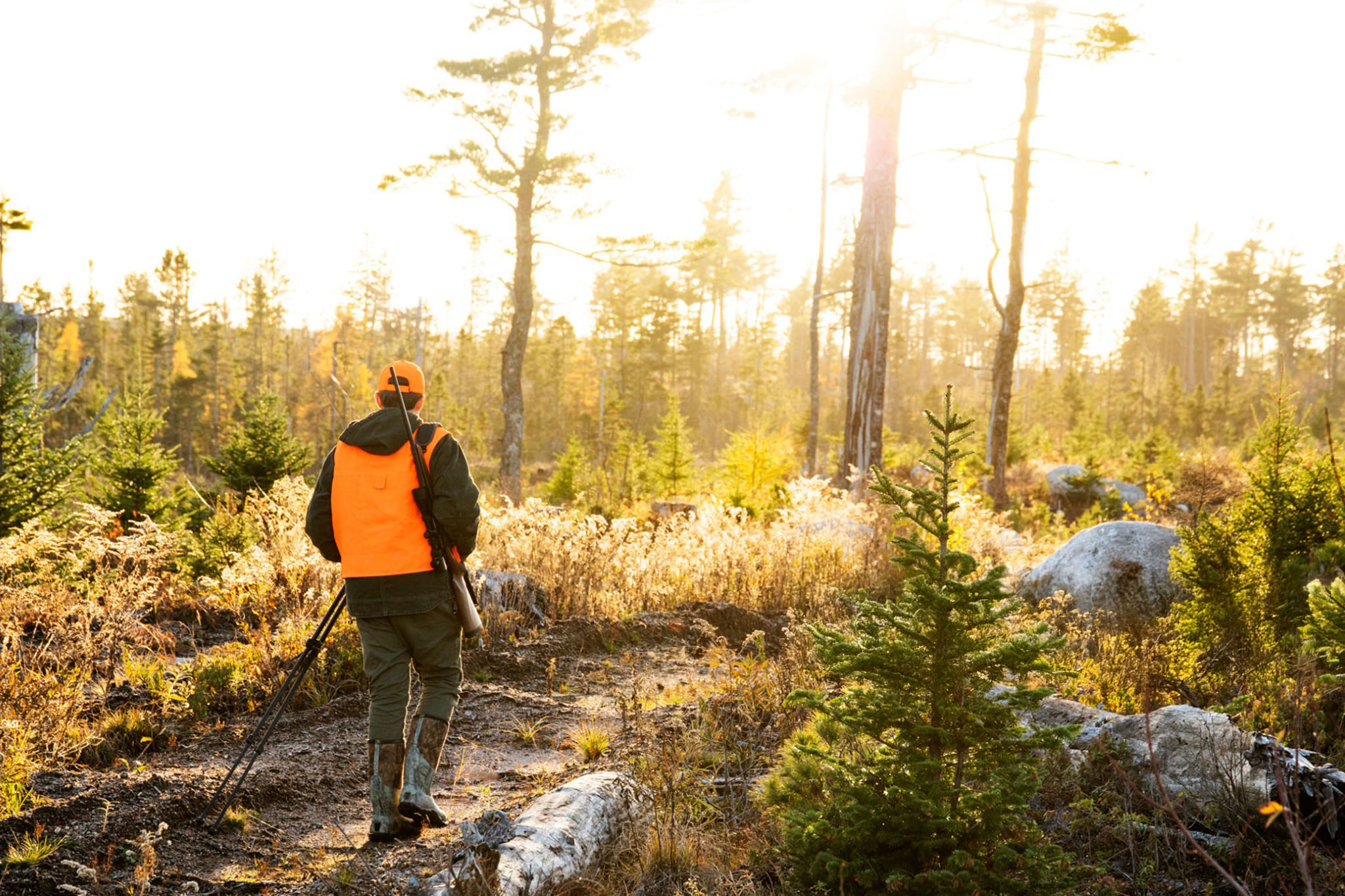
Many hunters believe that once deer season ends, the most valuable information about deer movement disappears with it. In reality, the opposite is often true. Late-season deer sign can provide some of the clearest clues about where mature bucks prefer to travel, feed, and bed. When studied correctly, these signs can help hunters identify highly effective stand locations for the following fall.
Late winter and early spring offer a unique scouting window when the woods are quiet, the pressure is gone, and deer movement patterns are still visible on the landscape. For hunters willing to spend time in the field during this period, late-season sign can reveal travel corridors, staging areas, and bedding locations that are often difficult to recognize during the hunting season.
In this article, we’ll explore how to interpret late-season deer sign and use it to predict productive stand locations for the next fall hunting season.
Why Late-Season Sign Is So Valuable
During the peak of hunting season, deer movement patterns can be unpredictable. Hunting pressure, changing weather, and the rut often cause bucks to travel widely and behave erratically. This makes it difficult to identify their consistent travel routes.
However, once the rut ends and winter settles in, deer shift into survival mode. Their priorities become simple:
- Conserve energy
- Stay safe from predators
- Access reliable food sources
Because of this, deer movement becomes more predictable and concentrated during the late season. They tend to follow the same routes repeatedly between bedding cover and food, creating clear trails and sign.
These late-season patterns often reappear during early fall, making them extremely useful for predicting stand locations months in advance.
Trails That Reveal High-Probability Stand Sites
One of the most obvious forms of late-season sign is well-defined deer trails. When deer repeatedly travel the same routes during winter, these trails become deeply worn and easy to identify.
While walking these trails, hunters should look for places where multiple paths intersect or narrow into a funnel. These locations often indicate natural movement bottlenecks, which are ideal locations for stand placement.
Pay close attention to areas such as:
- Ridge saddles
- Narrow timber corridors
- Fence crossings
- Creek crossings
- Edges between thick cover and open woods
These terrain features naturally guide deer movement, making them excellent locations for stand setups during the fall hunting season.
Feeding Patterns Reveal Fall Entry Routes
Late-season feeding areas often attract deer consistently throughout winter. Agricultural fields, standing crops, and natural browse areas become critical food sources during this time.
By identifying the trails deer use to approach these feeding areas, hunters can locate entry and exit routes that may remain active during early fall.
Look for signs such as:
- Heavy tracks leading toward food sources
- Concentrated droppings near feeding areas
- Multiple trails converging at field edges
- Trails entering cover before reaching open areas
These locations often serve as staging areas, where deer gather before entering feeding areas under low-light conditions. Staging areas can become highly productive stand sites during the early part of the hunting season.
Bedding Areas Show the Direction of Daily Movement
Late-season bedding areas are another important piece of the puzzle when predicting future stand locations. Deer choose bedding sites carefully during winter, selecting locations that provide security, warmth, and visibility.
Common late-season bedding features include:
- South-facing slopes that receive sunlight
- Thick brush or cedar cover
- Hillsides protected from prevailing winds
- Elevated terrain that allows deer to detect danger
By identifying these bedding locations, hunters can determine the direction deer travel when leaving or returning to their beds.
Travel routes leading out of bedding areas toward food sources often become prime ambush locations during the fall season.
Rub Lines That Indicate Travel Corridors
Although the rut has ended by late winter, rub lines from the previous fall often remain visible. These rubs are valuable because they frequently occur along primary travel routes used by mature bucks.
When multiple rubs appear along a consistent path, they may indicate a travel corridor that bucks use regularly between bedding and feeding areas.
Hunters should mark these locations carefully and look for spots where the rub line intersects with:
- Terrain funnels
- Trail intersections
- Natural obstacles that direct movement
These intersections often become high-impact stand locations during future hunting seasons.
Tracks and Mud Patterns Reveal Movement Timing
Late winter often brings wet soil and muddy conditions, which help preserve deer tracks. These tracks can provide clues about how deer move through an area and which routes they prefer.
Fresh tracks that appear repeatedly in the same areas may indicate heavily used travel corridors. In particular, large tracks with wide spacing between steps may signal the presence of a mature buck.
Hunters should look for:
- Parallel tracks along ridges
- Tracks crossing creeks at shallow points
- Tracks that follow the downwind side of terrain features
These patterns can reveal the safest routes deer use to navigate the landscape, which can later guide stand placement.
Using Terrain to Predict Future Movement
Deer rarely travel randomly. Instead, they use terrain features that provide security and efficient movement.
Late-season scouting allows hunters to observe how deer interact with these features, including:
- Ridge lines that provide elevation advantage
- Benches along hillsides that create easy travel paths
- Thick edges where cover meets open woods
- Natural funnels formed by steep slopes or water
When deer consistently move through these terrain features during winter, there is a strong chance they will continue to use them during the fall hunting season.
Understanding how deer use terrain is one of the most reliable ways to predict future stand locations.
Planning Stand Locations Months in Advance
One of the greatest advantages of studying late-season deer sign is the ability to prepare stand locations long before the hunting season begins.
After identifying promising travel routes and funnels, hunters can:
- Select trees for future stand placement
- Clear shooting lanes early
- Plan quiet entry routes
- Avoid disturbing deer close to the season
Preparing these setups months in advance helps reduce human impact on the area before fall.
Many successful hunters credit their best stand locations to scouting trips made months earlier during late winter or early spring.
The Importance of Scouting Before Green-Up
Late-season deer sign remains visible only for a limited time. As spring vegetation begins to grow, many of the clues that reveal deer movement quickly disappear.
Tall grass, new leaves, and thick understory vegetation can hide trails, rub lines, and bedding areas that were easy to spot just weeks earlier.
For this reason, the period between late winter and early spring green-up is one of the most valuable scouting opportunities of the year.
Hunters who take advantage of this window often gain insights that can dramatically improve their success during the next hunting season.
Final Thoughts
Late-season deer sign offers a unique glimpse into the natural movement patterns of deer once the chaos of the rut and hunting pressure has passed. By studying trails, bedding areas, feeding routes, and terrain funnels during this time, hunters can identify the travel corridors that deer rely on most.
These patterns often remain consistent year after year, making them incredibly useful for predicting next fall’s most productive stand locations.
For hunters willing to scout when others have packed away their gear, late-season sign provides an opportunity to build a deeper understanding of deer behavior—and to enter the next hunting season with a strategic advantage.
