
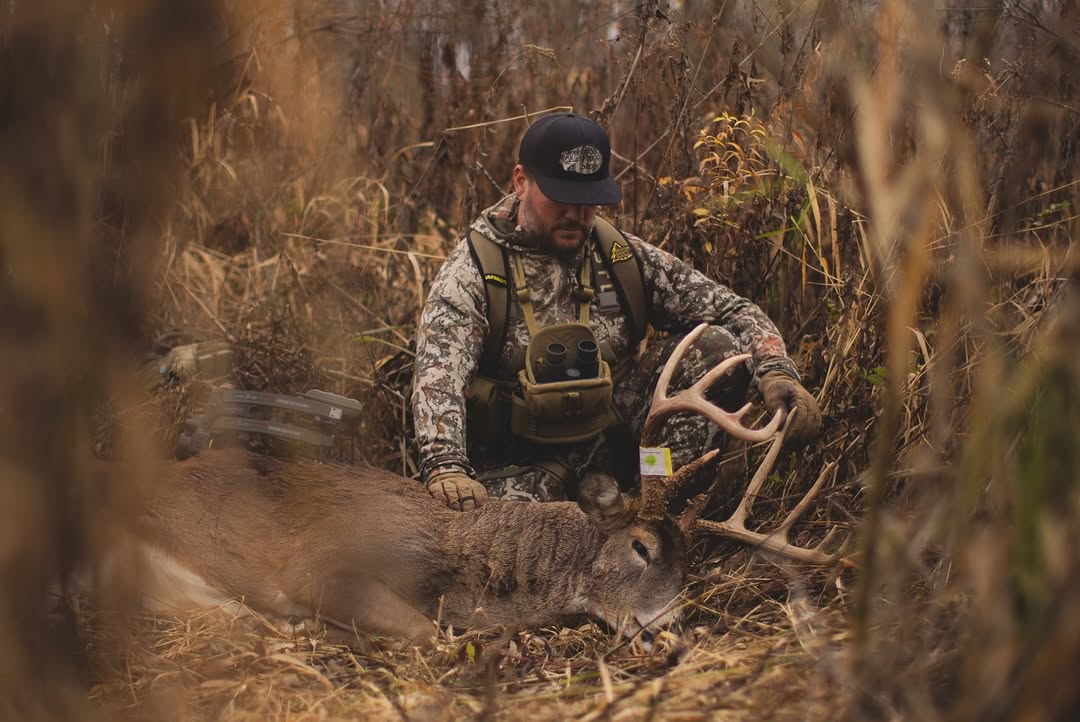
Late winter offers a short but powerful scouting window for serious whitetail hunters. Before spring vegetation explodes and ground cover thickens, the woods are open, visibility is high, and deer sign is still fresh from months of concentrated cold-weather movement.
If you want to understand how deer truly use your property — especially mature bucks — now is the time to read late-season bedding areas.
Once green-up hits, that sign fades fast.
Here’s how to break down late-season bedding areas before spring growth hides the details that matter most.
Why Late-Season Bedding Areas Matter
During late season, deer behavior shifts into survival mode. Food sources are limited. Hunting pressure has altered travel patterns. Thermal cover becomes critical. Mature bucks prioritize:
- Security
- Wind advantage
- Solar warmth
- Proximity to late-season food
Because foliage is minimal this time of year, bedding areas are easier to identify and analyze. The sign left behind tells a detailed story — if you know how to read it.
Start With South-Facing Slopes
In much of the U.S., especially across the Midwest, Northeast, and Appalachian regions, south- and southwest-facing slopes are prime late-season bedding zones.
These areas provide:
- Increased sunlight exposure
- Warmer ground temperatures
- Earlier snow melt
- Thermal relief during cold spells
Look for beds tucked just below ridge tops where deer can:
- Catch thermals rising from below
- Monitor downwind approaches
- Maintain a visual advantage downhill
Mature bucks often position themselves where they can use both wind and terrain to detect danger.
Identify Multiple Bed Clusters
Late-season bedding areas frequently show grouped beds, especially in high-density deer areas or during extreme cold.
Pay attention to:
- The size of beds (larger beds often indicate mature bucks)
- Orientation of beds relative to wind
- Spacing between individual beds
- Hair, droppings, and compressed leaf litter
A single isolated bed with heavy rub activity nearby may indicate a dominant buck’s preferred location.
Clusters of smaller beds often suggest doe family groups.
Analyze Wind Strategy
Wind direction is one of the most revealing factors in bedding location.
Ask yourself:
- What wind would make this bed ideal?
- Does the terrain create a wind swirl or thermal advantage?
- Is there a natural barrier behind the bed?
Late-season deer rely heavily on wind positioning because vegetation no longer provides visual concealment.
If a bed sits just off the military crest of a ridge, it likely allowed the deer to:
- Smell danger from behind
- Watch downhill travel corridors
- Escape over the ridge if pressured
Understanding wind strategy now helps you plan stand access routes for next fall.
Look for Edge Security Cover
Late-season bedding areas often shift toward the thickest remaining cover.
This may include:
- Cutover timber
- Young clearcuts
- Cedar thickets
- Switchgrass fields
- CRP edges
- Downed treetops
Without spring foliage, these areas stand out clearly.
Walk the perimeter rather than pushing directly into the thickest section. The goal is to observe patterns without conditioning deer to intrusion before next season.
Pay Attention to Exit Routes
Bedding areas mean nothing without understanding how deer leave them.
Look for:
- Well-worn trails exiting downwind sides
- Tracks leading toward late-season food sources
- Subtle terrain benches
- Creek crossings used as concealed travel
Late winter sign is still visible in leaf litter and mud. Once spring rains hit and vegetation fills in, those trails become harder to trace.
Mapping exit routes now can reveal next season’s ambush opportunities.
Note Rub and Scrape Activity Near Beds
Even post-rut, mature bucks may leave rubs near bedding areas.
While scraping activity slows late season, rub clusters near bedding zones often indicate:
- Core area security
- Dominant buck territory
- Repeated use over multiple seasons
If you consistently find large rubs within 100 yards of bedding cover, you may have identified a long-term buck stronghold.
Understand Seasonal Shifts
Not all late-season bedding areas remain primary bedding zones during early fall.
However, many mature bucks return to similar terrain features year after year — especially those that provide wind and thermal advantages.
Your goal during late winter scouting is not just identifying where deer bed now, but understanding:
- Why they chose that location
- What terrain advantages exist
- How hunting pressure influenced positioning
That knowledge carries forward into preseason planning.
Use Low-Impact Scouting Techniques
Because you are scouting during a recovery period for deer, minimize disturbance.
Best practices include:
- Scouting midday
- Avoiding repeated intrusion
- Staying off primary trails
- Wearing rubber boots to limit scent
- Using mapping apps to mark findings immediately
The objective is to gather information without shifting deer patterns before antler growth season begins.
Common Mistakes Hunters Make
- Assuming all beds are equal
- Ignoring wind direction
- Overlooking small terrain features
- Scouting too aggressively in core areas
- Waiting until spring foliage blocks visibility
Late winter offers unmatched clarity in the woods — don’t waste it.
Turning Bedding Intel Into Next Season Success
Once you’ve identified late-season bedding zones:
- Map them digitally.
- Identify likely early-season food transitions nearby.
- Plan access routes that avoid crossing primary exit trails.
- Evaluate potential stand trees while visibility is high.
This preparation allows you to enter next fall with a strategic advantage rather than guessing.
The Advantage of Bare Timber
Sparse late-winter woods expose:
- Micro terrain features
- Secondary trails
- Subtle bedding benches
- Rub lines hidden during summer
What looks like random forest in October becomes readable in February and March.
Hunters who invest time now often uncover the blueprint mature bucks use year after year.
Final Thoughts
Reading late-season bedding areas before spring vegetation hides them is one of the smartest off-season scouting strategies available to serious whitetail hunters.
Right now, the woods are transparent. Deer sign is visible. Travel patterns are fresh. Thermal bedding preferences are obvious.
In a few short weeks, green growth will conceal those clues.
Walk carefully. Study the terrain. Think about wind. Observe without overpressuring.
The insights you gather during this late winter window can shape your entire fall hunting strategy — long before the first leaf returns to the trees.
