
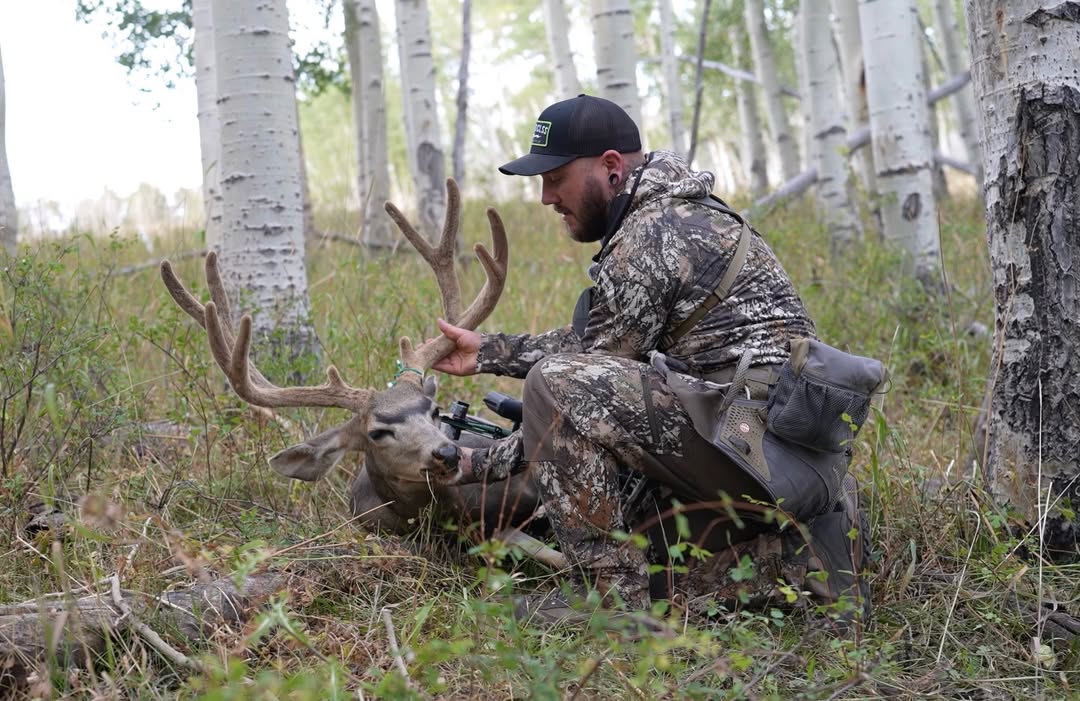
When hunting season ends and the woods finally go quiet, a unique opportunity opens up for serious whitetail hunters. With pressure gone and human activity reduced, mature bucks begin settling back into predictable patterns. This is one of the best times of year to locate late-season buck core areas — the zones they rely on for security, food, and survival.
Understanding where mature bucks concentrate after the pressure fades can provide invaluable insight for next fall. Here’s how to identify those core areas and turn off-season scouting into a long-term advantage.
What Is a Buck Core Area?
A buck’s core area is the small portion of his home range where he spends the majority of his time. While a buck’s overall range may span hundreds of acres, his core area might only be 50–100 acres — sometimes even less.
During peak hunting season, mature bucks may temporarily shift or expand their range due to pressure. But once the woods calm down in late winter, they often return to their most secure, energy-efficient zones.
Finding those areas now can reveal:
- Preferred bedding cover
- Reliable late-season food sources
- Consistent travel corridors
- Long-term security features
Why Late Winter Is Ideal for Identifying Core Areas
After months of hunting activity:
- Human intrusion drops dramatically
- Food sources are limited and concentrated
- Bucks prioritize recovery and calorie conservation
- Movement becomes survival-driven rather than rut-driven
Because behavior is less erratic, patterns are more honest. Mature bucks settle into predictable bedding and feeding routines that reflect true habitat preference.
Start With Winter Food Sources
In late season, food dictates movement.
Key food sources may include:
- Standing agricultural crops
- Winter wheat or rye
- Late-dropping mast
- Woody browse in thick cover
- Food plots still holding forage
Identify the highest-quality remaining food in the area. Then work backward toward likely bedding cover within a short, energy-efficient distance.
Mature bucks rarely travel farther than necessary in late winter.
Focus on Security Cover
Security becomes the top priority after the season ends. Core areas often contain:
- Thick CRP fields
- Overgrown clearcuts
- Regenerating timber
- Swamp edges
- South-facing thermal cover
- Cedar thickets or dense pines
These areas provide both concealment and protection from wind and harsh weather.
Look for locations with limited visibility from roads or human travel routes.
Identify Low-Pressure Zones
Mature bucks select core areas based on security first.
Consider:
- Distance from access roads
- Natural barriers such as creeks or steep terrain
- Areas difficult for casual hunters to reach
- Thick cover that discourages entry
If a location requires significant effort to access quietly, it’s often worth investigating.
Look for Concentrated Sign
Within potential core areas, look for clusters of:
- Larger tracks
- Heavier droppings
- Multiple beds in proximity
- Old rub lines from the previous fall
- Consistent trail use
While late winter sign may not be as dramatic as rut activity, it still reflects regular use.
The key is concentration. A few isolated tracks mean little. Repeated evidence within a tight area suggests core usage.
Analyze Bedding Locations Carefully
Late-season bedding areas often share common features:
- Elevated positions with visibility
- Wind advantage locations
- Southern exposure for warmth
- Thick cover within short distance of food
Observe entry and exit trails from bedding zones. These routes frequently reveal daylight movement patterns that could be useful during early archery season.
Avoid repeatedly walking through these areas — gather information without overdisturbing.
Use Trail Cameras Strategically
Post-season trail cameras can confirm suspicions.
Position cameras:
- On main travel corridors near food
- At entry points to thick cover
- Along terrain funnels inside suspected core zones
By monitoring during late winter and early spring, you can determine whether a mature buck is consistently using the area once pressure subsides.
Understand Seasonal Shifts
Keep in mind that late-season core areas may not be identical to early-season locations.
As spring green-up expands food availability:
- Bucks may shift slightly
- Travel distances may shorten
- Bedding locations may adjust
However, security cover preferences tend to remain consistent year after year.
Documenting winter core areas builds long-term understanding of mature buck behavior on your property.
Common Mistakes to Avoid
- Assuming rut sign equals core area
- Overvaluing random shed locations
- Over-scouting and causing unnecessary disturbance
- Ignoring access planning for next season
- Failing to consider prevailing wind patterns
Core area identification is about patterns, not isolated observations.
Turning Core Area Knowledge Into Fall Success
Once you’ve identified a likely late-season core area, ask:
- How does this area function during early bow season?
- Where are the downwind approach routes?
- What trees or ground setups allow undetected access?
- How can you hunt the edges without penetrating the core?
The best strategy often involves setting up just outside the core area boundary to avoid overpressuring it.
Mature bucks rarely tolerate intrusion deep inside their sanctuary.
Long-Term Benefits of Off-Season Core Mapping
Taking the time now to locate late-season buck core areas can:
- Improve stand placement decisions
- Reduce guesswork next fall
- Increase daylight encounter odds
- Help you protect key sanctuary zones
- Enhance overall property management
Hunters who understand where mature bucks truly feel secure hold a significant advantage when the season opens again.
Final Thoughts
Finding late-season buck core areas after the pressure is gone requires patience, observation, and restraint. The quiet woods of late winter reveal patterns that were hidden during peak hunting activity.
When the season ends, the scouting season begins.
Use this window wisely. Identify where mature bucks regroup, recover, and settle back into predictable routines. With that knowledge in hand, you’ll be better prepared to intercept them when fall returns.
