
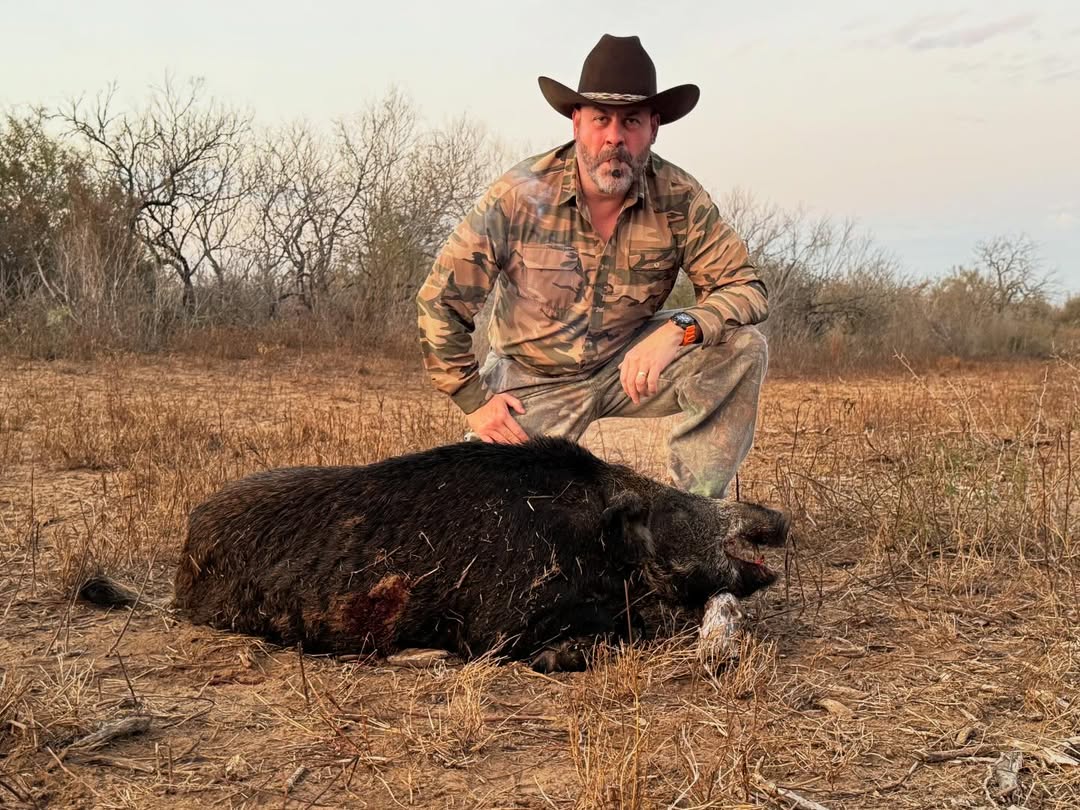
For hunters, early spring is one of the most valuable scouting periods of the year. Before leaves sprout, grasses grow, and brush thickens, the forest floor is bare and unobstructed, offering a unique window into how wildlife actually moves. Observing these early-season patterns can give hunters a huge advantage in planning stands, predicting travel corridors, and understanding animal behavior before vegetation hides critical clues.
This article explores how bare forest floors act as a natural “tracker’s canvas,” revealing hidden wildlife patterns that will shape fall hunting strategies.
Why Early Spring Forest Floors Are Perfect for Scouting
During late winter and early spring, several factors make wildlife movement highly visible:
- Lack of Vegetation – Without leaves, grass, or dense undergrowth, trails, bedding areas, and travel routes are exposed. Tracks, scrapes, and bedding depressions are easier to spot.
- Soil Softness – Wet, thawing soil captures footprints and hoof prints in detail, even after minimal wildlife traffic.
- Minimal Human Pressure – Early spring sees less hunting activity, meaning animals are moving naturally and leaving reliable signs of their true behavior.
- Energy-Conserving Movements – Deer, turkey, and other animals focus on low-energy paths during this transitional period, revealing the routes they will favor all year.
The combination of these factors provides hunters with clear, unaltered insights into wildlife routines.
How Tracks and Trails Tell the Full Story
Tracks are the most obvious clues on a bare forest floor. Beyond just footprints, the context of trails tells you about frequency, direction, and preferred terrain:
- Primary Trails: Wide, deep, frequently used paths show core travel routes between bedding and feeding areas.
- Secondary Trails: Narrow, less traveled paths indicate alternate routes or seasonal shortcuts.
- Trail Intersections: Where multiple trails converge often becomes an ideal stand location for intercepting wildlife.
- Ground Disturbance: Flattened vegetation, rubs, and subtle depressions reveal both bedding areas and frequent resting spots.
Tracking patterns during early spring can predict how deer or turkeys will use the landscape during the hunting season.
Recognizing Hidden Bedding Areas
Bare forest floors make it easier to locate hidden bedding areas:
- Flattened Leaves or Snow: Even small patches of compacted leaves or soft ground depressions indicate where animals bedded.
- Proximity to Water: Animals often bed within sight or scent of a water source while remaining hidden.
- Natural Cover: Logs, fallen trees, or brush piles become early-season shelters and potential bedding zones.
Identifying bedding locations now allows hunters to plan routes and stands that minimize disturbance later in the season.
Understanding Travel Corridors
Early spring exposure reveals natural travel corridors that animals use to conserve energy:
- Topography: Animals favor ridges, sidehills, and creek bottoms for low-effort movement.
- Forest Gaps: Small openings between dense timber often act as highways connecting feeding and bedding areas.
- Escape Routes: Bare floors expose paths leading to safe cover, showing how animals respond to potential threats.
Mapping these corridors in early spring helps hunters anticipate movement patterns long before hunting season begins.
Spotting Foraging Zones Early
Before green-up, wildlife forages on the leftover mast, buds, and early shoots:
- Acorn and Nut Concentrations: Look for heavily trafficked areas where mast from the previous fall remains.
- Fresh Browse: Deer often nibble the first shoots of buds or saplings—bare floors make it easy to spot these feeding depressions.
- Turkey Feeding Patterns: Scrapes and scratchings are more visible, revealing where turkeys search for insects or leftover seeds.
Understanding early foraging patterns can pinpoint the “entry points” for wildlife to feeding areas later in the season.
Why Early Spring Observations Predict Fall Behavior
The beauty of observing bare forest floors is that the patterns you see now often mirror fall behavior:
- Core travel routes rarely change: Terrain dictates low-energy pathways.
- Bedding and security areas remain consistent: Mature bucks, does, and hens favor the same safe spots year after year.
- Corridors and funnels become high-probability stand sites: Early identification lets hunters position themselves with confidence.
Even though food availability, cover, and weather change throughout the year, the underlying movement skeleton revealed in spring persists.
How to Use Bare Floor Observations for Hunting Success
- Map Key Areas: Note bedding spots, primary trails, and transition zones on a topographic map.
- Plan Stand Locations: Use trail intersections, funnels, and early foraging areas as potential stand sites.
- Minimize Disturbance: Scout only when necessary to preserve natural patterns.
- Mark Seasonal Hotspots: Identify places to check for rubs, scrapes, and sheds later in the year.
- Predict Multi-Species Patterns: Deer, turkey, and other wildlife often share corridors; early observations can benefit multiple hunts.
The more detailed your spring scouting, the less guesswork during fall.
Conclusion
Bare forest floors in early spring are like a tracker’s blueprint. They reveal hidden wildlife movement patterns that often vanish once vegetation returns. By observing tracks, trails, bedding areas, and foraging zones now, hunters can:
- Anticipate fall movement
- Identify high-probability stand locations
- Reduce in-season scouting pressure
- Build a hunting strategy grounded in natural behavior
Spring is not just a transitional season—it’s the key to understanding how wildlife truly interacts with your hunting area. Hunters who take advantage of bare forest floor insights enter fall with a strategic edge that most never achieve.
This article is fully optimized for SEO keywords such as:
- early spring wildlife movement
- deer trails
- turkey travel patterns
- bedding areas
- spring hunting scouting
