
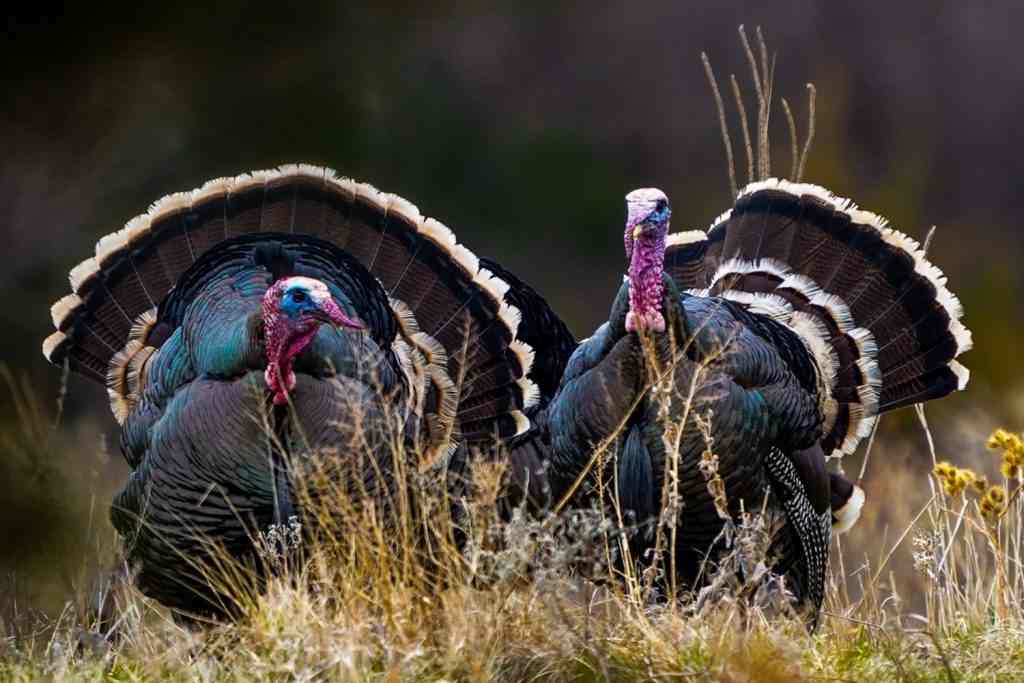
For serious turkey hunters, success in the spring doesn’t begin with calling—it begins with locating gobblers before they ever respond. Early spring, before peak breeding activity and consistent gobbling begins, is one of the most important times to understand where turkeys live, travel, and establish their daily routines. During this period, gobblers are quieter, more cautious, and more predictable in their movements. Hunters who learn how to locate birds during this phase gain a major advantage once the season opens.
This guide explains how to find gobblers before spring calling activity begins, using terrain, habitat, timing, and behavioral clues that reveal their location and movement patterns.
Why Gobblers Are Harder to Locate Early in Spring
Before breeding activity intensifies, gobblers are still transitioning out of winter survival mode. Their priorities shift from pure survival to territory establishment and breeding preparation, but they have not yet reached peak vocal activity.
Several factors reduce early-season gobbling:
- Cooler nighttime temperatures
- Limited daylight hours
- Reduced breeding competition
- Lower hormone levels compared to peak season
Gobblers may gobble occasionally on the roost, but often remain silent on the ground. This makes visual scouting and habitat analysis more important than relying on calls.
Understanding this quieter phase is key to locating birds before they become vocal.
Focus on Winter-to-Spring Transition Habitat
Turkeys do not immediately move into their full spring breeding territories. Instead, they gradually shift from winter flock areas into early spring transition zones.
These areas typically include:
- South-facing slopes
- Open hardwood ridges
- Field edges near timber
- Creek bottoms with open understory
- Areas with early green vegetation
South-facing slopes are especially important because they warm faster, encouraging insect activity and early plant growth. These areas attract turkeys looking to rebuild energy after winter.
Locate Roost Trees First
Roost sites are one of the most reliable indicators of gobbler presence.
Turkeys prefer roost trees that offer:
- Strong horizontal limbs
- Good visibility
- Easy flight access
- Protection from predators
Common roost tree types include:
- Mature oaks
- Cottonwoods
- Pines
- Sycamores
Roosts are often located near:
- Water sources
- Ridge edges
- Creek corridors
- Field transitions
Look for physical signs beneath roost trees, including droppings, feathers, and scratched ground.
Finding consistent roost locations provides a reliable starting point for understanding gobbler movement.
Listen at Dawn Without Calling
Even when gobblers are not actively responding to calls, they often gobble naturally at sunrise.
Position yourself before daylight in likely habitat areas and listen carefully.
Key listening locations include:
- Ridge tops
- Valley edges
- Field overlooks
Cold, calm mornings increase the chances of hearing gobbles, as sound travels farther.
Avoid calling during this phase. The goal is to locate birds without influencing their natural movement patterns.
Identify Feeding Areas Gobblers Use in Early Spring
Before breeding peaks, gobblers spend significant time feeding to rebuild body condition.
Early spring feeding areas include:
- Agricultural field edges
- Open pastures
- Logging roads
- Recently burned areas
- Areas with new green vegetation
Turkeys feed on:
- Insects
- Seeds
- Early plant shoots
- Leftover grain
Feeding sign includes:
- Scratching in leaves
- Tracks in mud
- Droppings
- Disturbed soil
These areas help identify where gobblers spend their mornings and afternoons.
Look for Tracks and Travel Routes
Turkey tracks provide valuable information about movement patterns.
Gobblers typically use predictable travel routes between roosting and feeding areas.
Look for tracks in:
- Mud along creeks
- Dirt roads
- Field edges
- Logging trails
Gobblers often follow terrain features such as ridges and gentle slopes, which allow efficient movement and visibility.
Consistent tracks indicate reliable travel corridors.
Use Elevation to Your Advantage
Gobblers prefer elevated terrain for visibility and safety.
Common early spring gobbler locations include:
- Ridge tops
- Upper slopes
- Elevated benches
These areas allow gobblers to detect predators and observe surroundings.
Elevated terrain also warms faster in the morning, attracting insects and encouraging feeding activity.
Understanding elevation preferences helps narrow search areas.
Observe Without Pressuring Birds
One of the biggest mistakes hunters make is applying too much pressure during early scouting.
Excessive disturbance can push gobblers into less predictable areas.
Instead:
- Observe from a distance
- Use binoculars to scan open areas
- Avoid walking directly through roost or feeding areas
The goal is to gather information without altering gobbler behavior.
This preserves natural movement patterns for future hunts.
Pay Attention to Late Afternoon Movement
Gobblers often move toward roost sites in the late afternoon.
Watching field edges, ridge lines, and open timber during this time can reveal gobbler locations.
Birds may feed briefly before moving toward roost trees.
Even without gobbling, visual sightings provide valuable location data.
Understand Flock Structure During Early Spring
Early in the season, gobblers may still travel in small bachelor groups.
These groups gradually break apart as breeding activity increases.
Finding one gobbler often means others are nearby.
As the season progresses, gobblers spread out and establish individual territories.
Locating groups early helps identify future breeding locations.
Weather Influences Gobbler Location
Weather conditions strongly influence turkey movement.
Gobblers prefer areas that provide warmth and comfort.
Look for birds in:
- Sun-exposed slopes on cold mornings
- Sheltered areas during wind
- Open feeding areas on calm days
Cold, wet weather may reduce movement, while warm, stable weather increases activity.
Monitoring weather patterns improves scouting effectiveness.
Midday Scouting Can Reveal Hidden Patterns
While early morning is important, midday scouting can also provide valuable insight.
Gobblers often loaf in shaded areas during midday.
Look for:
- Tracks in soft soil
- Dusting areas
- Droppings in sheltered locations
Dusting areas are especially important. Turkeys use these regularly to maintain feather health.
Finding dusting areas indicates frequent gobbler use.
Why Early Scouting Improves Hunting Success
Locating gobblers before peak calling activity allows hunters to:
- Identify consistent roost locations
- Understand daily travel routes
- Predict feeding areas
- Avoid unnecessary disturbance
This information makes future hunts more efficient and successful.
Instead of searching blindly, hunters can focus on proven locations.
How Gobbler Behavior Changes as Spring Progresses
As breeding activity increases, gobblers become more vocal and territorial.
However, their core areas often remain the same.
Early scouting helps identify these core zones before birds become pressured or unpredictable.
Hunters who understand early patterns can adapt as gobbler behavior evolves.
The Advantage of Finding Gobblers Before They Start Talking
Many hunters rely entirely on gobbling to locate birds, but this approach misses valuable opportunities.
Gobblers exist in predictable locations long before they become vocal.
Hunters who locate birds early gain critical insight into their routines, habitat preferences, and travel routes.
This knowledge creates a strong foundation for success when hunting season arrives.
Final Thoughts: Success Begins Before the First Gobble
Locating gobblers before spring calling activity begins is about observation, patience, and understanding turkey behavior. Early spring offers a rare opportunity to identify roost sites, feeding areas, and travel routes while birds remain predictable and undisturbed.
By focusing on habitat features, terrain advantages, feeding sign, and careful observation, hunters can locate gobblers even when they are silent. Those who invest time in early scouting enter the season with confidence, knowing exactly where birds live—and where opportunities are most likely to unfold.
