
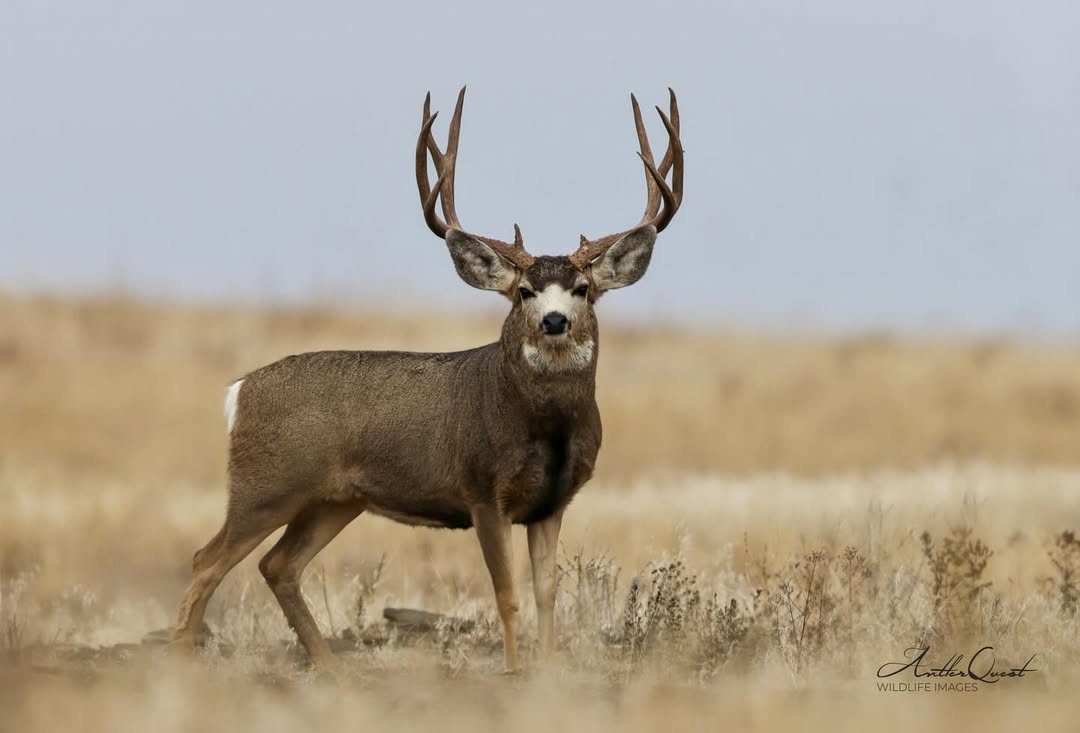
Understanding deer movement is less about isolated locations and more about the connections between them. While bedding areas and feeding areas receive most of the attention, the transition zones between them are often the most important—and most predictable—parts of a deer’s daily routine. These zones act as staging areas, security corridors, and behavioral checkpoints that deer rely on every day.
For hunters, land managers, and wildlife observers, identifying these transition zones provides a powerful advantage. These areas reveal how deer move, when they move, and why they choose specific routes across the landscape.
What Are Transition Zones?
Transition zones are the areas deer use while traveling between bedding areas and feeding locations. They are not the primary destination but serve as essential stepping stones along the route.
These areas allow deer to:
- Pause and assess safety
- Feed lightly before entering open feeding areas
- Move under cover
- Adjust movement timing based on light and pressure
Rather than moving directly from bedding to feeding in one continuous motion, deer often stage in transition zones for extended periods, especially during daylight hours.
This behavior makes transition zones highly consistent and predictable.
Why Deer Prefer Transition Zones for Movement
Deer are built for survival. Every movement decision balances three critical needs:
- Energy efficiency
- Safety
- Food access
Transition zones provide the perfect balance.
These areas typically offer:
- Adequate cover for concealment
- Access to secondary food sources
- Terrain that allows easy travel
- Visual awareness of surroundings
This combination allows deer to move confidently while minimizing risk.
The Role of Security Cover
Security cover is one of the defining characteristics of a good transition zone.
Common forms of security cover include:
- Brushy edges
- Young timber growth
- Tall grasses
- Shrub lines
- Regenerating clearcuts
Deer prefer areas where they can move without being exposed. Thick cover provides concealment while still allowing visibility.
Transition zones often exist where cover gradually thins—not fully exposed, but not completely closed either.
This balance allows deer to observe surroundings while remaining hidden.
Terrain Features That Create Natural Transition Zones
Terrain plays a major role in shaping deer movement. Deer naturally use landscape features that provide efficient travel and safety.
Key terrain transition features include:
Edge Lines
Edges between different habitat types create natural movement routes.
Examples include:
- Forest-to-field edges
- Timber-to-grass transitions
- Wetland edges
- Crop field boundaries
Edges provide both food and security.
Elevation Changes
Deer often use elevation shifts during travel.
Common examples include:
- Ridge sides
- Benches on slopes
- Gentle elevation transitions
These areas allow deer to move efficiently while maintaining visibility.
Saddles and Terrain Funnels
Saddles—low points between higher terrain—naturally funnel deer movement.
Deer prefer these routes because they require less energy than climbing over higher elevations.
Funnels concentrate movement into predictable paths.
Creek Crossings and Drainages
Water features often guide deer movement.
Deer frequently travel along:
- Creek banks
- Drainage lines
- Dry creek beds
These areas provide concealment and easy travel corridors.
Staging Areas: Where Deer Pause Before Feeding
One of the most important types of transition zones is the staging area.
These areas are located between bedding cover and primary feeding areas.
Deer use staging areas to:
- Wait for low-light conditions
- Feed lightly on nearby browse
- Assess safety before entering open areas
Staging areas often hold deer longer than expected, especially mature bucks.
These locations can reveal predictable evening movement patterns.
Early Spring Makes Transition Zones Easier to Identify
Early spring is one of the best times to locate transition zones because vegetation is still limited.
Without heavy foliage, observers can easily see:
- Well-worn trails
- Ground disturbance
- Hoof prints
- Droppings
- Flattened vegetation
This makes travel routes and staging areas more visible.
Spring conditions reveal the structure of deer movement more clearly than any other season.
Trail Density Reveals Transition Importance
One of the clearest indicators of a transition zone is trail convergence.
When multiple trails intersect or run parallel, it signals frequent use.
Look for:
- Multiple trail intersections
- Parallel trails along edges
- Consistent trail width and depth
These signs indicate high-confidence travel routes.
The more trails present, the more important the transition zone likely is.
Food Availability Shapes Transition Location
Transition zones often exist near secondary food sources.
Examples include:
- Early spring green growth
- Browse from shrubs and saplings
- Acorns or leftover mast
- Field edges with emerging vegetation
These food sources allow deer to feed gradually while traveling.
This slow feeding movement helps conserve energy.
Wind and Thermal Conditions Influence Movement
Deer use transition zones that allow them to monitor scent and wind direction.
Preferred transition areas often allow deer to:
- Travel with favorable wind direction
- Detect threats using scent
- Maintain visibility downwind
Terrain features that provide wind advantage are highly attractive.
This helps deer stay safe while moving between locations.
Timing of Transition Zone Use
Deer use transition zones most frequently during low-light periods.
Common movement times include:
- Early morning return to bedding
- Evening movement toward feeding areas
During early spring, deer may also use these zones during daylight due to reduced pressure and recovery needs.
Movement timing often becomes predictable.
Bucks and Does Use Transition Zones Differently
While both bucks and does use transition zones, their behavior can differ.
Does often move more directly between bedding and feeding areas.
Bucks, especially mature ones, tend to use thicker cover and spend more time in staging areas.
Bucks prioritize security more heavily, especially during daylight.
This results in more cautious and deliberate movement.
Transition Zones Remain Consistent Year After Year
One of the most important aspects of transition zones is their consistency.
Because they are shaped by terrain, cover, and food availability, these zones often remain stable over time.
Even as vegetation changes, underlying terrain continues to guide movement.
This makes transition zones valuable long-term observation areas.
How Seasonal Changes Affect Transition Zones
As vegetation grows later in spring and summer, transition zones become less visible—but they remain active.
Deer continue to use these routes because they provide efficient movement.
However, identifying them early makes it easier to understand long-term patterns.
Spring provides a rare window into these otherwise hidden travel corridors.
Why Transition Zones Are Critical to Understanding Deer Movement
Transition zones connect all essential deer resources.
They link:
- Bedding areas
- Feeding areas
- Water sources
- Security cover
Understanding these connections reveals how deer navigate their environment.
This knowledge provides insight into daily movement patterns and seasonal shifts.
Final Thoughts: Transition Zones Reveal the Hidden Structure of Deer Movement
While bedding and feeding areas define where deer spend their time, transition zones define how they move between them. These areas act as predictable pathways shaped by terrain, cover, safety, and food availability.
Early spring offers one of the best opportunities to locate and understand these transition zones. Reduced vegetation, visible trails, and recovery-driven movement expose the hidden travel corridors deer rely on throughout the year.
Those who learn to identify transition zones gain a deeper understanding of deer behavior—not just where deer are, but how and why they move.
