
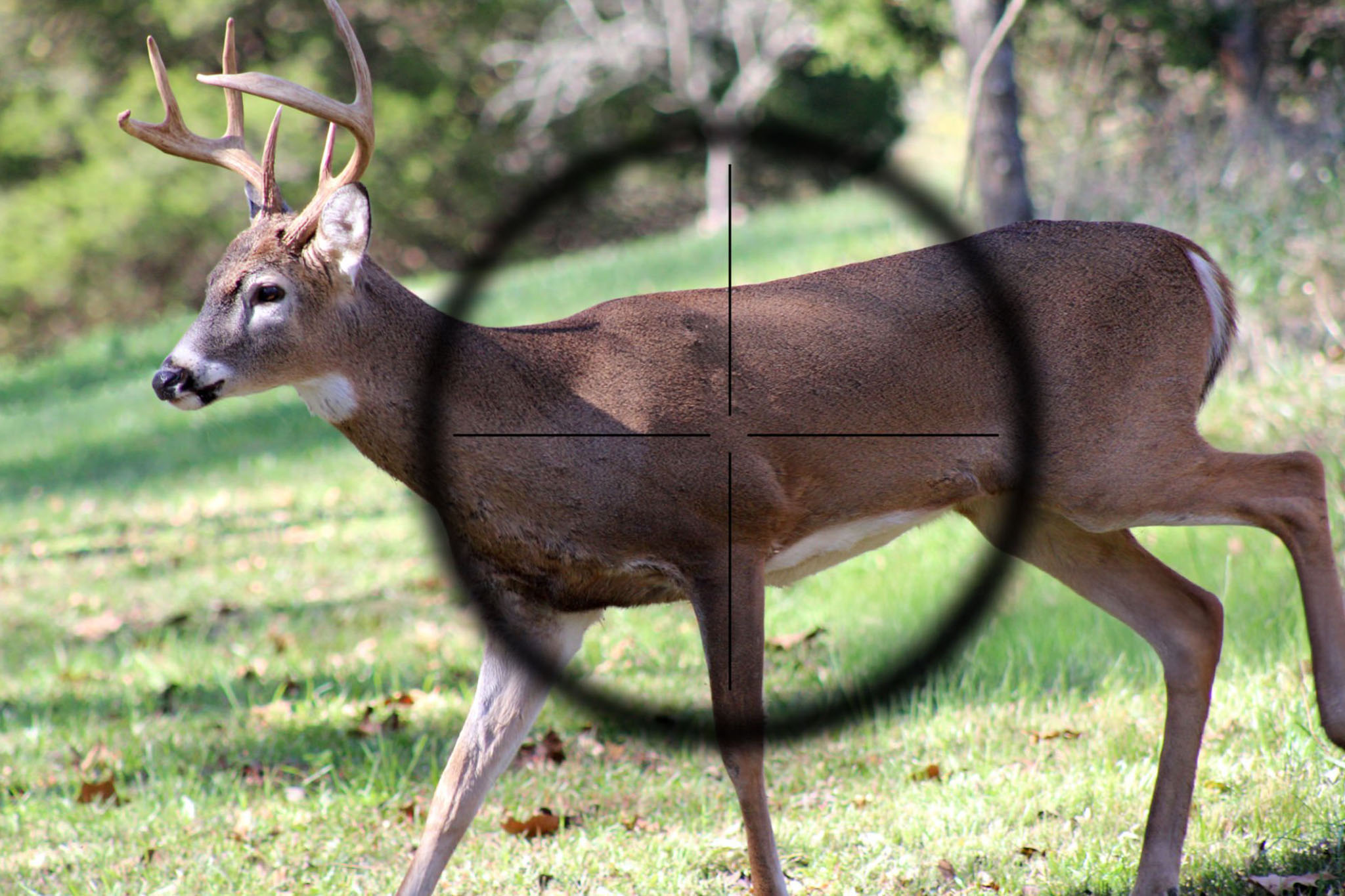
Early spring is one of the most valuable—and most overlooked—times of year for understanding deer movement. While fall gets most of the attention due to hunting season, spring quietly exposes the hidden structure of deer behavior. With reduced cover, shifting food sources, and recovering animals moving predictably across the landscape, early spring offers a rare window into patterns that are often invisible later in the year.
For hunters, land managers, and wildlife observers, this period provides critical insight into travel routes, bedding locations, feeding zones, and terrain preferences that shape deer movement year-round.
Reduced Vegetation Makes Movement Patterns Visible
One of the biggest advantages of early spring is visibility. Before grasses grow tall and trees fully leaf out, the landscape remains open and readable.
During this period, it becomes easier to identify:
- Well-used deer trails
- Bedding depressions
- Travel corridors
- Feeding areas
- Terrain funnels
In fall and summer, thick vegetation hides these features. In early spring, the structure of deer movement is clearly exposed.
This allows observers to see not just where deer move—but how they move through terrain.
Deer Are Focused on Recovery, Not Avoidance
During hunting season, deer movement is heavily influenced by human pressure. Deer often move at night, avoid open areas, and use unpredictable routes.
In early spring, hunting pressure is absent.
This causes deer to return to natural, energy-efficient movement patterns.
Instead of prioritizing avoidance, deer prioritize:
- Access to food
- Energy conservation
- Comfort
- Safety from natural predators
These natural priorities create more predictable movement patterns.
This period reveals the routes deer prefer when they are not pressured.
Food Sources Become Highly Concentrated
Early spring food sources are limited and unevenly distributed.
The first available foods include:
- Emerging green vegetation
- Early forbs and grasses
- Agricultural field edges
- Browse from shrubs and young trees
Because food availability is concentrated, deer movement becomes concentrated as well.
This makes feeding areas and the travel routes connecting them easier to identify.
Deer often use the same efficient routes repeatedly.
Terrain Features Become Clearly Defined Travel Routes
Terrain plays a major role in guiding deer movement. In early spring, with fewer visual obstructions, terrain-driven travel becomes easier to observe.
Common terrain features that reveal deer patterns include:
- Ridge lines
- Saddles
- Creek crossings
- Edge transitions
- Bench systems on slopes
Deer naturally prefer routes that conserve energy and provide security.
These terrain features often serve as consistent travel corridors.
Early spring makes these routes easier to locate and understand.
Bedding Locations Become Easier to Identify
Bedding areas are critical to understanding deer movement. Early spring makes bedding locations easier to find due to reduced cover and visible ground disturbance.
Common bedding indicators include:
- Flattened vegetation
- Oval depressions in leaves or grass
- Droppings
- Hair
These bedding areas often occur in predictable terrain locations such as:
- Leeward slopes
- Ridge points
- Elevated areas with visibility
Finding bedding areas helps reveal how deer structure their daily movement.
Travel routes typically connect bedding areas to feeding zones.
Deer Follow Consistent Recovery Routes
After winter, deer prioritize energy efficiency. They avoid unnecessary movement and follow efficient, repeatable routes.
These routes often represent the most optimal balance between:
- Food access
- Security
- Terrain efficiency
Because deer are rebuilding strength, they are less likely to wander randomly.
This consistency makes early spring movement patterns highly reliable.
Snow Melt and Soil Conditions Highlight Movement
As snow melts and soil softens, deer tracks become easier to identify.
Fresh tracks reveal:
- Direction of travel
- Frequency of movement
- Entry and exit points
Mud, damp soil, and soft ground preserve movement evidence clearly.
This provides valuable insight into how deer navigate specific areas.
Edge Habitat Use Becomes Highly Predictable
Edge habitat—where two habitat types meet—is especially important during early spring.
Examples include:
- Forest-to-field edges
- Wetland-to-dry ground transitions
- Timber-to-clearcut boundaries
These areas provide both food access and security.
Deer frequently travel along edges because they offer efficient movement and visibility.
Early spring exposes these edge patterns clearly.
Bucks and Does Reveal Different Movement Patterns
Spring also reveals differences between buck and doe movement.
Does often stay closer to reliable food sources as they recover from winter and prepare for fawning.
Bucks may use more isolated bedding areas and travel routes.
These differences become easier to observe during early spring due to reduced cover.
Understanding these differences helps reveal how deer use the landscape.
Travel Corridors Connecting Key Resources Become Obvious
Deer movement revolves around connecting essential resources:
- Food
- Bedding cover
- Water
- Security
Early spring exposes the corridors linking these resources.
These corridors often remain consistent throughout the year.
Identifying them provides insight into long-term deer behavior.
Early Spring Reveals Natural Movement Without Hunting Pressure
Perhaps the most important benefit of early spring observation is the absence of hunting pressure.
Deer move naturally during this time.
They use routes based on terrain efficiency, not avoidance.
This reveals the true structure of deer movement.
These natural patterns often remain relevant throughout summer and fall.
Environmental Conditions Encourage Daylight Movement
Cool temperatures and recovery needs often increase daylight movement in early spring.
Deer may feed during daylight hours more frequently than during hunting season.
This makes observation easier and provides clearer insight into movement timing.
Understanding when deer move is just as important as understanding where they move.
Habitat Preferences Become Clear
Early spring also reveals habitat preferences that may not be obvious later.
Deer may favor areas that offer:
- Early green growth
- Dry footing
- Thermal comfort
- Visibility
These preferences shape long-term movement behavior.
Recognizing these patterns helps explain deer distribution.
Movement Patterns Observed in Spring Often Repeat
Many travel routes and bedding locations observed in spring remain important throughout the year.
As vegetation grows, these patterns become hidden—but they do not disappear.
Deer are creatures of efficiency and habit.
Understanding spring patterns provides long-term insight into deer behavior.
Early Spring Is a Critical Window for Understanding Deer Behavior
The seasonal transition period exposes the structure of deer movement in ways no other season can.
Reduced vegetation, concentrated food sources, and recovery-driven movement combine to make deer behavior highly visible and predictable.
This window provides valuable insight into:
- Travel corridors
- Bedding areas
- Feeding zones
- Terrain preferences
These patterns form the foundation of deer movement throughout the year.
Final Thoughts: Early Spring Reveals the Blueprint of Deer Movement
Early spring is not just a time of seasonal change—it is a time of clarity. The landscape reveals how deer truly use their environment when survival, recovery, and efficiency drive their decisions.
Without heavy vegetation or hunting pressure, deer movement becomes easier to observe and understand.
Those who study deer patterns during this period gain insight that remains valuable long after spring ends.
Early spring does not create new deer patterns—it reveals the ones that were there all along.
