
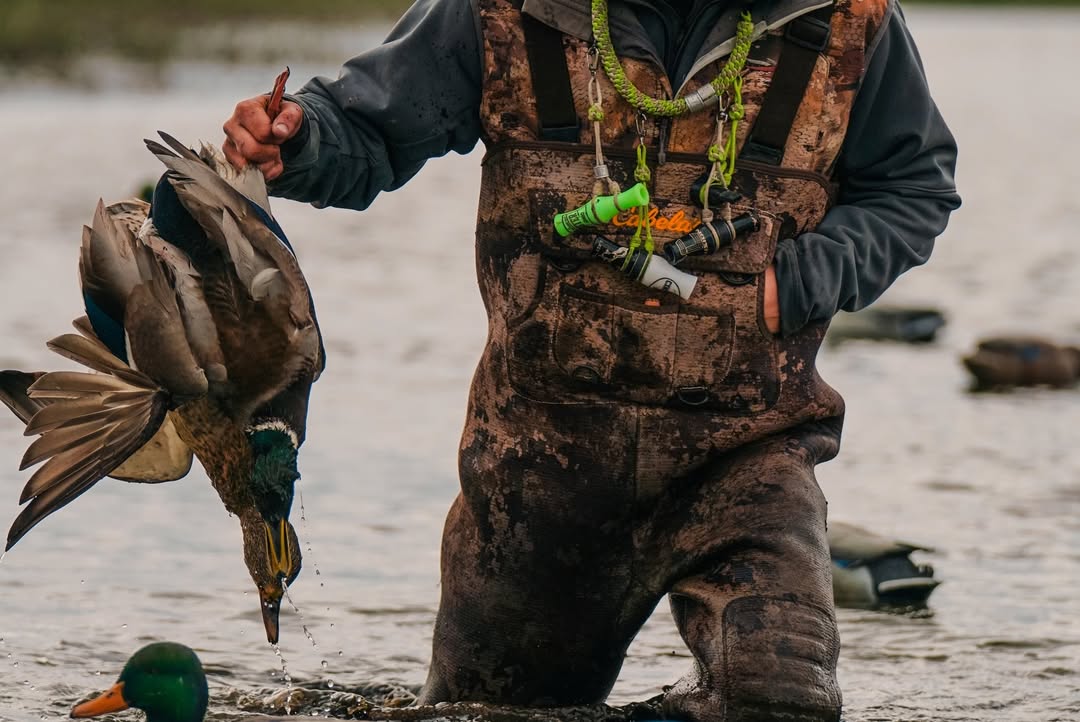
Every spring, as ice retreats and migration accelerates, ducks begin concentrating in wetlands most people never notice. While hunters often focus on large marshes, popular refuges, and permanent water bodies, some of the most important early spring duck habitat exists in small, overlooked wetlands scattered across the landscape.
These hidden areas—seasonal depressions, temporary flood zones, shallow field pockets, and small backwater basins—play a critical role in duck survival and migration. Understanding how to find overlooked spring wetlands ducks depend on can dramatically improve scouting success, habitat awareness, and long-term hunting opportunities.
More importantly, these overlooked wetlands often reveal the true movement patterns of waterfowl before pressure, vegetation, and seasonal changes alter their behavior.
Why Overlooked Wetlands Matter More Than Major Marshes in Early Spring
Large wetlands attract attention, but they aren’t always the first places ducks use when spring begins. Smaller wetlands frequently thaw earlier and provide safer, more efficient staging areas.
Overlooked spring wetlands often offer:
- Faster warming water temperatures
- Reduced hunting and human pressure
- Reliable food availability
- Better protection from wind
- Lower predator exposure
Because of these advantages, ducks often use these smaller areas before expanding into larger marsh systems.
In early spring, survival efficiency matters more than space. Ducks prioritize warmth, safety, and food access—not size.
Temporary Water Creates Prime Spring Habitat
Many of the most productive duck wetlands in spring do not exist year-round. Seasonal moisture, snowmelt, and rainfall create temporary water sources that may only last weeks.
These temporary wetlands include:
- Snowmelt depressions in agricultural fields
- Flooded low spots in pastureland
- Seasonal marsh pockets
- Overflow areas along creeks and rivers
- Shallow woodland pools
- Drainage basins and ditches
These areas are often ignored because they disappear later in the year—but during early spring, they can attract significant numbers of ducks.
Temporary wetlands frequently produce more food than permanent water because nutrients accumulate during dry periods and activate when flooded.
Food Availability Drives Early Wetland Use
One of the biggest reasons ducks depend on overlooked wetlands is food density. Seasonal wetlands often contain concentrated nutrition critical for migration recovery.
Key food sources include:
- Aquatic insect larvae
- Midges and emerging insects
- Amphibians and invertebrates
- Seeds from grasses and native plants
- Waste grain from agricultural fields
These food sources provide protein and energy needed for long migration flights and breeding preparation.
Shallow water warms faster, accelerating biological activity and making overlooked wetlands some of the most productive feeding areas available.
Shallow Wetlands Provide Safety and Efficiency
Shallow water offers multiple survival advantages for ducks in early spring.
Benefits include:
- Easier feeding access without deep diving
- Faster escape from predators
- Reduced exposure to cold deep water
- Better visibility of surroundings
- Lower energy expenditure while feeding
Ducks prefer environments where feeding is efficient and risk is minimized. Shallow overlooked wetlands often provide exactly that balance.
How Landscape Features Reveal Hidden Wetlands
Finding overlooked spring wetlands requires understanding terrain and water flow patterns.
Look for these landscape indicators:
1. Low Elevation Areas
Water naturally collects in depressions. Even slight elevation changes can create seasonal wetlands.
Common locations include:
- Field corners
- Low pasture pockets
- Edges of agricultural land
- Natural drainage basins
These areas may appear dry most of the year but become important during spring thaw.
2. Areas Near Seasonal Drainage
Temporary water flow creates ideal wetland conditions.
Check locations near:
- Small creeks
- Drainage ditches
- River floodplains
- Beaver activity zones
- Woodland drainage paths
These areas often hold shallow water longer than expected.
3. South-Facing Terrain
Sun exposure accelerates thawing. South-facing slopes and basins warm faster, creating early open water.
These areas attract ducks sooner than shaded wetlands.
4. Agricultural Fields With Poor Drainage
Farm fields frequently contain overlooked wetland pockets. Poor drainage areas hold water and attract feeding ducks.
Corn, soybean, and grain fields often provide both water and food.
Why Ducks Return to the Same Overlooked Wetlands Each Year
Ducks rely heavily on memory and instinct. If a wetland provided safety and food previously, birds are likely to return when conditions allow.
Reliable overlooked wetlands often provide:
- Consistent water availability
- Reliable feeding opportunities
- Safe resting locations
- Minimal disturbance
Over time, these locations become part of regular migration routes.
Identifying these areas provides valuable insight into long-term waterfowl patterns.
Early Spring Wetlands Reveal Future Hunting Locations
One of the most important benefits of finding overlooked wetlands in spring is predicting fall hunting success.
Areas ducks trust during early spring often remain important later because they offer:
- Natural cover
- Reliable water retention
- Food production
- Safe travel corridors
Even if water disappears temporarily, ducks remember these locations and often return when conditions improve.
Spring scouting provides critical information without hunting pressure influencing behavior.
How Weather Changes Wetland Value Quickly
Spring wetland conditions can change rapidly. A few warm days can create new habitat, while dry weather can eliminate others.
Important factors include:
- Snowmelt speed
- Rainfall amounts
- Temperature consistency
- Ground saturation levels
- Water retention characteristics
Wetlands that appear suddenly can become highly productive within days.
Frequent observation helps identify the most reliable areas.
Ducks Use Overlooked Wetlands for Multiple Purposes
These wetlands support several key behaviors:
- Resting during migration
- Feeding to rebuild energy reserves
- Avoiding predators
- Waiting for northern habitats to thaw
- Conserving energy before continued migration
These functions make overlooked wetlands essential survival tools.
Why These Areas Remain Overlooked
Several reasons explain why many hunters miss these wetlands:
- They may not appear on maps
- They are temporary and inconsistent
- They are small and easy to ignore
- They lack permanent water
- They may require walking or scouting to locate
Because they receive less attention, ducks often use them with greater confidence.
Scouting Timing Matters Most
The best time to find overlooked spring wetlands is during active thaw periods when:
- Ice is partially melting
- Snowmelt is active
- Daytime temperatures rise above freezing
- Seasonal water flow increases
This is when ducks actively search for new habitat and reveal their preferred locations.
Final Thoughts: The Wetlands Most People Ignore Matter Most
Spring migration is not controlled by calendar dates—it is controlled by habitat availability. Overlooked wetlands often provide the first safe, productive environments ducks can use after winter.
These small, temporary, and hidden water sources offer:
- Critical feeding habitat
- Safe resting zones
- Energy-efficient survival conditions
- Reliable migration staging areas
Hunters who learn to identify and understand these overlooked wetlands gain insight far beyond a single season. These areas reveal how ducks move, where they feel safe, and which habitats truly matter.
In many cases, the wetlands most people walk past without noticing are the ones ducks depend on the most.
