
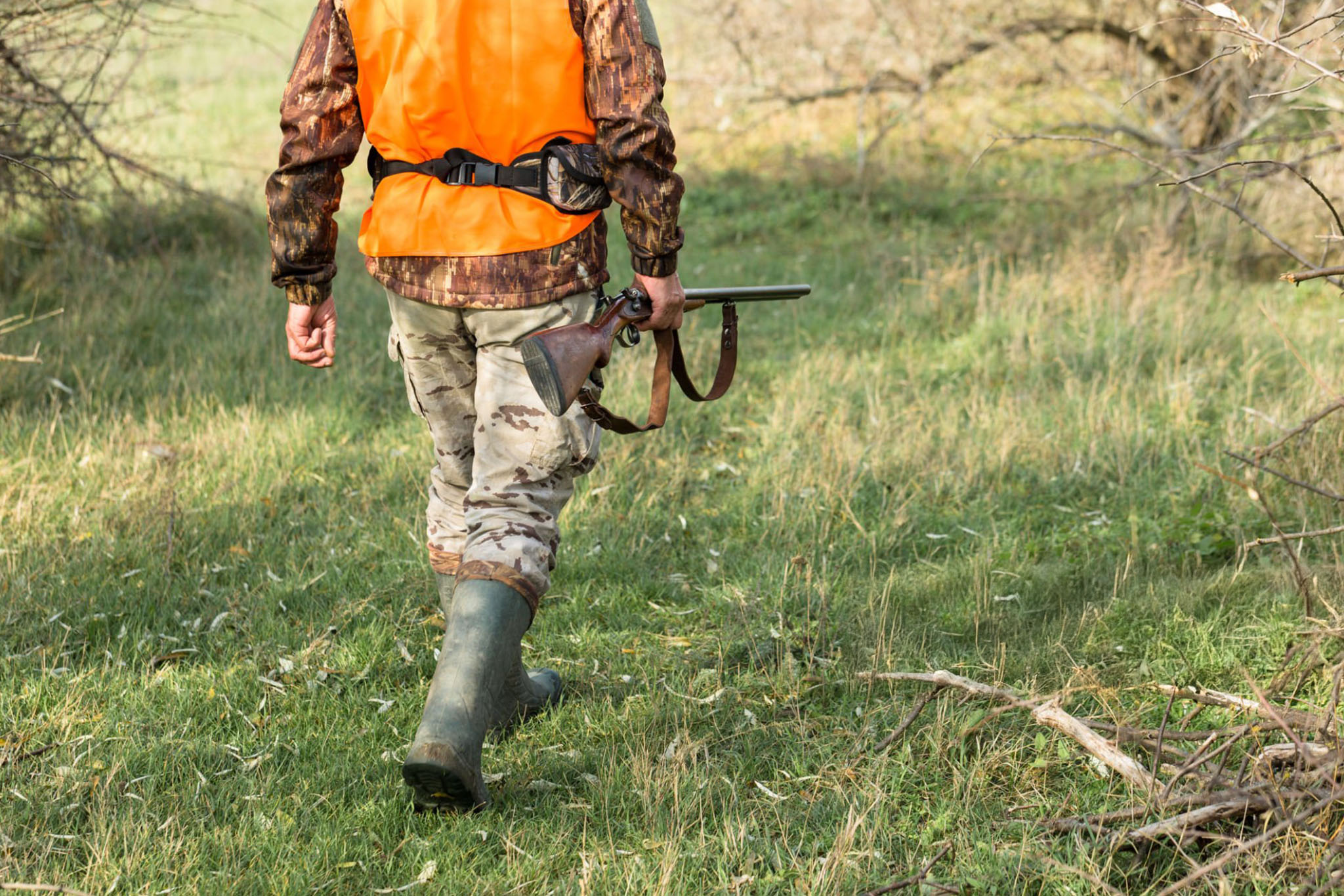
Shed season is more than just an opportunity to collect antlers—it’s one of the most valuable scouting windows of the entire year. In early spring, when bucks drop their antlers and winter loosens its grip, the landscape reveals travel routes that often remain hidden during fall hunting season. These shed-season travel routes expose how bucks move between bedding areas, food sources, and security cover.
For hunters who understand how to identify and interpret these routes, shed season offers a roadmap to future success. The trails bucks use during late winter frequently become the same structural pathways they rely on in early fall, especially before hunting pressure alters their behavior.
Why Shed Season Travel Routes Matter So Much
During late winter and early spring, deer operate under survival priorities. Their focus is on conserving energy, accessing reliable food, and staying safe. Because of this, their movement becomes predictable and efficient.
Unlike during the rut, bucks avoid unnecessary travel. Instead, they rely on:
- Established trails
- Terrain advantages
- Security cover
- Direct routes between bedding and feeding areas
These efficiency-driven routes often represent the safest and most reliable travel corridors available.
These same corridors frequently remain important during early fall when bucks begin re-establishing predictable movement patterns.
Late Winter Movement Reflects Core Survival Patterns
Shed season occurs after months of hunting pressure and rut exhaustion. Bucks are physically depleted and prioritize safety above all else.
This makes their movement highly strategic.
Bucks typically travel:
- Short distances
- Along secure cover edges
- Through terrain that offers concealment
- Along predictable, low-risk paths
These routes reveal where bucks feel safest moving during vulnerable periods.
Security-based travel routes often remain consistent year after year.
Key Locations Where Shed-Season Travel Routes Form
Certain terrain features naturally concentrate deer movement. These locations often produce both shed antlers and reliable travel routes.
1. Bedding Area Exit Trails
Bucks typically bed in secure areas such as:
- Thick bedding cover
- South-facing slopes
- Ridge points
- Brushy draws
- Dense timber edges
Travel routes leading out of bedding areas are especially important.
These trails often show:
- Consistent track patterns
- Compressed ground
- Clear path definition
These exit routes often remain critical during fall daylight movement.
2. Food-to-Bedding Transition Zones
Winter feeding areas attract deer daily. These may include:
- Agricultural field edges
- Food plots
- Oak flats with leftover acorns
- Browse-rich transition zones
Travel routes connecting bedding areas to feeding areas often produce shed antlers.
These transition zones represent predictable daily movement patterns.
In early fall, bucks frequently return to similar food-to-cover movement patterns.
3. Terrain Funnels and Natural Pinch Points
Terrain naturally funnels deer movement into predictable corridors.
Common funnel features include:
- Saddle crossings
- Ridge narrowings
- Creek crossings
- Fence gaps
- Timber edge corners
These locations concentrate deer travel.
Bucks prefer routes that maximize security while minimizing energy use.
Funnels often remain productive travel routes year-round.
4. South-Facing Slopes and Thermal Advantage Areas
South-facing slopes warm faster in winter sunlight. This creates favorable conditions for deer.
Benefits include:
- Reduced snow depth
- Warmer bedding areas
- Earlier plant growth
Bucks often use trails leading to and from these thermal advantage zones.
These areas remain attractive during early fall transition periods.
Shed Locations Reveal Movement Direction
Shed antlers rarely fall randomly. They usually drop along routes bucks travel regularly.
Common shed drop locations include:
- Trail intersections
- Bedding area edges
- Obstacles like logs or fences
- Slopes where bucks jump or step down
These physical movements can loosen antlers.
Finding sheds along trails confirms those routes were heavily used.
Multiple sheds in an area indicate consistent buck traffic.
Winter Security Routes Often Become Fall Daylight Routes
One of the most valuable insights shed season provides is identifying daylight travel routes.
Winter routes prioritize safety, which aligns closely with fall daylight buck movement.
During early fall, bucks often:
- Avoid open areas during daylight
- Stay close to cover
- Use terrain to remain hidden
Routes used during shed season often meet these same criteria.
This makes them excellent stand locations when hunting season returns.
Shed Season Reveals Low-Pressure Movement Patterns
During late winter, hunting pressure has ended. Deer movement reflects natural survival patterns rather than avoidance behavior.
This provides a clear view of:
- Preferred bedding areas
- Natural travel corridors
- Security-focused movement
These routes often represent true habitat preference.
This information is far more valuable than movement observed during pressured hunting periods.
How Terrain Influences Reliable Travel Routes
Terrain plays a major role in guiding deer movement.
Bucks prefer routes that offer:
- Visual cover
- Wind advantage
- Easy walking conditions
- Escape options
Common terrain-based routes include:
- Sidehill trails
- Ridge edges
- Creek bottoms
- Transition edges
These features provide safety and efficiency.
Terrain-based travel routes often remain consistent across seasons.
Edge Habitat Creates Predictable Movement
Deer frequently travel along habitat edges.
These edges include:
- Timber-to-field boundaries
- Thick-to-open cover transitions
- Marsh-to-dry ground edges
Edges offer both security and access to food.
Travel routes along edges are highly predictable.
These routes are especially valuable for fall stand placement.
Shed Season Helps Identify Mature Buck Core Areas
Mature bucks tend to use specific core areas consistently.
Shed antlers found within a concentrated area suggest:
- Core bedding zone presence
- Regular buck activity
- Secure habitat conditions
Mature bucks often stay within defined home ranges outside the rut.
Identifying these areas during shed season provides a major advantage.
Travel Routes That Remain Consistent Across Seasons
Not all deer travel routes remain consistent year-round. However, routes tied to terrain and security often persist.
Reliable routes typically include:
- Ridge crossings
- Funnel points
- Security cover edges
- Bedding area access trails
These routes provide safe movement regardless of season.
Fall hunting success often depends on identifying these consistent pathways.
How to Scout Shed-Season Travel Routes Effectively
Effective shed scouting requires slow, careful observation.
Focus on:
- Trails with consistent use
- Terrain funnels
- Bedding area edges
- Transition zones
Look for additional confirming signs such as:
- Tracks
- Droppings
- Beds
- Rub lines from previous fall
These signs confirm long-term route use.
Shed Season Helps Predict Early Fall Patterns
Early fall movement closely resembles late winter movement before rut behavior begins.
Bucks are focused on:
- Feeding
- Security
- Predictable travel
Travel routes identified during shed season often become active again during early bow season.
This creates excellent opportunities for stand placement.
The Advantage of Scouting Before Vegetation Returns
Early spring provides excellent visibility.
Without thick vegetation, hunters can clearly see:
- Trails
- Terrain structure
- Bedding areas
- Travel corridors
This allows complete habitat understanding.
Later in spring and summer, vegetation hides these features.
Early scouting provides critical insight that’s difficult to obtain later.
Conclusion: Shed Season Reveals the Blueprint for Fall Success
Shed season offers one of the clearest windows into how bucks truly move across the landscape. Travel routes used during late winter reflect survival priorities—security, efficiency, and safety. These same priorities influence buck movement during early fall hunting season.
By identifying bedding area exits, terrain funnels, transition zones, and consistent travel corridors during shed season, hunters can uncover reliable patterns that remain relevant for months.
Those who take the time to scout shed-season travel routes aren’t just collecting antlers—they’re collecting information. And in hunting, information gained in spring often becomes success earned in fall.
