
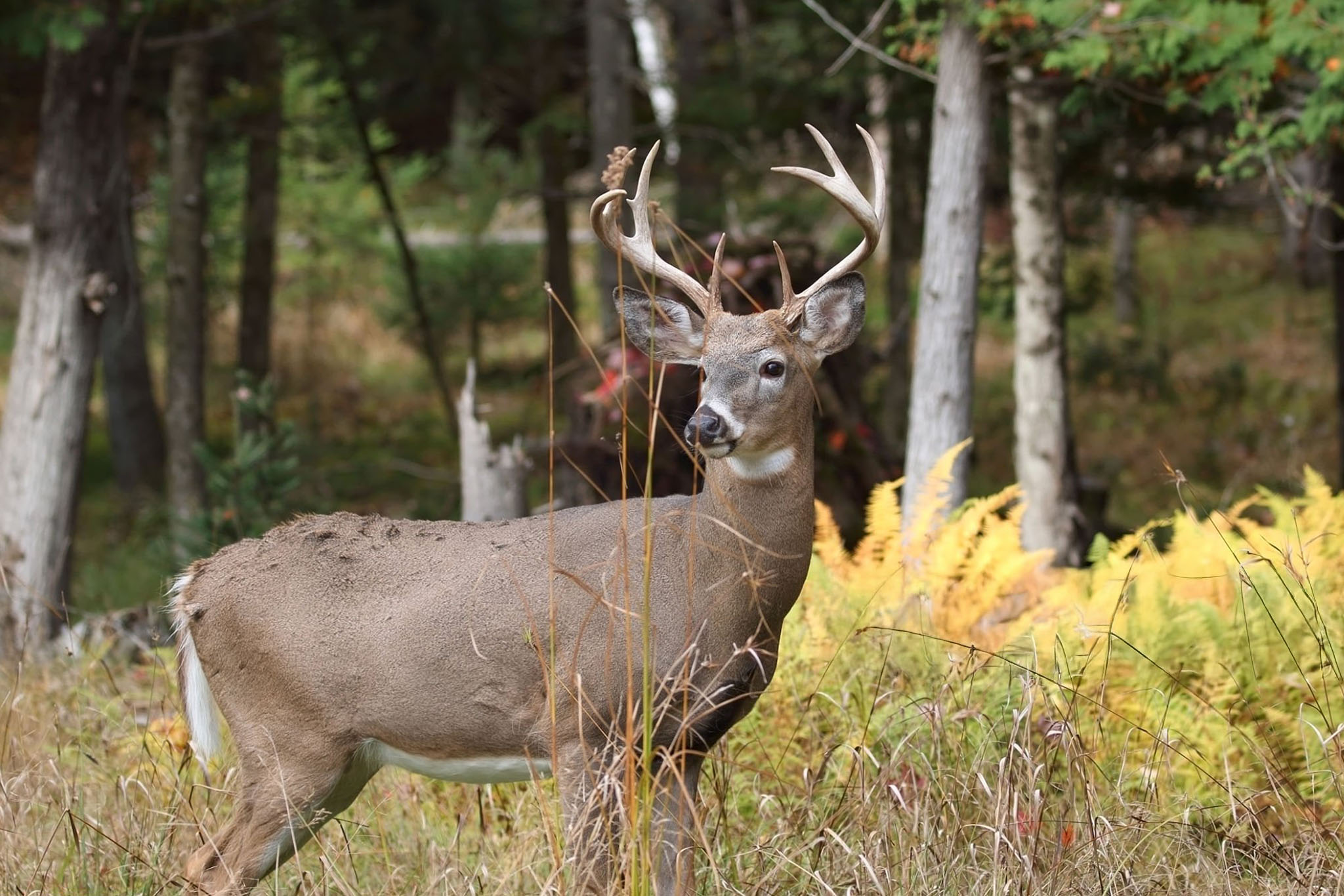
When winter finally loosens its grip and the first signs of green begin to appear, deer behavior shifts quickly and predictably. After months of surviving on limited nutrition, whitetail deer immediately begin seeking out the earliest emerging natural food sources. This early spring movement isn’t random—it follows sunlight, warmth, moisture, and plant growth patterns.
For hunters, land managers, and wildlife observers, understanding where deer move first during the early spring green-up provides valuable insight into feeding zones, travel corridors, and future fall hunting opportunities. These early-season feeding patterns often establish habits that influence deer movement for months to come.
Why Early Spring Food Sources Matter So Much to Deer
Winter is nutritionally stressful for deer. Body weight declines, fat reserves shrink, and energy conservation becomes critical. By early spring, deer are in recovery mode.
Their priorities shift toward:
- Rebuilding fat reserves
- Supporting antler growth in bucks
- Supporting pregnancy and lactation in does
- Restoring overall health and strength
According to the National Deer Association, spring nutrition plays a major role in antler development, fawn survival, and overall herd health.
Because of this, deer aggressively seek out the most nutritious and accessible early green vegetation.
South-Facing Slopes Are Often the First Feeding Areas
South-facing slopes receive more direct sunlight than north-facing slopes. This increased solar exposure warms the soil faster and triggers earlier plant growth.
These slopes often produce:
- Fresh grasses
- Emerging forbs
- Early leafy vegetation
Even a difference of a few degrees can cause plants to emerge days or weeks earlier.
Deer instinctively move to these areas because they provide the earliest available natural nutrition.
In hilly terrain, south-facing ridges and slopes consistently attract early spring feeding activity.
Field Edges Become Major Feeding Zones
Agricultural field edges and open clearings are among the first areas to produce fresh vegetation.
These locations warm faster because they:
- Receive full sunlight
- Have less canopy cover
- Experience faster soil warming
Common early spring deer foods found along field edges include:
- Clover
- Native grasses
- Broadleaf weeds
- Early-season forbs
Deer often enter these areas during late afternoon and evening feeding periods.
Field edges also provide quick access to nearby bedding cover, increasing their attractiveness.
Creek Bottoms and Moist Soil Areas Produce Early Growth
Water availability accelerates plant growth. Areas with consistent moisture produce vegetation earlier than dry ground.
Creek bottoms, river edges, and lowlands often provide:
- Tender green shoots
- Soft, digestible plants
- High-moisture forage
Moist soil warms and supports plant growth efficiently once temperatures rise.
The U.S. Forest Service notes that riparian zones—areas along water—support some of the earliest and most productive vegetation growth in forest ecosystems.
Deer naturally move toward these areas because they offer reliable early nutrition.
Recently Disturbed Areas Produce Highly Attractive Growth
Disturbed ground creates ideal conditions for new plant growth. Areas affected by disturbance often produce fresh vegetation faster than mature forests.
Examples include:
- Logging cuts
- Burned areas
- Storm-damaged zones
- Land clearing areas
These locations receive increased sunlight, allowing new plants to grow rapidly.
Young vegetation in disturbed areas is often more nutritious and digestible than older plants.
This makes these areas extremely attractive to deer during early spring recovery.
Forest Openings and Transition Zones Attract Early Feeding
Deer prefer feeding in areas that offer both food and security.
Transition zones between:
- Forest and field
- Thick cover and open ground
- Bedding areas and feeding areas
are especially productive.
These zones allow deer to:
- Feed safely
- Monitor surroundings
- Escape quickly if necessary
Deer rarely feed in large, open areas during daylight unless they feel secure.
Edge habitat consistently attracts early feeding activity.
Bedding Areas Shift Closer to Early Food Sources
During winter, deer often bed in thermal cover for warmth and protection. But as temperatures rise and food becomes available, bedding locations shift closer to feeding areas.
Deer conserve energy by minimizing travel distance between food and bedding.
Early spring bedding areas often include:
- Thick brush near feeding zones
- South-facing slopes
- Edge cover near emerging vegetation
Short travel distances allow deer to recover energy more efficiently.
Early Green-Up Patterns Influence Future Deer Movement
Deer develop strong spatial memory. They remember where reliable food sources appear each year.
If an area consistently produces early vegetation, deer will return annually.
These early feeding areas often become:
- Summer feeding zones
- Travel corridors
- Fall feeding patterns
The USDA Natural Resources Conservation Service emphasizes that consistent forage availability shapes long-term wildlife movement and habitat use.
Understanding early spring feeding zones helps predict future deer movement patterns.
Temperature and Sunlight Drive Feeding Timing
Deer feeding behavior is closely tied to temperature.
On cold early spring days:
- Deer feed during warmer afternoon hours
- Feeding increases on sunny slopes
On warmer days:
- Feeding expands into morning and evening
Sudden warm periods often trigger noticeable increases in feeding activity.
Deer respond quickly to improved conditions.
How to Identify Early Spring Deer Feeding Areas
You can locate early feeding zones by looking for specific signs.
Common indicators include:
- Fresh tracks concentrated in small areas
- Recently browsed vegetation
- Deer droppings
- Trails leading to green vegetation
Fresh feeding areas often show repeated deer activity.
Monitoring these areas over time reveals consistent patterns.
Early Spring Movement Is Predictable and Strategic
Deer don’t wander aimlessly in early spring. They move strategically toward the best available nutrition.
Their movement is guided by:
- Sunlight exposure
- Soil warmth
- Moisture availability
- Plant growth patterns
- Safety and cover
These factors combine to create predictable feeding zones.
Understanding these patterns provides valuable insight into deer behavior throughout the year.
Conclusion: Deer Follow the First Green Growth of Spring
When natural food sources return, deer move quickly to the areas where vegetation appears first. South-facing slopes, field edges, creek bottoms, and disturbed areas consistently produce early nutrition and attract feeding deer.
These early spring movements are driven by survival, recovery, and preparation for the months ahead. The locations deer use during this period often influence their travel patterns for the rest of the year.
By understanding where deer move first when natural food returns, hunters and wildlife observers gain a powerful advantage—not just for spring scouting, but for predicting deer behavior throughout summer and fall.
In the world of whitetails, the first green growth of spring marks the beginning of everything that follows.
