
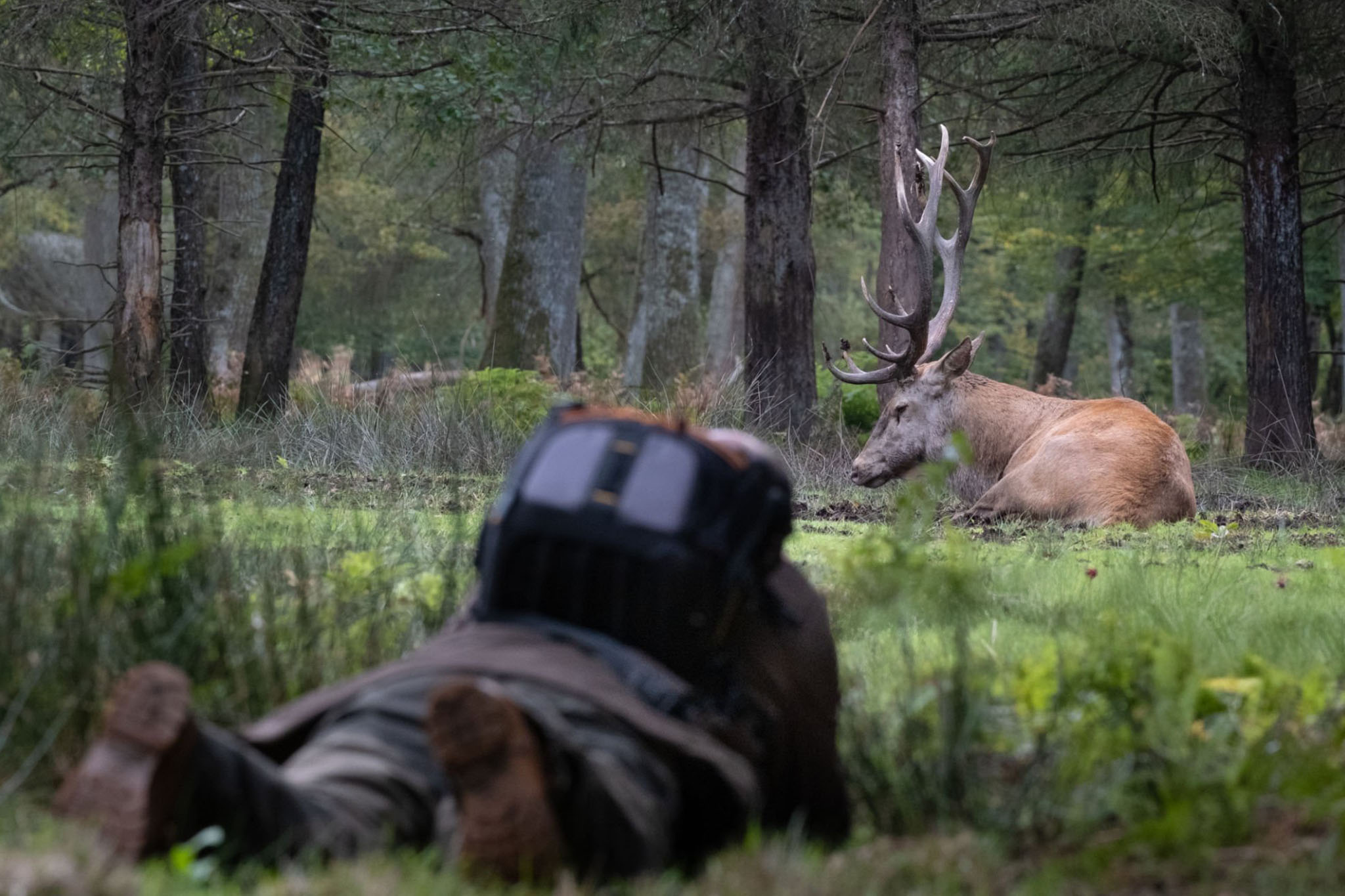
The best hunters don’t measure success by how often they pull the trigger. They measure it by how well they understand animals. While beginners often focus on time spent actively hunting, experienced hunters invest far more time observing. They watch, listen, and learn long before the season opens—and even during the season, they often choose observation over action.
This approach isn’t passive. It’s strategic. Observation builds knowledge, and knowledge creates consistent, repeatable hunting success. Over time, observation reveals patterns that no amount of blind hunting can uncover.
Understanding why observation matters—and how to do it effectively—is what separates consistently successful hunters from those who rely on luck.
Observation Reveals the Truth About Animal Behavior
Animals behave differently when they are not pressured. During peak hunting season, game animals adjust their movement to avoid humans. They travel at night, avoid open areas, and rely on thick cover.
But outside of hunting pressure, their behavior becomes predictable.
Observation allows hunters to learn:
- Where animals naturally feed
- How they travel between bedding and feeding areas
- Which terrain features they prefer
- How weather affects their movement
- When they feel safest moving during daylight
Organizations like the National Deer Association emphasize that understanding behavior patterns is one of the most important factors in consistently harvesting mature animals.
Without observation, hunters only see a small piece of the picture. With observation, they see the full pattern.
Mature Animals Are Rarely Killed by Accident
Young or inexperienced animals often make mistakes. Mature animals do not.
Older deer, ducks, elk, and other game animals survive by detecting danger early. They avoid exposed areas, use terrain strategically, and adjust their patterns based on human activity.
Observation helps hunters identify:
- Where mature animals feel secure
- How they enter and exit feeding areas
- What routes they use under different wind conditions
- Where they stage before moving into open areas
This information allows hunters to plan setups that intersect natural movement rather than forcing encounters.
Observation Teaches Hunters How Animals Use Terrain
Terrain influences animal movement more than most hunters realize.
Animals use landscape features for safety, efficiency, and survival. Through careful observation, hunters learn to recognize:
- Ridge crossings and saddles
- Creek crossings
- Edge habitat transitions
- Marsh openings and shallow feeding areas
- Funnels and pinch points
Waterfowl hunters, for example, often observe marsh systems to identify feeding pockets, loafing zones, and flight corridors. Habitat conservation groups like Ducks Unlimited note that waterfowl return to reliable habitat features year after year, making observation critical for predicting future movement.
Once identified, these terrain features become predictable hunting locations.
Observation Reduces Pressure and Preserves Hunting Opportunities
One of the biggest mistakes hunters make is applying too much pressure too early.
Every time an animal detects human presence, it learns and adapts. Excessive hunting activity can push animals into nocturnal patterns or force them into inaccessible areas.
Observation allows hunters to:
- Monitor areas without disturbing animals
- Confirm patterns before hunting
- Avoid unnecessary intrusion
- Preserve animal confidence in an area
This approach keeps hunting locations productive longer.
Smart hunters understand that sometimes the best decision is not to hunt—but to watch.
Observation Improves Timing, Not Just Location
Knowing where animals are is only part of the equation. Knowing when they move is equally important.
Observation reveals movement timing influenced by:
- Temperature changes
- Wind direction
- Food availability
- Seasonal transitions
- Hunting pressure
For example, deer may move earlier in the afternoon during cold fronts, while waterfowl adjust feeding flights based on weather and food conditions.
The U.S. Fish and Wildlife Service has documented how migration, feeding, and movement patterns are directly influenced by environmental conditions.
Observation helps hunters recognize these timing windows.
Observation Builds Confidence and Reduces Guesswork
Hunters who rely only on instinct or limited information often second-guess their decisions.
Hunters who observe extensively develop confidence based on evidence.
They know:
- Which stand locations are most productive
- Which access routes avoid detection
- Which wind directions are safe
- Which areas animals use consistently
This confidence leads to more effective and efficient hunts.
Instead of hoping animals appear, they position themselves where animals are most likely to move.
Observation Helps Predict Future Behavior
Animal behavior follows patterns. These patterns repeat across seasons and years.
Observation allows hunters to build long-term knowledge of:
- Seasonal feeding areas
- Migration routes
- Bedding preferences
- Terrain usage
Even as vegetation changes, terrain and core habitat features remain consistent.
This knowledge allows hunters to prepare months in advance.
Observation Is Especially Critical During the Off-Season
The off-season provides some of the best observation opportunities of the entire year.
Without hunting pressure, animals behave naturally. Hunters can scout and observe without disrupting future hunts.
Off-season observation helps identify:
- Primary travel corridors
- Feeding zones
- Habitat structure
- Animal population presence
This information becomes the foundation of fall hunting strategy.
Observation Improves Ethical and Effective Hunting
Observation contributes to ethical hunting by increasing shot opportunities under controlled conditions.
Hunters who observe extensively are more likely to:
- Take high-percentage shots
- Avoid rushed decisions
- Recover animals quickly
- Minimize unnecessary suffering
Preparation leads to cleaner, more effective harvests.
Ethical hunting depends on knowledge and preparation.
Observation Is What Separates Consistent Hunters From Occasional Hunters
Anyone can get lucky once. Consistent success comes from understanding.
Hunters who observe more than they hunt develop deeper awareness of animal behavior, habitat use, and movement patterns.
They stop reacting to animals and start predicting them.
This shift—from reactive hunting to predictive hunting—is what defines experienced hunters.
Conclusion: Observation Is the Foundation of Hunting Success
The most successful hunters are not the ones who hunt the most. They are the ones who observe the most.
Observation reveals patterns, builds confidence, reduces pressure, and increases opportunity. It transforms hunting from guesswork into strategy.
Every hour spent observing teaches lessons that improve future hunts.
In the end, observation doesn’t replace hunting—it makes hunting effective.
Because the hunters who understand animals best are the ones who consistently find them.
