
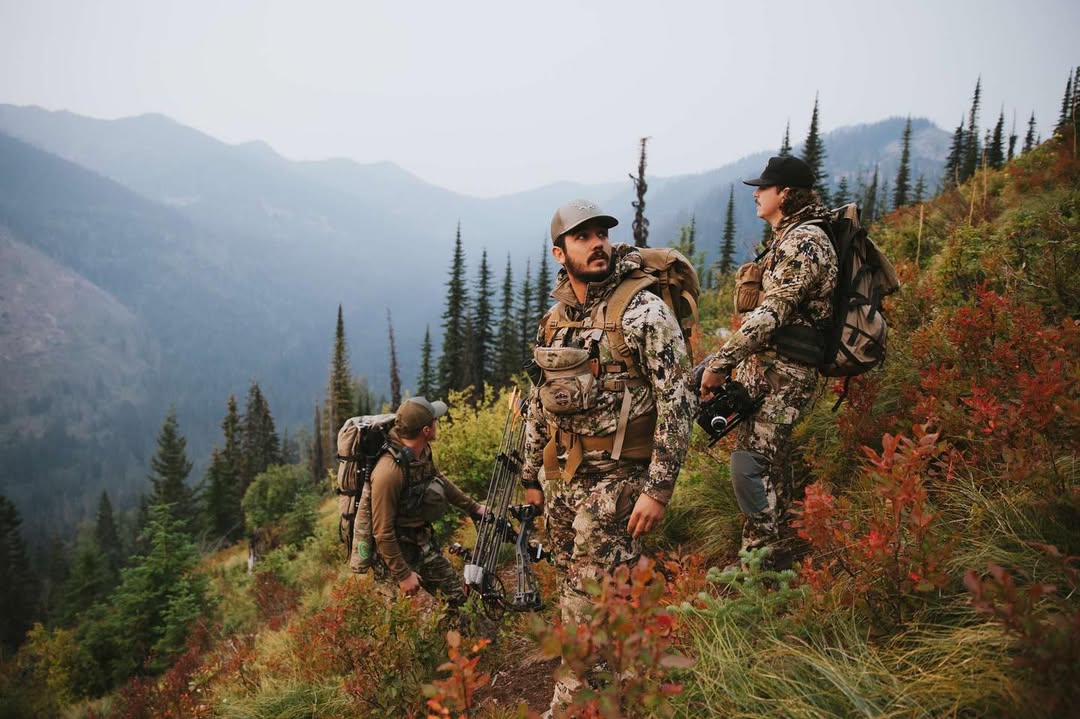
Early spring doesn’t arrive all at once. It shows up in pieces—longer daylight, softer ground, distant bird calls, and subtle movement where there was none weeks before. For hunters, this is a unique phase of the year, not defined by peak seasons or crowded openings, but by transition.
When the woods wake up, they don’t announce it loudly. They whisper. And hunters who listen carefully gain insight that lasts far beyond spring.
Understanding the “In-Between” Season
Early spring exists in a narrow window after winter releases its grip but before full green-up changes the landscape.
This period is marked by:
- Unstable weather patterns
- Mixed ground conditions
- Gradual wildlife reactivation
Unlike fall, where activity peaks are obvious, early spring requires hunters to recognize subtle cues. Success begins with patience and observation, not action.
The First Signs the Woods Are Waking Up
The earliest signals aren’t visual—they’re behavioral.
Hunters often notice:
- Increased bird movement at dawn
- Small mammals active earlier in the day
- Less rigid movement timing from larger game
These changes signal a shift from survival mode to recovery mode. Animals begin testing their environment again, and movement becomes more flexible—though still cautious.
Why Animal Behavior Is More Honest in Early Spring
During fall, animals react to pressure. During winter, they react to necessity. Early spring sits between those forces.
That makes animal behavior:
- Less reactive
- Less rushed
- Less distorted by human activity
Movement during this time reflects preference, not panic. Where animals choose to travel now often reveals where they want to be—information that’s invaluable later in the year.
Reading Daylight Differently
Longer days don’t immediately mean more movement—but they do change when animals feel comfortable moving.
Early spring often brings:
- Late-morning activity
- Midday repositioning
- Earlier bedding periods
Hunters locked into traditional dawn-and-dusk expectations frequently miss these shifts. Spring rewards those who adapt their timing rather than their location.
Terrain Becomes the Primary Influence
Before vegetation returns, terrain dictates behavior more than cover.
Animals rely on:
- Natural contours
- Wind-friendly positioning
- Firm, efficient travel routes
Hunters who learn to read terrain now—without foliage interference—build a mental map that stays accurate year-round.
Pressure Is Low, But Awareness Is High
Early spring feels quiet because fewer people are in the woods. That doesn’t mean animals are careless.
Instead:
- Hearing becomes more important than sight
- Movement is deliberate
- Small disturbances stand out
This balance creates a unique dynamic: animals move naturally, but they notice inconsistencies quickly. Hunters must be intentional, not aggressive.
Early Spring Is About Observation, Not Forcing Opportunity
One of the biggest mistakes hunters make in early spring is trying to create action.
This season favors:
- Sitting and watching
- Learning movement flow
- Letting patterns develop naturally
Many experienced hunters treat early spring as an information-gathering season, not a results-driven one. What you learn now often explains what happens later.
Weather Swings Teach Flexibility
Few seasons punish rigid plans like early spring.
- A warm morning can turn cold by afternoon
- Rain can reset activity patterns overnight
- Wind direction shifts more frequently
Hunters who adjust daily—not emotionally, but strategically—gain confidence in unpredictable conditions.
The Woods Before They Hide Again
Once leaves return and growth explodes, visibility disappears.
Early spring offers:
- Clear sightlines
- Visible travel routes
- Unobstructed terrain understanding
This is the last time all year the woods reveal themselves completely. Smart hunters take advantage of that clarity.
Why Early Spring Makes Better Hunters
Early spring doesn’t reward shortcuts. It rewards:
- Awareness
- Adaptability
- Discipline
Hunters who spend time in the woods during this transition develop sharper instincts and better judgment. They stop chasing seasons and start reading systems.
Final Thoughts
When the woods wake up, they don’t invite attention—they invite understanding. Early spring is the season where nothing is loud, nothing is rushed, and nothing is wasted.
For hunters willing to slow down and observe, this period offers something rare: truth. And that truth becomes the foundation for every successful hunt that follows.
