
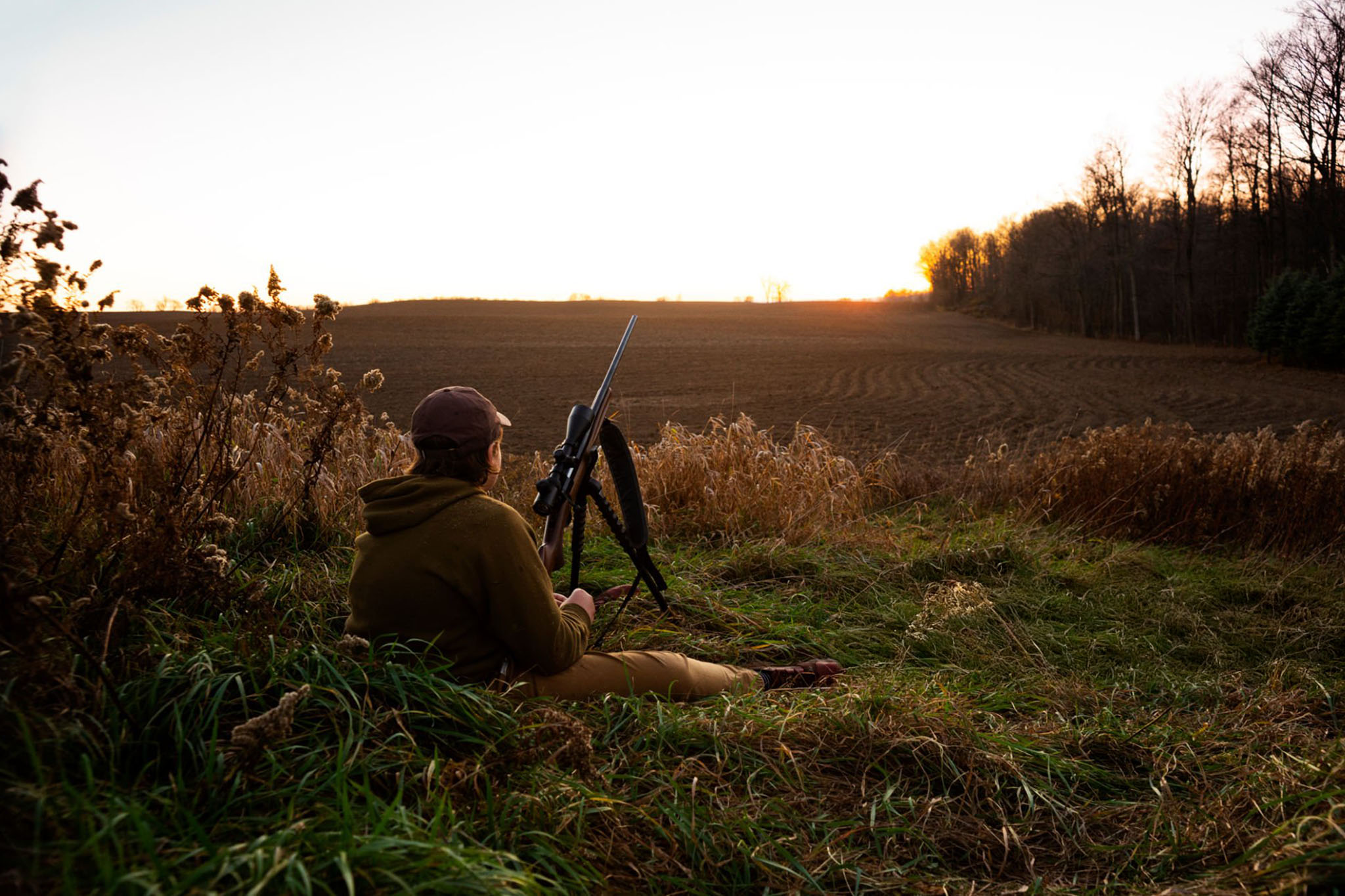
When winter finally loosens its grip, the snow disappears—but the story doesn’t. For deer hunters, early spring is one of the most revealing times of year because tracks left behind after winter tell the truth. Not assumptions. Not rut-driven chaos. Just raw movement shaped by survival, recovery, and terrain.
Learning how to read post-winter deer tracks gives hunters insight that’s almost impossible to gain during the crowded fall season.
Why Early Spring Tracks Matter More Than Fall Sign
In fall, deer sign is everywhere—and often misleading. Rut behavior creates excessive movement, overlapping trails, and erratic direction.
Early spring is different.
Post-winter tracks reflect:
- Necessary movement, not optional movement
- Energy-efficient travel
- Honest habitat use
Deer aren’t roaming for breeding or pressured by hunters. They’re rebuilding. That makes their tracks clean, purposeful, and highly informative.
Track Density Reveals Winter Survival Zones
One of the first things spring tracks show is where deer actually made it through winter.
Look for:
- Multiple tracks converging in sheltered areas
- Repeated paths along the same terrain features
- Heavy use near thermal cover and wind protection
These zones often differ from where deer are hunted in fall. Early spring exposes true core areas, not seasonal hotspots.
Track Direction Tells You What Changed
Post-winter tracks frequently move away from winter bedding zones.
This outward movement signals:
- Expanding daily range
- Increased confidence
- Transition toward spring feeding areas
If tracks consistently lead uphill, toward edges, or into mixed cover, deer are signaling where they plan to spend the next several months—not where they’ve been.
Track Depth Shows Energy and Condition
Early spring ground conditions act like a health report.
- Deep, uneven tracks often indicate weakened deer
- Shallow, steady impressions suggest recovered strength
- Drag marks or uneven stride lengths reveal stress
These details matter. Stronger deer will claim better terrain first, influencing how movement patterns develop throughout spring and summer.
Parallel Tracks Signal Group Reorganization
After winter, deer begin breaking out of survival groupings.
Watch for:
- Parallel tracks splitting and rejoining
- Bucks separating from doe-heavy trails
- Smaller groups forming near food edges
This reorganization phase creates predictable micro-patterns that don’t exist later in the year once hierarchy stabilizes.
Entry and Exit Angles Expose Bedding Preferences
Without leaves or tall grass, early spring tracks make bedding behavior obvious.
Key signs include:
- Tracks approaching beds from downwind
- Exit trails angled toward open visibility
- Beds positioned for afternoon sun but morning shade
These clues help hunters identify preferred bedding terrain, not just random beds.
Crossing Points Matter More Than Trails
In early spring, deer avoid unnecessary effort.
Tracks often funnel through:
- Narrow creek crossings
- Firm ground between wet zones
- Slight elevation rises
These aren’t permanent trails yet—but they show decision points deer repeatedly choose when conditions are difficult.
Those same decision points often become fall movement corridors.
Time Stamping Tracks Beats Counting Them
Unlike snow, spring soil doesn’t preserve tracks long.
Fresh tracks:
- Have sharp edges
- Show moisture displacement
- Sit darker than surrounding ground
Old tracks flatten fast. This makes early spring ideal for learning when deer move, not just where. Timing insight gained now is gold later.
Human Pressure Is Absent—and It Shows in Tracks
One of the most valuable aspects of spring tracking is what’s missing: avoidance behavior.
Tracks follow:
- Natural contours
- Direct routes
- Open daylight paths
These are the paths deer want to use. In fall, pressure forces them elsewhere. Spring shows the baseline.
How Spring Tracks Predict Fall Success
Hunters who mark:
- Spring travel lanes
- Bedding transitions
- Feeding direction
often discover that fall movement overlays these same areas—just under pressure and cover.
Spring tracks create a foundation map. Fall simply adds variables.
Common Mistakes Hunters Make Reading Spring Tracks
- Assuming all tracks indicate feeding
- Ignoring terrain firmness
- Overvaluing track volume instead of consistency
Spring rewards interpretation, not excitement.
Final Thoughts
Post-winter deer tracks don’t lie. They aren’t influenced by hunters, breeding, or abundance. They show how deer choose to move when survival is the priority and pressure is low.
For hunters willing to slow down and read the ground, early spring becomes more than a transition—it becomes a master class in deer behavior.
Miss it, and you wait until fall to guess. Learn it now, and the woods make sense all year long.
