
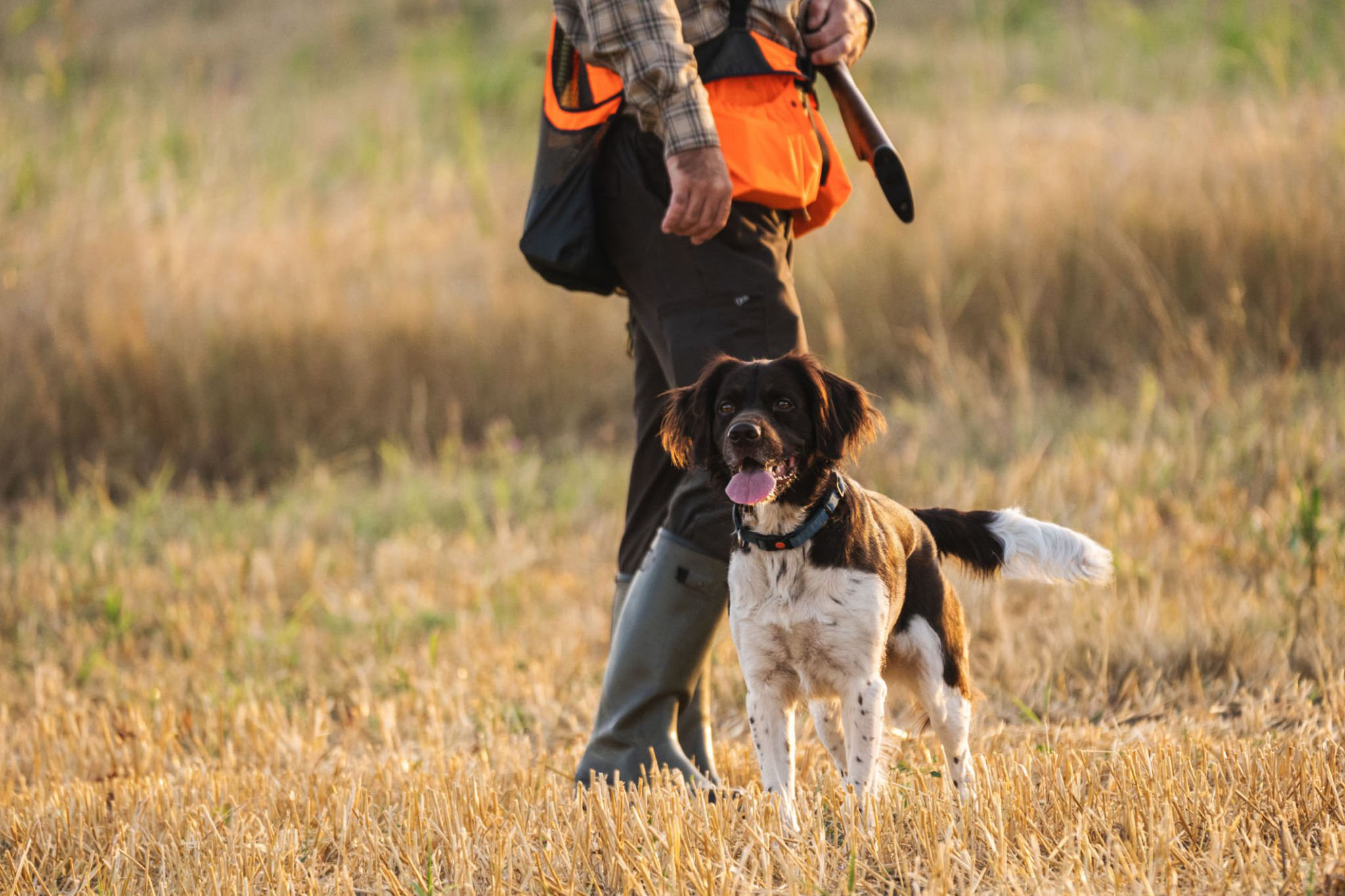
For American hunters, the shift from winter to spring isn’t marked by a single date on the calendar—it’s a gradual change that forces a complete rethink of strategy. What worked in cold, predictable winter conditions often fails once temperatures rise, daylight lengthens, and animals begin transitioning out of survival mode.
Successful hunters don’t just wait for spring—they adapt ahead of it.
Why the Winter Playbook Stops Working
Winter hunting strategies are built around scarcity and conservation. Animals move less, follow established paths, and prioritize shelter over exploration. Hunters can rely on patterns that remain stable for weeks.
Spring disrupts all of that.
As daylight increases and temperatures fluctuate:
- Food sources diversify
- Animals regain mobility
- Movement becomes less predictable
Hunters who stick to winter habits often feel like game has “disappeared,” when in reality, the rules have simply changed.
Strategic Shift #1: From Survival Zones to Opportunity Zones
Winter Focus
In winter, hunters target:
- Dense cover
- South-facing slopes
- Limited food sources
Animals are conserving energy and minimizing risk.
Spring Adjustment
In early spring, animals begin:
- Exploring new forage
- Expanding daily travel distances
- Testing transitional terrain
Hunters adapt by shifting attention to:
- Edge habitat between cover and open ground
- Newly greening areas
- Transitional corridors rather than fixed bedding zones
Spring success often comes from mobility, not waiting.
Strategic Shift #2: Shorter Patterns, Faster Decisions
Winter patterns can last weeks. Spring patterns may last days—or even hours.
What Changes
- Feeding times expand beyond strict morning/evening windows
- Bedding locations rotate more frequently
- Weather swings influence movement daily
Instead of relying on long-term pattern memory, spring hunters:
- Scout more frequently
- React to current sign
- Make quicker go/no-go decisions
This is where observation outweighs tradition.
Strategic Shift #3: Relearning How to Read the Ground
Without snow, sign becomes more subtle—but also more immediate.
Winter Sign
- Deep tracks
- Long-lasting trails
- Clear direction of travel
Spring Sign
- Mud impressions
- Disturbed grass
- Broken stems and fresh droppings
Spring hunters learn to read freshness over volume. One clean track in damp soil can be more valuable than dozens of old winter trails.
Strategic Shift #4: Adjusting Movement and Access
Spring ground conditions punish careless movement.
- Mud amplifies noise
- Saturated soil slows travel
- Frozen mornings turn sloppy by afternoon
Experienced hunters:
- Enter later in the morning to avoid frozen ground noise
- Use higher, drier access routes
- Reduce unnecessary movement during warm afternoons
Access strategy becomes just as important as location.
Strategic Shift #5: Gear Becomes Lighter and Smarter
Spring doesn’t reward heavy setups.
Winter Gear Priorities
- Maximum insulation
- Long sits
- Cold-weather redundancy
Spring Gear Priorities
- Waterproof protection
- Breathable layers
- Lightweight, flexible setups
Hunters streamline packs, reduce bulk, and focus on staying dry instead of staying warm.
Strategic Shift #6: Mental Reset and Patience
Perhaps the most overlooked adaptation is psychological.
Winter hunting teaches patience through stillness. Spring hunting demands patience through constant adjustment.
- Plans change daily
- Weather alters outcomes fast
- Success often comes from restraint, not pressure
Spring hunters learn to walk away from marginal conditions instead of forcing outcomes—a mindset that carries into summer scouting and fall preparation.
Ethical Awareness During Transition Season
Spring is a recovery period for wildlife. Many experienced hunters adjust effort levels intentionally.
They:
- Avoid excessive pressure
- Respect seasonal closures
- Focus on observation and learning
This ethical approach builds long-term success and protects future opportunity.
Why Spring Adaptation Makes Better Hunters
Hunters who master the winter-to-spring transition develop skills that apply year-round:
- Improved terrain reading
- Better understanding of animal behavior cycles
- Smarter decision-making under changing conditions
Spring doesn’t offer the consistency of fall—but it offers clarity for those willing to learn.
Final Thoughts
From winter to spring, American hunters don’t just change clothing—they change how they think. Strategy becomes fluid, movement becomes deliberate, and success depends on reading the moment rather than relying on memory.
Hunters who adapt during this transition don’t just survive the off-season—they come out sharper, more informed, and better prepared for everything that follows.
