
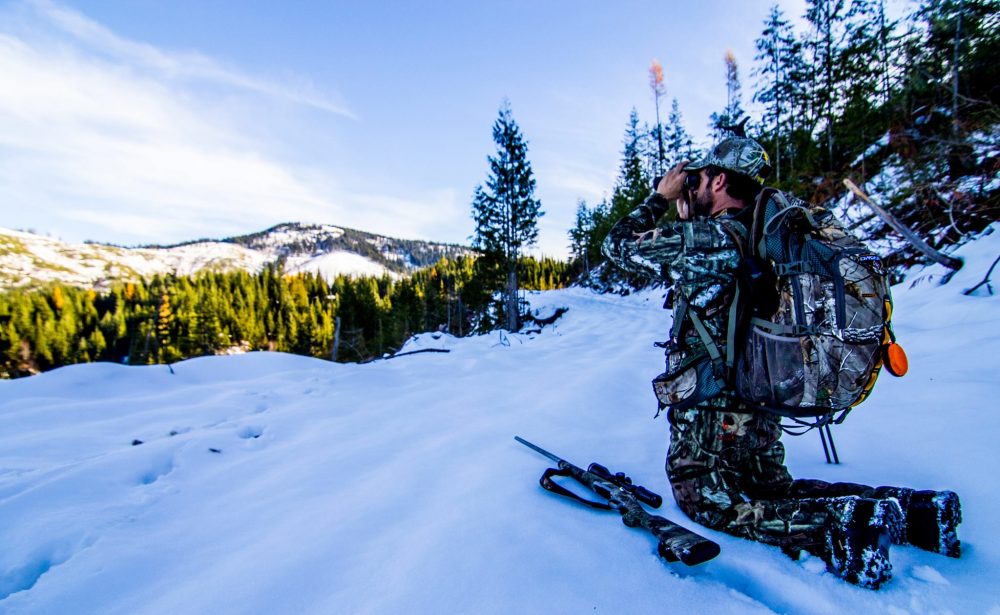
At some point late in the season, a quiet shift happens in a hunter’s mind. Boots still hit the ground. Miles still get walked. But the woods stop being read.
Instead of asking what the landscape is saying, many hunters start assuming it has already said everything it’s going to say.
That mental shift—not weather, not pressure, not lack of deer—is why most hunters quit reading the woods too early.
The Difference Between Walking Through the Woods and Reading Them
Reading the woods requires active attention:
- Comparing what you see to what should be there
- Noticing small deviations
- Asking why something feels off—or right
Late in the season, that process often shuts down.
Hunters keep moving, but observation becomes passive. The brain switches from interpretation to confirmation—looking only for obvious signs that justify decisions already made.
Expectation Collapse Is the Real Problem
Early in the season, hunters expect activity. Late in the season, they expect absence.
Once that expectation sets in, the mind stops scanning for nuance.
Subtle clues—lightly reused beds, angled travel, quiet feeding sign—get filtered out as noise because they don’t match the mental picture of “good sign.”
The woods didn’t go quiet. Expectations did.
Fatigue Narrows the Field of View
Long seasons create mental fatigue long before physical fatigue sets in.
When tired, the brain:
- Scans less
- Assumes more
- Skips interpretation steps
Late-season reading requires more attention, not less. But most hunters unknowingly give it less, assuming there’s nothing new to learn.
The Obvious Sign Bias
Most hunters rely heavily on:
- Clear tracks
- Defined trails
- Fresh rubs
- Visible movement
When these disappear, they assume the deer did too.
Late-season deer rarely leave obvious sign. They leave functional sign—evidence of survival rather than travel. If you’re still looking for loud clues, you’ll miss the quiet ones.
Why “Nothing Changed” Is Almost Never True
A common late-season thought is: This area looks the same as last week.
In reality:
- Wind patterns shift
- Snow structure changes
- Ground hardness alters travel
- Thermal advantage moves by inches
The woods are changing daily. Hunters quit reading when they assume stability.
Scale Mismatch Kills Observation
Early-season reading happens at a landscape scale. Late-season reading happens at a micro scale.
When hunters don’t adjust scale, they miss:
- Small bedding pockets
- Micro-routes
- Short feeding movements
- Repeated use zones
If you’re still reading the woods at a 500-yard scale in January, everything looks empty.
Confidence Can Be the Enemy Late
Experience helps early—but late-season conditions punish autopilot thinking.
Hunters who’ve “seen it all” may stop questioning what they’re seeing. They default to old rules that no longer apply.
Late-season success often belongs to hunters willing to relearn familiar ground.
Reading the Woods Means Letting Go of the Plan
Many hunters stop reading when the plan stops working.
Instead of adapting, they:
- Force old stand locations
- Hunt past sign that doesn’t fit expectations
- Ignore contradictory evidence
Reading requires flexibility. Late-season woods demand it.
What the Woods Are Still Telling You
Even late, the woods speak through:
- Reused bedding depressions
- Snow collapse patterns
- Slightly shifted travel angles
- Directional browse pressure
These clues aren’t exciting—but they’re honest.
They tell you who survived, how they’re surviving, and where the margins are.
The Moment That Separates Readers From Walkers
The difference isn’t skill or gear. It’s the moment a hunter decides whether to stay curious.
Those who keep asking why continue reading the woods long after others have stopped listening.
Final Thoughts
Most hunters don’t quit because the woods go silent.
They quit because listening becomes harder—and patience wears thin.
The woods never stop communicating. They just stop shouting.
If you stay willing to read carefully, late season becomes one of the most revealing chapters of the year.
