
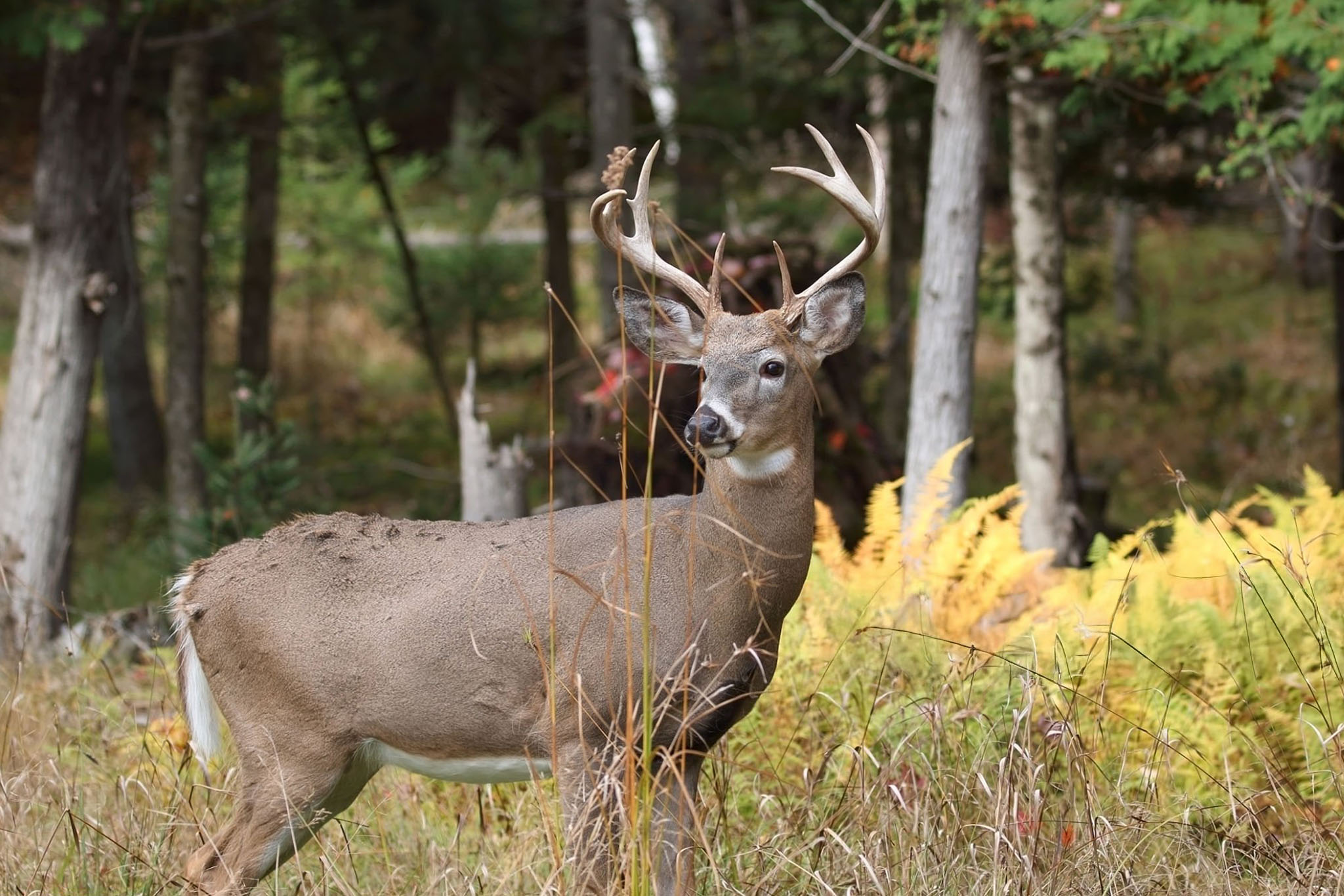
By late winter, many hunters assume deer movement has lost all structure. Tracks zigzag without pattern, trails seem to dead-end, and sightings come at unexpected times. To the untrained eye, it looks like deer are simply wandering.
They aren’t.
Late-winter deer movement follows a different logic system—one shaped by energy conservation, learned risk, and narrow behavioral margins. When viewed through a fall-season lens, it looks random. When viewed correctly, it’s one of the most predictable phases of the year.
Late-Winter Movement Is Compressed, Not Scattered
One of the biggest mistakes hunters make is assuming fewer visible patterns means less structure. In reality, structure increases—but within a much smaller footprint.
Late-winter deer:
- Travel shorter distances
- Reuse micro-routes instead of long corridors
- Move with purpose inside tight zones
Instead of crossing a property, deer may shift just 50–150 yards between bedding, staging, and feeding. To someone scanning wide areas, movement disappears. To someone zoomed in, it becomes repetitive.
Deer Switch From Path-Based Travel to Area-Based Movement
During fall, deer rely on defined trails. By late winter, those trails often fade in importance.
Why?
- Snow alters footing
- Repeated pressure teaches avoidance
- Energy cost favors flexibility
Instead of walking the same line every day, deer move within small areas, adjusting step by step based on snow texture, wind, and visibility. Tracks spread, intersect, and overlap—creating the illusion of chaos.
In truth, deer are staying inside safe zones and adjusting movement within them.
Movement Timing Becomes Conditional, Not Scheduled
In early season, deer movement often aligns with predictable windows—dawn and dusk. Late winter breaks that rule.
Movement now depends on:
- Solar warmth
- Wind exposure
- Snow firmness
- Human silence
This is why deer might move at noon one day and stay bedded until dark the next. To the untrained observer, that feels random. But it’s actually reactive timing, driven by micro-conditions that change daily.
Missed Sightings Skew Perception
Late winter reduces visibility without reducing presence.
- Deer move slower
- They pause more
- They hold tighter to cover
- They often stop before entering open areas
Hunters may glass a field for hours and see nothing, then spot a deer standing 20 yards inside cover for five minutes before vanishing again.
Because movement is quieter and shorter, people overestimate absence.
Snow Tracks Tell Stories—But Not the Whole One
Snow can be misleading.
- Multiple tracks don’t mean multiple deer
- Crisscrossing doesn’t mean confusion
- Sparse tracks don’t mean low use
Late-winter deer often reuse the same areas without creating obvious trails. They step around crusted patches, skirt ice, and shift daily based on footing.
The result? Tracks that look scattered but actually reflect careful, energy-aware decision making.
Stress History Changes Route Logic
By late winter, deer aren’t responding to current conditions alone—they’re responding to memory.
Every encounter from earlier in the season influences where deer are willing to move. Routes that were safe in November may be avoided completely, even if pressure is gone.
To someone scouting fresh sign, this avoidance looks irrational. In reality, deer are prioritizing proven safety over convenience.
Why Mature Deer Appear the Most “Unpredictable”
Older deer amplify this effect.
Mature bucks in late winter:
- Avoid long travel entirely
- Shift movement by yards, not acres
- Move when conditions align perfectly
They often exist in the same location for days without leaving obvious sign. When they do move, it’s subtle, slow, and often missed.
This is why experienced hunters say, “The deer were there—I just never saw them.”
Pattern Recognition Requires Scale Adjustment
Late-winter movement looks random because most people are looking at the wrong scale.
Instead of asking:
- “Where are deer going?”
You need to ask:
- “Where do deer not need to leave?”
Late-winter patterns aren’t about destinations. They’re about containment.
What This Means for Hunters and Scouters
To read late-winter movement accurately:
- Shrink your focus area
- Look for repeated bedding zones
- Track how movement responds to sun, wind, and snow
- Stop expecting long-distance travel
When you match your expectations to late-winter reality, movement stops looking random—and starts making sense.
Final Thoughts
Late-winter deer movement isn’t chaotic. It’s compressed, conditional, and cautious.
It looks random only to those still searching for fall patterns.
Once you learn to read movement at the right scale and under the right conditions, late winter becomes one of the most revealing—and predictable—times to understand deer behavior.
