
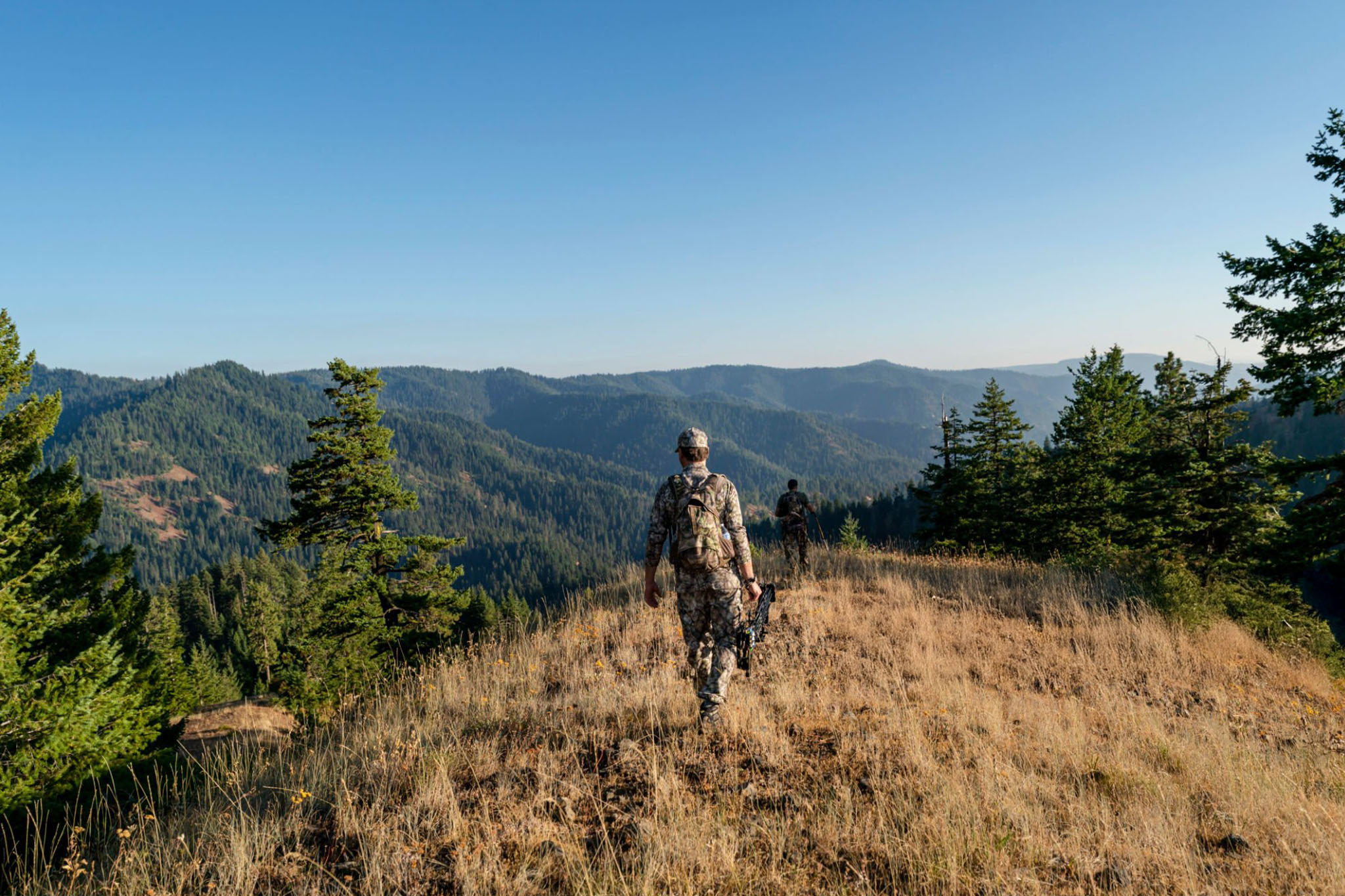
Late in the season, many hunters double down on food sources. Standing corn, leftover acorns, and winter browse become the center of attention. Yet year after year, some of the best late-season hunts happen far from the best groceries.
The reason is simple: by late season, terrain controls survival, and survival controls movement. Food still matters—but only after terrain requirements are met.
1. Late Season Is About Risk Management, Not Calories Alone
By the time winter tightens its grip, deer—especially mature ones—are no longer willing to trade safety for nutrition.
Late-season priorities shift to:
- Minimizing exposure to wind and cold
- Limiting travel distance
- Avoiding repeated pressure
Food sources that require crossing open ground or exposed terrain get used only under ideal conditions, often after dark.
Terrain that reduces risk gets used every day.
2. Terrain Dictates When Food Is Even Accessible
A food source is only valuable if a deer can reach it safely.
Late in the season:
- Steep slopes, creek crossings, and open flats become barriers
- Deep snow funnels movement into the easiest travel routes
- Frozen ground changes footing preferences
Terrain decides which food sources remain usable, not the other way around.
3. Bedding Locations Anchor Late-Season Movement
Late-season deer movement radiates from bedding, not feeding.
Prime late-season bedding terrain typically offers:
- Solar exposure during daylight
- Wind protection from prevailing winter winds
- Visual advantage over approaching danger
Food is chosen based on proximity to these beds, even if better options exist farther away.
4. Terrain Compresses Movement Into Predictable Lanes
As conditions worsen, deer movement becomes more concentrated.
Terrain features that consistently shape late-season travel include:
- Benches and side hills
- Leeward ridges
- Drainage edges and ditch lines
These features reduce energy expenditure and exposure. Food sources located along these lanes get used far more consistently than isolated hotspots.
5. Pressure Magnifies the Role of Terrain
Late-season deer are carrying the memory of months of pressure.
Terrain that allows deer to:
- Detect danger early
- Escape without panic
- Avoid human access
Becomes exponentially more valuable than food alone.
This is why overlooked terrain often outperforms well-known feeding areas late in the year.
6. Snow and Ice Reset the Landscape
Snow cover doesn’t just hide food—it redefines movement.
With snow on the ground:
- Deer favor hard edges over soft drifts
- Elevation changes become travel guides
- Wind-sheltered corridors see repeated use
Food that looks ideal on a map may be functionally unreachable once winter sets in.
7. Mature Deer Are Terrain Specialists
Older deer understand terrain intimately.
They rely on:
- Subtle elevation shifts
- Minor cover transitions
- Natural bottlenecks
These features allow them to move with minimal exposure. Food sources outside these systems are treated cautiously, regardless of quality.
8. Terrain Determines Daylight Opportunity
Late-season daylight movement is scarce.
When it happens, it almost always occurs:
- Along secure terrain edges
- Within short distances of bedding
- Under favorable weather conditions
Food sources without terrain security rarely produce legal daylight movement late in the season.
9. Late-Season Hunters Win by Hunting How Deer Travel, Not Where They Eat
Successful late-season strategies focus on:
- Entry and exit routes
- Thermal cover transitions
- Natural funnels between bedding and food
Rather than sitting directly over food, smart hunters position where terrain forces movement—even if that movement is brief.
10. Terrain Knowledge Carries Into Future Seasons
Understanding late-season terrain use provides insight that lasts beyond winter.
These same features often:
- Shape early-season buck travel
- Influence rut movement under pressure
- Reveal overlooked stand locations
Terrain never stops mattering—food just changes.
Final Thoughts
Late-season success isn’t about finding the best food source. It’s about understanding how terrain limits options when conditions are hardest.
Food attracts deer.
Terrain decides whether they can get there safely.
Hunters who prioritize terrain stop chasing sign and start intercepting movement—and that’s the difference between late-season frustration and late-season success.
