
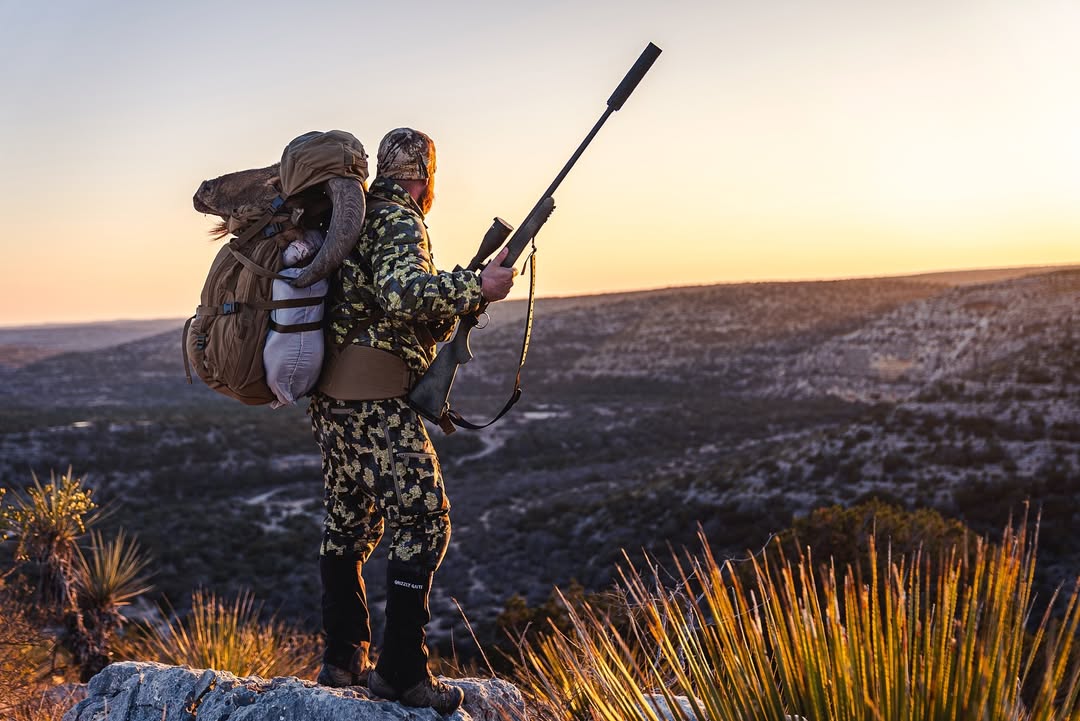
Winter hunts can test even the most experienced hunters. During prolonged cold spells, the woods often fall silent, and deer activity seems minimal. The challenge of a quiet forest isn’t just physical—it’s a mental game. Understanding why deer slow down and how to maintain patience during these periods can be the difference between a frustrating trip and a successful hunt.
Why the Woods Go Quiet in Cold Weather
Deer are masters of energy conservation. When temperatures plummet:
- Movement Is Minimal: Deer reduce unnecessary travel to preserve energy. Expect shorter treks between bedding areas and feeding zones.
- Bedding Patterns Change: Bucks and does seek out thermal cover—dense conifers, south-facing slopes, and thick brush that provide shelter from wind and snow.
- Feeding Becomes Targeted: Instead of roaming widely, deer focus on high-energy food sources, often returning to the same patches repeatedly.
This behavior means that even when the woods feel empty, deer are present—they’re just moving with purpose and efficiency.
Signs of Life in a Silent Forest
A quiet forest doesn’t mean there’s nothing to see. Look for subtle cues:
- Compressed Trails: Repeated deer movement along the same routes creates narrow, compact tracks through snow.
- Fresh Bedding Areas: Flattened spots in dense brush or conifers indicate where deer have rested recently.
- Vegetation Disturbances: Bite marks on evergreen branches, nibbled shrubs, and scattered corn residues reveal feeding patterns.
- Scents: Even faint deer odors can indicate nearby bedding or feeding activity. Wind direction plays a huge role in detecting these subtle signs.
Strategies for Patience During Cold Hunts
Patience is more than waiting—it’s proactive observation and positioning. Consider the following approaches:
- Choose Thermal Over Visual Cover: During deep cold, deer prioritize warmth over stealth. Stands near dense conifers or brush provide better opportunities than those focused solely on visibility.
- Adjust Hunting Times: Cold slows deer activity. Midday movement often surpasses traditional dawn or dusk windows during extended freezes.
- Keep Entry and Exit Quiet: Deer are hyper-sensitive in winter. Use hidden corridors and wind awareness to avoid detection.
- Use Trail Cameras: Cameras can reveal subtle activity patterns that aren’t visible from the stand. Knowing when deer are likely to move reduces unnecessary anxiety.
- Focus on Patterns, Not Numbers: Even a single deer moving predictably can lead to a successful hunt. Avoid obsessing over large groups or continuous activity.
Mental Tips for the Silent Hunt
The quiet forest can erode confidence. Hunters need a strong mental game:
- Set Realistic Expectations: Understand that winter hunts often involve long periods of inactivity.
- Observe, Learn, and Adapt: Use each quiet moment to study tracks, bedding areas, and environmental changes.
- Stay Warm and Comfortable: Physical discomfort accelerates frustration. Layered clothing, hand warmers, and insulated seats help maintain focus.
- Celebrate Small Wins: A fresh track, a glimpse of movement, or a newly discovered bedding area can be as valuable as a harvest.
The Reward of Patience
The woods may go quiet, but the hunter who remains patient often gains the greatest advantage. Cold-weather deer hunts reward those who understand the subtle patterns of winter movement and embrace the slow rhythm of the forest. By combining careful observation, strategic positioning, and mental discipline, hunters can turn silent woods into opportunities.
