
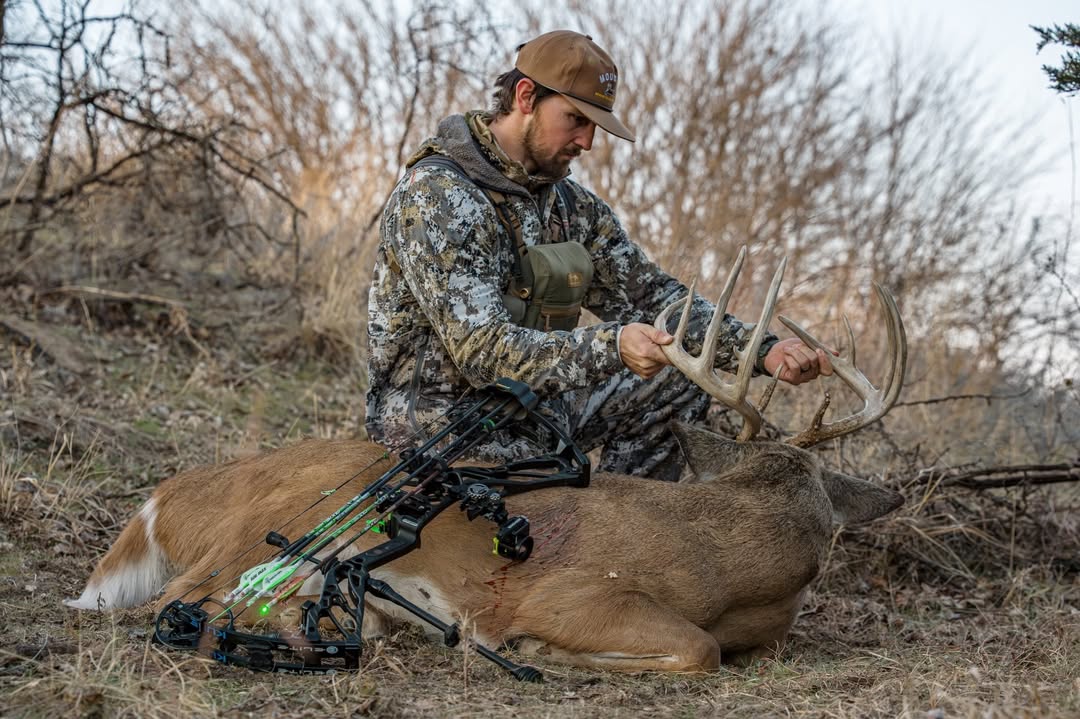
As the hunting season winds down and winter deepens, many hunters focus obsessively on fresh tracks. While tracks can provide useful information, relying on single signs often leads to missed opportunities. In late-season hunting, the real gold lies in sign clusters—the patterns formed by multiple tracks, scrapes, rubs, and other deer activity. Understanding these clusters can give hunters a significant advantage when deer are cautious, predictable, and energy-focused.
The Limitations of Individual Tracks
Late-season deer are in survival mode. After months of pressure from hunters, predators, and harsh winter conditions, their behavior changes:
- Conservation over exploration: Deer travel shorter distances and avoid unnecessary exposure.
- Track ambiguity: Single tracks can be days old, partially obscured by snow, or easily misread.
- False positives: Not every fresh track indicates a high-probability area; sometimes a lone track is just a wandering deer.
While tracks are important, relying solely on one or two prints can create a misleading picture of deer movement.
Why Sign Clusters Provide a Fuller Picture
Sign clusters are concentrations of activity in a particular area. These can include:
- Multiple tracks converging along a travel corridor
- Frequent rubs and scrapes on trees or brush
- Bedded areas with flattened vegetation
- Browse marks near feeding zones
These clusters reveal consistent deer behavior over time, helping hunters understand where deer are spending energy and which areas are core movement zones.
Key Benefits of Sign Clusters
- Predictability of Movement
Deer patterns become more routine as winter progresses. Sign clusters indicate established paths and bedding-to-feeding transitions, making it easier to anticipate movement. - Confirmation of High-Use Areas
A single rub might not indicate consistent use, but several scrapes and rubs in one zone confirm frequent traffic. - Energy-Conservation Zones
Late-season deer prioritize low-energy travel. Clusters often reveal where deer pause, bed, or feed efficiently, highlighting prime hunting spots.
How to Identify and Interpret Sign Clusters
- Focus on Travel Corridors
Look for multiple overlapping tracks heading in the same direction, often along ridge lines, creek bottoms, or fence lines. - Combine Different Types of Sign
Don’t just follow tracks. Rubs, scrapes, and bed sites in proximity form a behavioral mosaic, showing how deer move, rest, and feed. - Time Your Observation
Clusters can indicate frequent use even if the tracks are not fresh. Observing patterns over several days is more telling than chasing the latest print. - Prioritize Intersections
Areas where multiple clusters converge—like a bedding area leading to multiple feeding zones—are high-value ambush points.
Applying This Knowledge in Late-Season Hunts
- Stands and Blinds: Position yourself near convergence zones rather than random single tracks.
- Movement Timing: Deer will move predictably between bed and feeding clusters; anticipate early morning or late afternoon runs.
- Minimize Pressure: Targeting clusters means you can hunt strategically, reducing unnecessary disturbance and increasing success rates.
Final Thoughts
In late-season hunting, individual tracks are clues, but clusters are the story. By reading clusters instead of chasing lone signs, hunters can uncover deer patterns that survive months of pressure, identify the most reliable ambush areas, and maximize their odds during the toughest part of the season.
Remember, the most successful late-season hunters aren’t the ones who spot the newest track—they’re the ones who understand the full picture of deer activity. Sign clusters provide that picture, turning quiet winter woods into predictable hunting terrain.
