
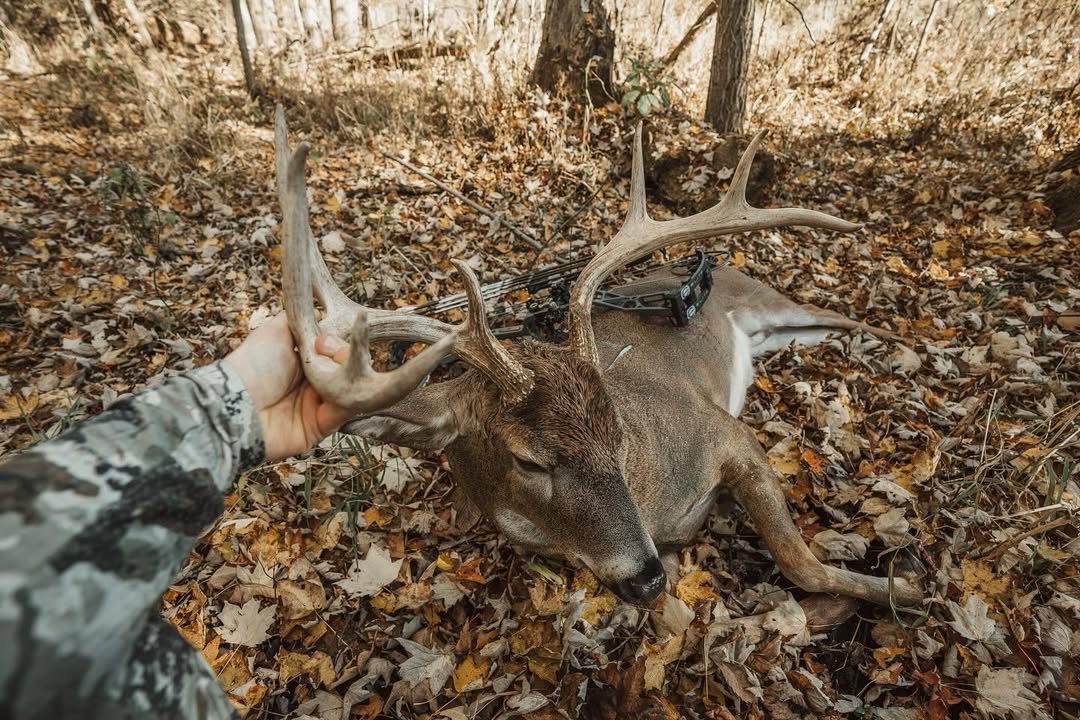
Winter doesn’t just test deer with cold and limited food—it forces them to live under constant threat. As vegetation thins and daylight movement becomes riskier, predators gain an advantage. Coyotes, wolves, bobcats, mountain lions, and even feral dogs quietly reshape how deer move, where they travel, and when they feel safe enough to expose themselves.
For hunters paying attention, predator pressure leaves behind predictable movement changes that are often more reliable than weather alone.
Predator Pressure Peaks When Deer Are Weakest
Winter is when deer are most vulnerable. Fat reserves are low, movement is slower, and snow limits escape routes. Predators understand this and shift their own behavior accordingly.
In response, deer:
- Reduce unnecessary movement
- Stay closer to escape cover
- Travel in ways that minimize detection
Predator presence doesn’t just influence deer—it dictates their daily survival strategy.
Why Deer Start Traveling in Groups During Winter
One of the clearest winter shifts is herd movement. Deer that were comfortable traveling alone during fall often regroup in winter.
This behavior serves multiple purposes:
- More eyes and ears to detect danger
- Shared trails that pack snow for easier travel
- Increased confidence in open areas during daylight
Predators force deer to rely on numbers, and this group behavior dramatically alters traditional travel patterns.
How Predators Push Deer Toward Open Terrain
It sounds counterintuitive, but winter predators often push deer out of thick cover and into more open areas.
Why?
- Open ground improves visibility
- Deer can spot approaching predators earlier
- Wind carries scent better in exposed areas
Dense brush that once felt safe becomes dangerous when predators can ambush at close range. Deer adapt by choosing visibility over concealment.
Night Movement Expands as Predator Patterns Shift
Predators don’t hunt randomly. Coyotes and wolves often increase daylight movement in winter, especially during cold snaps when prey is sluggish.
In response, deer:
- Delay movement until late morning or early afternoon
- Shift feeding activity closer to bedding areas
- Limit long-distance travel entirely
This explains why winter deer movement often becomes short, sharp, and tightly timed.
Predator Travel Routes Become Deer Avoidance Zones
Predators use consistent travel routes—frozen creek beds, logging roads, fence lines, and ridgelines. Deer quickly identify these paths and adjust.
Signs deer are avoiding predator corridors include:
- Trails that abruptly stop or detour
- Sudden sidehill movement away from low ground
- Increased use of crosswinds to monitor scent
Hunters who unknowingly set up along predator routes may be sitting over empty woods.
How Snow Magnifies Predator Influence
Snow amplifies everything. Tracks reveal predator presence clearly, and deer react almost immediately.
Deep snow favors predators with longer legs and group hunting tactics. Deer respond by:
- Selecting packed or windblown routes
- Avoiding deep drifts even if food is present
- Staying on slopes that allow downhill escape
The deeper the snow, the more cautious and calculated deer movement becomes.
Bedding Areas Shift Based on Predator Access
Winter bedding areas are chosen less for comfort and more for defensibility.
Deer favor locations that offer:
- Multiple escape routes
- Downwind visibility
- Hard edges predators struggle to cross
This often pulls deer into unexpected bedding zones—small rises, narrow ridges, or isolated timber pockets that hunters overlook.
Predator Density Creates Regional Movement Differences
In areas with minimal predator pressure, deer may maintain traditional winter patterns. In regions with heavy coyote or wolf presence, movement becomes far more conservative.
High predator pressure leads to:
- Reduced daylight travel
- Shorter feeding windows
- Increased use of human-adjacent spaces
Deer quickly learn where predators avoid and adjust accordingly.
How Hunters Can Use Predator Sign to Predict Deer Movement
Predator sign is often more valuable than deer sign in winter.
Key indicators include:
- Fresh predator tracks crossing deer trails
- Concentrated scat near food sources
- Howling activity that coincides with movement drop-offs
When predator activity spikes, deer movement compresses into safer, narrower timeframes—prime interception opportunities for hunters who adapt.
Final Thoughts
Winter predators don’t scatter deer—they reshape their world. Every movement becomes deliberate, every route chosen with survival in mind. Hunters who understand predator-driven behavior stop guessing and start predicting.
In late season, the best deer patterns aren’t created by food or weather alone. They’re forged under pressure—and predators apply it every single day.
