
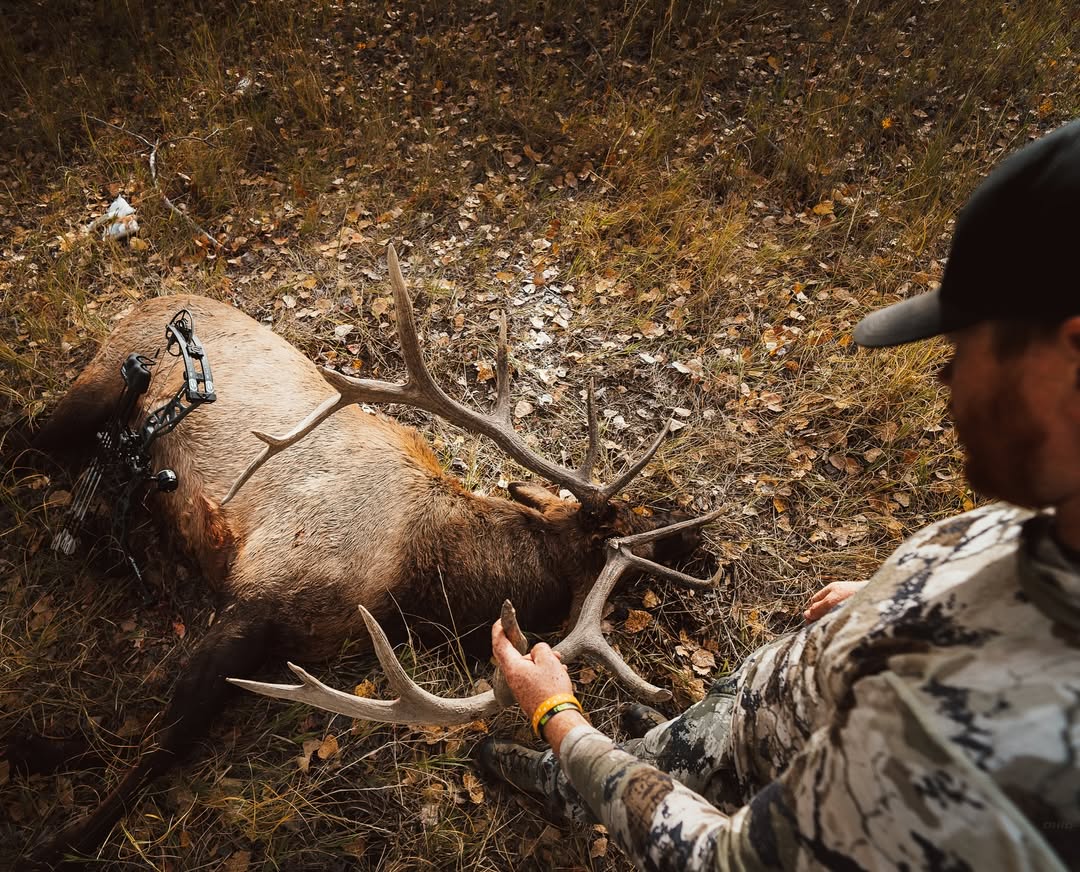
By late January, the woods feel empty. The trucks are gone, boot tracks are frozen solid, and most hunters have already tagged out—or given up. But the season isn’t truly over. What’s left now are the hardest deer to hunt all year: the bucks that survived everything.
These “leftover” bucks didn’t make it this far by luck. They adapted. They learned. And if you hunt them like it’s November, you’ll never see them. Late-season success comes from understanding how these deer changed—and adjusting your strategy accordingly.
What Makes a Leftover Buck Different?
A buck that survives the entire season behaves nothing like a rut-driven November deer. By January, survival—not breeding—is the only priority.
These bucks typically share a few traits:
- Extreme daylight caution
- Short, deliberate movement windows
- Tight bedding near food or security cover
- Zero tolerance for repeated pressure
They’ve already encountered hunters, heard gunshots, smelled human scent, and watched other deer disappear. Every move they make is calculated.
Food Is Still the Key—But Not the Way You Think
Yes, late-season bucks still need calories. But leftover bucks rarely expose themselves in wide-open food sources during daylight.
Instead of hunting the center of a cornfield or food plot, focus on:
- The final 20–50 yards before cover
- Secondary food sources others ignore
- Food accessed only during low-risk conditions
Look for:
- Standing corn edges tucked against timber
- South-facing browse lines where snow melts first
- Mast leftovers in overlooked timber pockets
- Livestock edges or brushy fencerows holding green growth
A mature survivor buck often feeds just enough before slipping back into cover—sometimes without ever stepping into the open.
Bedding Is Closer Than You Think
One of the biggest mistakes hunters make in late season is assuming deer are bedding “deep” or far away. Leftover bucks often bed closer to food than expected, but in locations that offer:
- Thermal advantage
- Wind control
- Visual security
Key bedding features to focus on:
- South-facing slopes
- Leeward ridges during cold winds
- Thick brush pockets near food
- Overgrown ditch lines or CRP edges
These bucks don’t want to travel far. Every step costs energy, and every move increases risk.
Movement Windows Shrink—but Become More Predictable
Survivor bucks move less—but they move more consistently. Late-season daylight movement often happens during:
- Late morning warm-ups
- Early afternoon temperature peaks
- Calm days following severe cold
Instead of hunting all day blindly, watch for repeatable patterns tied to weather. A 5-degree temperature increase after multiple bitter days can flip a switch.
Patience beats aggression here. The buck may only move once—but he’ll often do it the same way.
Entry and Exit Matter More Than Stand Location
At this point in the season, how you access a stand matters more than where it is.
Leftover bucks know:
- Where hunters usually walk
- Which trails carry human scent
- Which access points spell danger
Late-season access rules:
- Avoid crossing feeding routes at all costs
- Use frozen ground or snow to minimize noise
- Enter from downwind even if it means longer walks
- Hunt fewer stands—but hunt them cleaner
One blown entry can ruin weeks of careful positioning.
Pressure Creates Opportunity—If You Read It Correctly
Most hunters pressure the same obvious locations all season. Survivor bucks often live just outside these zones.
Look for:
- Small parcels hunters skip
- Corners of public land far from parking
- Awkward terrain others avoid
- Narrow strips between pressure zones
These deer thrive where hunters don’t want to go.
Mental Discipline Wins Late Season
Late-season hunting tests patience more than skill. Long sits, cold fingers, and empty woods push hunters to make bad decisions.
Survivor bucks capitalize on impatience.
If you:
- Leave early
- Move stands too often
- Hunt marginal winds
- Force movement instead of waiting
—you’re helping the buck survive another year.
Final Thoughts: The Season Isn’t Over—It’s Refined
Hunting leftover bucks isn’t about covering ground or chasing sign. It’s about precision, restraint, and understanding survival behavior.
These bucks don’t make mistakes often. But when they do, it’s usually because:
- Weather forces them to move
- Hunger overrides caution
- A hunter finally matches their discipline
Late January doesn’t reward effort—it rewards correct decisions.
And when you tag a buck that survived the entire season, it means more. Because you didn’t beat him with luck.
You beat him by thinking like he does.
