
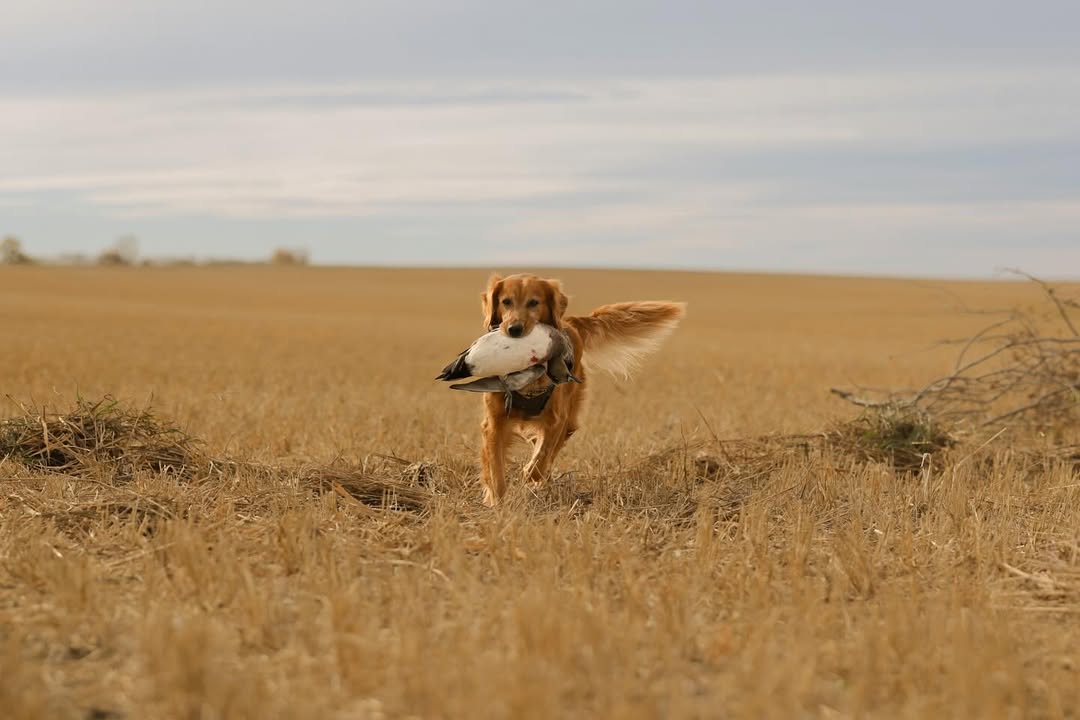
Hunting during the coldest months of the year in the U.S. requires more than just skill and patience—it demands proper clothing strategy. Layering is not merely a convenience; it’s essential for staying warm, dry, and mobile during full-day winter hunts. From early morning frost to midday thaw and evening chills, the right combination of layers ensures comfort, focus, and safety.
This guide dives into effective layered clothing systems, how to adjust them for changing conditions, and tips to maximize performance during long winter hunts.
Why Layering Matters in Winter Hunts
Late winter hunting presents extreme conditions: sub-freezing temperatures, snow, wind, and moisture from frozen terrain. Layering allows hunters to:
- Trap heat effectively while allowing airflow
- Regulate body temperature as activity levels change
- Protect against wind and moisture without sacrificing mobility
- Reduce fatigue caused by cold muscles and stiff joints
Unlike bulky single-piece clothing, layered systems adapt to fluctuating weather, ensuring comfort from pre-dawn to dusk.
The Three-Layer System
Most professional hunters rely on a three-layer strategy: base layer, insulation layer, and outer shell. Each layer serves a distinct purpose.
1. Base Layer: Moisture Management
- Purpose: Wicks sweat away from skin to prevent chilling.
- Materials: Merino wool or synthetic fabrics like polyester.
- Tips:
- Avoid cotton; it traps moisture and accelerates heat loss.
- Choose snug-fitting tops and bottoms to retain heat while allowing movement.
- Long underwear with flat seams reduces friction during long hikes or stand climbing.
2. Insulation Layer: Heat Retention
- Purpose: Retains body heat while allowing moisture to escape.
- Materials: Fleece, down, or synthetic fill (Primaloft, Thinsulate).
- Tips:
- Opt for lightweight, compressible pieces for easy packing and layering.
- Fleece jackets and vests are ideal for mid-morning and midday hunting when you may remove outer layers.
- Ensure insulation covers the core areas: chest, back, and torso—extremities will rely on gloves and headgear.
3. Outer Layer: Weather Protection
- Purpose: Shields from wind, rain, snow, and ice.
- Materials: Waterproof and breathable fabrics (Gore-Tex, eVent).
- Tips:
- Use quiet, matte finishes to avoid alerting deer with noise or shine.
- Adjustable hoods and ventilation zippers allow fine-tuning during active movement or when sitting in a tree stand.
- Consider a long coat or hunting parka for extended cold hunts, especially in open fields or exposed ridges.
Accessory Layers: Extremities Matter
Head
- Wool or synthetic beanies trap heat efficiently.
- Balaclavas or neck gaiters protect face and neck from windburn.
- Avoid hats that impair peripheral vision in tree stands.
Hands
- Layer thin liner gloves under insulated mittens for dexterity when shooting.
- Removable outer gloves allow bow or firearm operation without exposing skin.
Feet
- Moisture-wicking socks (merino wool) are essential; avoid cotton.
- Consider double layering with a thin liner sock and thick insulated sock for long treks.
- Waterproof boots with breathable membranes prevent frostbite during snow or slush exposure.
Layering Adjustments During the Hunt
Even with perfect layers, weather changes require active management:
- Pre-dawn cold: Use full insulation and outer shell; hands and feet fully protected.
- Mid-morning warming: Vent outer layers or remove hat/gloves to prevent sweating.
- Midday activity: Insulation layer may suffice; base layer continues moisture control.
- Late afternoon freeze: Reapply outer shell and gloves; head and neck fully covered.
Pro Tip: Keep a small pack with spare gloves, hats, and a lightweight fleece for on-the-fly adjustments during long sits.
Additional Tips for Full-Day Comfort
- Test Your System in Advance
- Practice a 4–6 hour hike or stand session in similar conditions to fine-tune layer combinations.
- Prioritize Breathability
- Sweating excessively under layers can chill you faster than the cold itself.
- Avoid Overpacking
- Too many layers reduce mobility; stick to versatile, compressible pieces.
- Silent Materials
- Choose fabrics that won’t rustle while moving through brush or climbing stands.
- Hydration and Nutrition
- Warm beverages in thermoses and high-energy snacks help maintain body temperature and stamina.
Conclusion
Hunting in full-day winter conditions demands careful preparation, and layered clothing strategies are critical for success. By combining moisture-wicking base layers, insulated mid-layers, and weatherproof outer shells, hunters can remain warm, dry, and agile in January snowfields or February frosts.
When paired with proper head, hand, and foot protection—and actively adjusting layers as temperatures change—you maintain focus, reduce fatigue, and increase your chances of spotting and harvesting elusive deer.
In late winter hunts, the right clothing system isn’t just comfort—it’s a tactical advantage that keeps you in the field longer and more alert from first light to last.
