
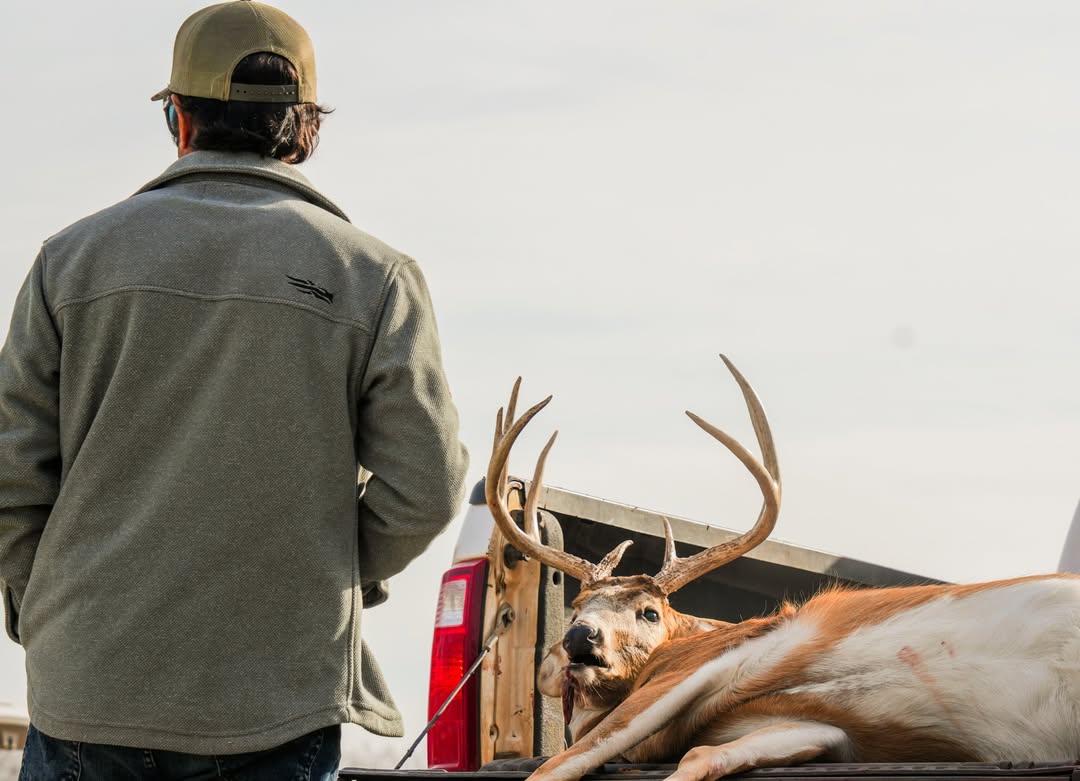
January marks the tail end of the deer rut in much of the U.S., and this period presents both challenges and opportunities for hunters. While the pre-rut and peak rut often bring bucks into predictable movement patterns, late winter bucks are elusive, selective, and more conservative in their habits. Understanding late winter rut behavior, terrain preferences, and environmental cues is essential for a successful January hunt.
This guide provides hunters with strategies to locate, anticipate, and capitalize on late rut activity.
Understanding the Late Winter Rut
The late winter rut, sometimes referred to as the secondary rut, occurs after peak breeding periods. During this time:
- Mature bucks may be recovering from energy loss sustained during the main rut.
- Younger bucks and late-breeding does may still be in estrus, creating sporadic movement.
- Food scarcity due to winter conditions often overrides rut-driven behavior, causing deer to travel longer distances in search of both mates and nutrition.
Recognizing these patterns helps hunters identify where and when bucks are most likely to appear.
1. Bucks Focus on Energy Conservation
Late winter bucks are energy-conscious:
- They prefer sheltered bedding areas with minimal exposure to wind and cold.
- South-facing slopes and natural windbreaks become preferred resting spots.
- Movement is often short and deliberate, primarily during low-light periods such as dawn and dusk.
Hunting Tip: Position stands or blinds near bedding-to-feeding corridors, but ensure you stay downwind and minimize disturbance to these energy-saving zones.
2. Feeding Patterns Dictate Movement
Food scarcity in January significantly influences rut patterns:
- Bucks often follow does to remaining food sources.
- Deer will concentrate near natural browse, evergreen patches, and fields with residual mast like acorns or nuts.
- Frozen or snow-covered areas can force deer into predictable microclimates where forage is accessible.
Hunting Tip: Scout for subtle signs such as lightly trampled snow, scrape marks, or twigs broken from browsing to pinpoint active feeding zones.
3. Scrapes and Rubs Are Still Useful, But Less Predictable
- Late rut bucks continue to mark territory and track does, but patterns are more sporadic than during the peak rut.
- Scrapes may appear farther apart and often near bedding areas rather than travel corridors.
- Fresh rubs can indicate a buck moving nearby, but don’t rely solely on them for stand placement in January.
Hunting Tip: Use rubs as supplemental information to microclimate and feeding data rather than primary indicators.
4. Temperature and Snow Influence Movement
Weather directly affects deer activity:
- Cold snaps often push bucks to south-facing slopes, thickets, or areas sheltered by terrain features.
- Snow accumulation can funnel movement along accessible trails or frozen creek crossings.
- Milder days may encourage slightly longer movements in search of food and mates.
Hunting Tip: Adjust hunting times and stand locations based on weather patterns. Mid-morning or late afternoon hunts can be more productive if snowpack and temperatures concentrate deer in smaller areas.
5. Microclimate Mapping for January Bucks
Late winter deer gravitate to areas that provide thermal relief and easy food access:
- Look for wind-protected pockets in valleys or south-facing slopes.
- Monitor areas with thawed soil patches or exposed vegetation where deer can feed with minimal energy expenditure.
- Pair microclimate observations with traditional deer sign to identify potential stand sites.
Hunting Tip: Even slight temperature differences of 2–4°F between sheltered and exposed spots can make a significant difference in where bucks choose to bed or feed.
6. Stand Placement Strategies
Effective stand placement is critical during late winter hunts:
- Near bedding-to-feeding corridors: Allows encounters during movement between warm beds and feeding areas.
- Downwind of anticipated paths: Late rut bucks are highly alert and sensitive to scent.
- Elevated or camouflaged stands: Enhance visibility while minimizing detection.
- Backup locations: Late rut bucks can be unpredictable; multiple stand options increase hunting success.
7. Tracking Bucks for Success
- Use trail cameras to monitor activity around potential microclimates and feeding areas.
- Record movement times, travel paths, and scrape/rub activity for pattern recognition.
- Adjust hunting tactics weekly; late winter bucks may shift areas in response to weather and forage availability.
Hunting Tip: Patience is essential—success in January often comes from observing deer for several days before committing to a stand location.
Conclusion
Catching late winter bucks in January requires an understanding of energy conservation, sporadic rut behavior, and microclimate influence. While movement is less predictable than during the peak rut, hunters who scout diligently, map microclimates, and strategically position stands along bedding-to-feeding corridors increase their chances of encountering mature bucks.
By respecting deer energy needs, monitoring environmental cues, and adapting tactics to cold winter conditions, January hunting can still produce memorable and productive experiences. The key to success is patience, observation, and precision timing.
