
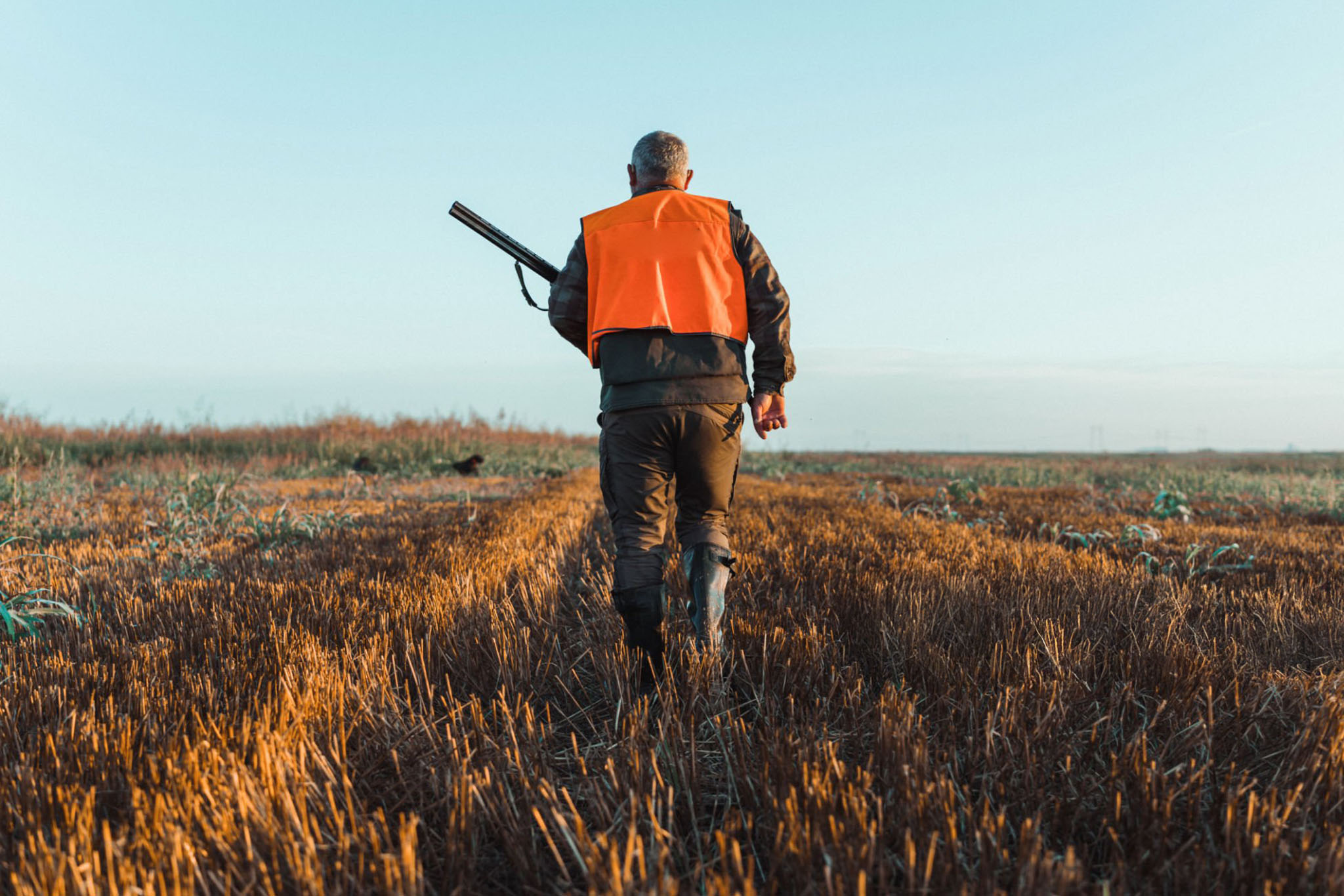
Hunting during the dead of winter presents unique challenges for every serious outdoorsman. Cold temperatures, wet snow, and slushy conditions can turn a promising stand into a test of endurance. Yet, with the right gear and smart tactics, hunters can not only survive but thrive during these harsh months. This guide breaks down the essentials for staying warm, dry, and effective in a winter hunting stand.
1. Understanding the Slushy Stand Challenge
January and February are often the coldest months in many U.S. hunting regions. During this period:
- Snow becomes wet and heavy, creating slushy ground conditions.
- Temperatures hover near freezing, causing rapid temperature swings throughout the day.
- Deer and other game species alter movement patterns, often staying in sheltered bedding areas or feeding at midday instead of dawn and dusk.
Key Insight: Success in slushy conditions depends not only on where you hunt, but how you prepare your body, clothing, and gear for the environment.
2. Essential Winter Hunting Gear
A. Layering for Warmth
Winter hunting is all about layers. Proper layering keeps your core warm without restricting movement:
- Base Layer: Moisture-wicking thermal underwear to keep skin dry. Avoid cotton.
- Mid Layer: Insulating fleece or wool to trap heat.
- Outer Layer: Waterproof and windproof shell, preferably breathable, to protect against slush and wind.
Pro Tip: Opt for camouflaged outer layers that blend with winter landscapes—brown, gray, and muted green patterns work best.
B. Footwear
Slushy snow can soak your boots quickly, risking frostbite or cold stress:
- Waterproof insulated boots with thick soles for traction.
- Wool socks or high-tech synthetic blends for warmth and moisture control.
- Optional: Gaiters to prevent snow from entering boots during walking.
C. Gloves and Hand Warmers
Hands are most vulnerable in freezing, wet conditions:
- Layered gloves: Thin liner gloves for dexterity under insulated outer gloves.
- Chemical hand warmers for long sits.
- Waterproof mitten shells for extreme slush or snow.
D. Seat and Stand Protection
Slushy ground can ruin a hunting stand if precautions aren’t taken:
- Use a waterproof seat cushion to stay dry while sitting.
- Consider portable tree stand pads or insulated foam seats.
- Tree stands with footrests or platforms help keep feet above slush, improving comfort and circulation.
E. Hunting Accessories
- Binoculars and rangefinders: Fog-resistant models perform best in wet winter conditions.
- Scent control sprays and cover scents: Cold, wet air carries odors differently; apply strategically.
- Slush-proof shooting sticks: Provide stability without sinking into snow or mud.
3. Winter Hunting Tactics for Slushy Conditions
A. Timing Adjustments
- Deer may shift feeding to mid-morning or early afternoon when temperatures rise above freezing.
- Track fresh sign in the morning before snow becomes slushy or frozen.
B. Approach and Entry
- Walk on frozen crusts or natural ridges to avoid slushy trails that create noise.
- Limit repeated approaches to the same stand in slush, as soft snow retains tracks and spooks deer.
C. Stand Placement
- Select locations on elevated or well-drained ground to avoid water pooling.
- South-facing slopes warm faster, attracting deer earlier in the day.
- Near winter food sources like mast trees, browse edges, or frozen water access points.
D. Staying Stealthy
- Wet snow amplifies sound; move slowly and deliberately.
- Avoid overstepping or breaking branches; snow-covered twigs crack loudly.
- Minimize metal on metal noise from gear or tree stands in damp conditions.
4. Nutrition and Hydration in Winter Hunting
Winter hunts can last longer due to slower game movement:
- High-calorie snacks like nuts, jerky, or energy bars keep metabolism high.
- Warm liquids in an insulated thermos help maintain core temperature.
- Electrolytes prevent fatigue and muscle cramps during prolonged cold exposure.
5. Safety Considerations
- Always check weather forecasts: Slush can turn into ice or heavy snow rapidly.
- Keep a cell phone or GPS device accessible; snowdrifts can disorient even experienced hunters.
- Avoid sitting in waterlogged areas for long periods to prevent hypothermia.
- Inform someone of your hunting location and expected return, especially in deep winter conditions.
6. Post-Hunt Care
- Remove wet clothing immediately and dry thoroughly.
- Inspect boots and gloves for damage or water intrusion.
- Stretch and warm muscles; cold winter hunts can increase stiffness and injury risk.
Pro Tip: Rotate tree stand locations and gear between hunts to reduce wear and prevent wet buildup in critical areas.
7. Conclusion
Surviving and thriving in a slushy winter stand requires a combination of smart gear selection, careful layering, and strategic hunting tactics. Key takeaways include:
- Layer effectively with moisture-wicking base, insulating mid-layer, and waterproof shell.
- Protect feet and hands against slush and cold to maintain comfort and dexterity.
- Adjust stand placement, approach, and timing to account for deer movement in wet winter conditions.
- Prioritize safety, hydration, and post-hunt gear care for long-term success.
By following these principles, hunters can turn even the most slushy, frigid January day into a productive and enjoyable hunt.
