
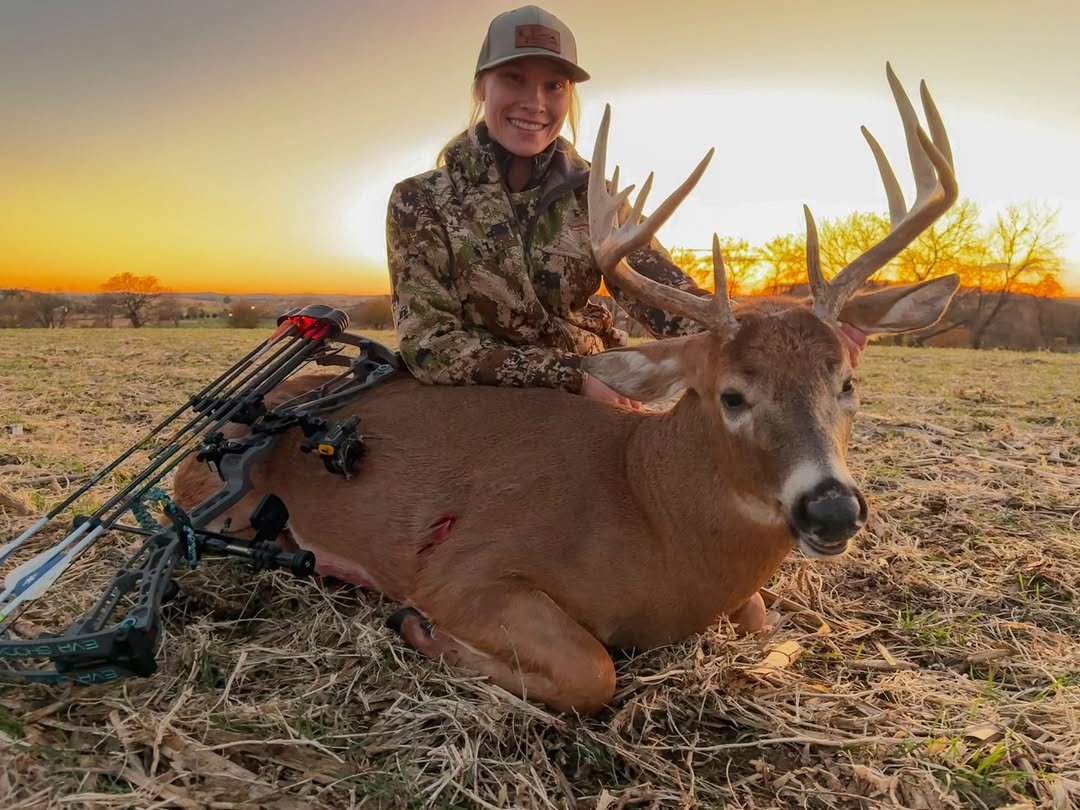
Late winter is one of the most challenging periods for hunters targeting white-tailed deer and other game species. Harsh weather, deep snow, and limited food resources make deer movements less predictable. Yet, understanding how deer transition from bedding to feeding areas during this period can dramatically improve your hunting strategy. Deer behavior in late winter is driven primarily by energy conservation, safety, and the search for high-quality forage.
1. Why Bedding-to-Feeding Shifts Are Critical
Deer spend the majority of their day in secure bedding areas to conserve energy. However, they must also access nutrient-rich feeding zones to maintain body condition. This creates a predictable rhythm:
- Energy Conservation: Minimizing movement through snow and cold reduces caloric expenditure.
- Predator Avoidance: Deer move cautiously between cover and open feeding areas.
- Forage Optimization: Winter browse is scarce; deer seek the best available food, often in concentrated areas.
By recognizing these shifts, hunters can anticipate movement routes and times, increasing success while minimizing disturbance.
2. Typical Bedding Area Characteristics
In late winter, deer choose bedding spots based on shelter, warmth, and concealment:
- Dense Conifers or Cedar Thickets: Provide wind protection and cover from predators.
- South-Facing Slopes: Receive maximum sun, helping deer conserve body heat.
- Ridges or Elevated Terrain: Allow deer to monitor surroundings while remaining hidden.
- Areas Close to Water or Food: Minimizes energy spent traveling between essential resources.
Observation tip: Bedding areas are often compact, quiet, and slightly elevated from surrounding terrain, making them easier to locate by footprints or flattened snow.
3. Key Feeding Area Features in Late Winter
Feeding areas in late winter are usually dictated by forage availability and energy density:
- Oak and Beech Mast: Remaining acorns and nuts draw deer from bedding areas.
- Browse on Shrubs and Saplings: Young twigs, buds, and willow are preferred when snow depth allows access.
- Open Fields or Agricultural Residue: Corn, soy, and wheat stubble are high-calorie options where accessible.
- Early Spring Green-Up Zones: South-facing clearings may begin to sprout tender shoots even before full spring arrives.
Understanding the location and quality of these feeding areas helps predict deer travel patterns.
4. Timing of Bedding-to-Feeding Movements
Deer movements are highly time-sensitive in late winter:
- Morning Movements: Deer often leave bedding areas shortly after sunrise to feed. Snow and frost can delay initial departures.
- Midday: Deer may rest or partially feed near bedding areas during peak cold hours.
- Late Afternoon / Evening: Return trips to bedding zones often coincide with lower light levels and cooler temperatures.
Tip: Track multiple days of movement to identify consistent timing patterns, as these are more reliable than a single observation.
5. How Weather Influences Movement
Late winter weather has a significant impact on how deer shift between bedding and feeding areas:
- Snow Depth: Deep snow forces deer to stay closer to bedding areas and avoid open fields.
- Temperature Swings: Mild, sunny days encourage longer feeding excursions.
- Wind Direction: Deer prefer to travel downwind or along sheltered corridors to avoid detection.
- Snow Melt Patterns: Melting snow reveals browse and opens trails, influencing travel routes.
Hunters can leverage these conditions to anticipate when and where deer are most likely to travel.
6. Common Travel Routes
Deer are creatures of habit, and their travel between bedding and feeding areas is often predictable:
- Trail Networks: Narrow trails through cover or along fence lines.
- Natural Funnels: Gaps in vegetation, creek crossings, or field edges concentrate movement.
- Ridge-to-Valley Paths: Provide easy access while reducing exposure to predators.
- Edge Habitats: Deer favor areas where dense cover meets open feeding zones.
Observation tip: Look for fresh tracks, broken twigs, or disturbed snow along these paths to identify active corridors.
7. Scouting Tips for Bedding-to-Feeding Movements
- Track Trails Early: Scout before hunting to map consistent routes.
- Use Trail Cameras: Monitor movement timing, herd size, and dominant bucks.
- Observe Weather Effects: Record how different conditions affect deer movement; patterns may shift daily.
- Prioritize Downwind Stands: Place blinds or tree stands near corridors where deer naturally travel.
By understanding these shifts, hunters can intercept deer effectively without spooking them.
8. Ethical Hunting Considerations
- Minimize disturbance near bedding areas; deer are stressed in late winter.
- Respect private property and hunting regulations.
- Avoid repeated exposure that might force deer to abandon traditional bedding sites.
Ethical hunting ensures deer populations remain healthy and predictable for future seasons.
9. Using Bedding-to-Feeding Knowledge Year-Round
Learning how deer shift from bedding to feeding areas in late winter has long-term benefits:
- Helps identify consistent corridors for spring and fall hunts.
- Improves success in post-rut scouting by understanding lingering winter patterns.
- Guides habitat management, such as food plots, cover planting, and trail maintenance.
Even a few observations of late winter deer movement can inform hunting strategies for the entire year.
Conclusion
Late winter is a critical time for understanding deer behavior. Recognizing how deer shift from bedding to feeding areas allows hunters to anticipate movement, position stands effectively, and hunt more efficiently. Key strategies include:
- Identifying bedding areas for safety and warmth
- Locating high-quality feeding areas and observing forage patterns
- Tracking trails and natural funnels for consistent routes
- Adjusting hunting strategy based on weather, snow, and daylight
By studying these patterns and respecting deer behavior, hunters can maximize their late winter success while maintaining ethical and sustainable practices.
