
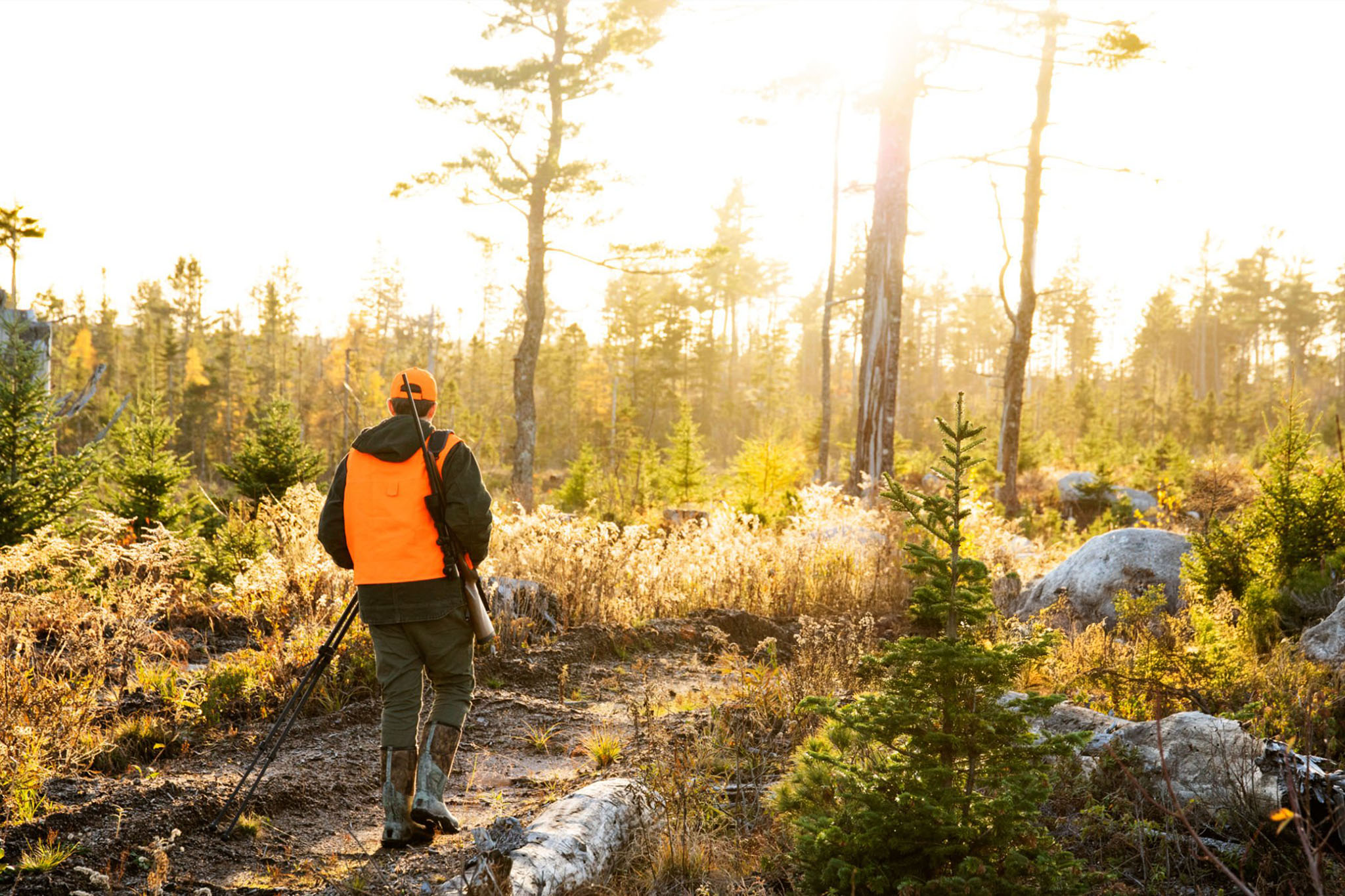
Late winter and early spring hunting present unique challenges—and opportunities. After the snow melts, landscapes transform almost overnight. Deer and other game species shift their movement patterns, food sources change, and previously hidden trails become accessible. To maximize success during this transitional period, hunters need a strategy that combines observation, timing, and terrain awareness.
1. Understanding Post-Snow Melt Patterns
Snow melt signals a dramatic shift in wildlife behavior:
- Increased Movement: Deer emerge from dense bedding areas to seek fresh forage.
- Trail Visibility: Melted snow exposes existing trails, deer tracks, and feeding zones.
- Water Access Changes: Streams, ponds, and puddles expand or shift, affecting animal travel routes.
Key takeaway: Snow melt is more than just a visual cue—it marks a transition in habitat use that hunters can exploit.
2. Prioritize Early Green-Up Areas
As snow recedes, certain areas green up faster than others. These zones are often the first to attract feeding deer:
- South-Facing Slopes: Early sun exposure warms soil and stimulates new shoots.
- Open Fields with Residual Mast: Oak or beech acorns may still remain, drawing deer to forage.
- Low-Lying Wetlands: Nutrient-rich shoots and tender grasses emerge quickly.
Strategy: Focus hunting efforts near these early green-up zones for increased encounters.
3. Track and Interpret Fresh Sign
The melting snow exposes signs that may have been hidden all winter.
Look for:
- Fresh Tracks: Narrow, compact trails indicate bedding-to-feed routes.
- Scat and Rubs: Recent deer activity confirms active areas.
- Flattened Grass or Trampled Areas: Suggests bedding spots or feeding sites.
Tip: Pay attention to trail intersections and funnels, as deer prefer predictable paths when snow recedes.
4. Adjust Stand Placement for Accessibility
Post-snow melt often creates muddy, slippery conditions, making previous stand locations less practical.
- Move to Elevated Spots: Ridges or hilltops remain drier and provide clear sightlines.
- Consider Edge Habitats: Where woods meet fields or wetlands, deer often travel here for forage while maintaining cover.
- Temporary Ground Blinds: Flexible positioning allows quick adaptation to changing terrain.
Safety note: Avoid overly soft areas prone to deep mud or hidden holes, which can be hazardous for hunters.
5. Time Your Hunts Around Temperature and Light
Snow melt not only changes terrain but also affects animal routines:
- Cold Mornings: Deer may linger in bedding areas until ground temperatures rise.
- Late Morning Movement: Animals emerge as snow melts and forage becomes accessible.
- Afternoon Feeding: Deer often return to bedding zones before sunset, offering strategic interception points.
Pro Tip: Use daylight observation to identify peak movement windows and adjust your stand times accordingly.
6. Exploit Natural Funnels and Corridors
As the landscape transitions, deer movements often concentrate in predictable areas:
- Narrow corridors between woods and open fields
- Bridges over streams or culverts
- Fence lines and edge vegetation
Strategy: Position yourself near these natural funnels to increase sighting chances without disturbing bedding areas.
7. Adapt to Residual Snow and Mud
Melting snow can create challenges, but also opportunities:
- Tracks in Slushy Snow: Make it easier to predict routes and bedding spots.
- Soft Ground Trails: Deer tend to avoid deep mud when possible, so look for higher or firmer paths.
- Noise Considerations: Wet leaves and branches can amplify sound; move slowly and carefully.
Tip: Wear waterproof boots with good traction and consider gaiters to keep dry in muddy terrain.
8. Consider Food Plots and Natural Forage
Post-snow melt is a time when deer are actively seeking high-energy forage:
- Early spring shoots and tender grasses emerge first on south-facing slopes.
- Winter mast such as acorns and beech nuts may still be accessible.
- Natural browse along creek edges becomes a key attractant.
Strategy: Scout for these early food sources and position hunting stands to intercept animals on their way to forage.
9. Use Trail Cameras Strategically
Trail cameras are particularly valuable during post-snow melt:
- Confirm which areas are actively used after snow recedes.
- Identify herd size, movement timing, and dominant bucks.
- Track patterns that change daily as new green shoots emerge.
Tip: Move cameras periodically to match changing trails for the most accurate intel.
10. Safety and Ethical Considerations
- Avoid stressing deer during a time when food is still scarce.
- Respect private property and follow local hunting regulations.
- Move quietly and leave minimal tracks to preserve natural deer routines.
Ethical hunting ensures healthy populations and consistent success year after year.
Conclusion
Post-snow melt hunting offers a unique window of opportunity. By understanding animal movement, bedding patterns, and early green-up zones, hunters can make informed decisions that maximize success. Key strategies include:
- Prioritizing early forage areas
- Observing and interpreting fresh signs
- Adjusting stand placement and timing for changing terrain
- Using natural funnels and trail cameras strategically
With careful planning, post-snow melt hunts can be some of the most productive of the late winter and early spring season. Recognizing how deer and other game respond to melting snow is the difference between a lucky encounter and a consistently successful hunt.
