
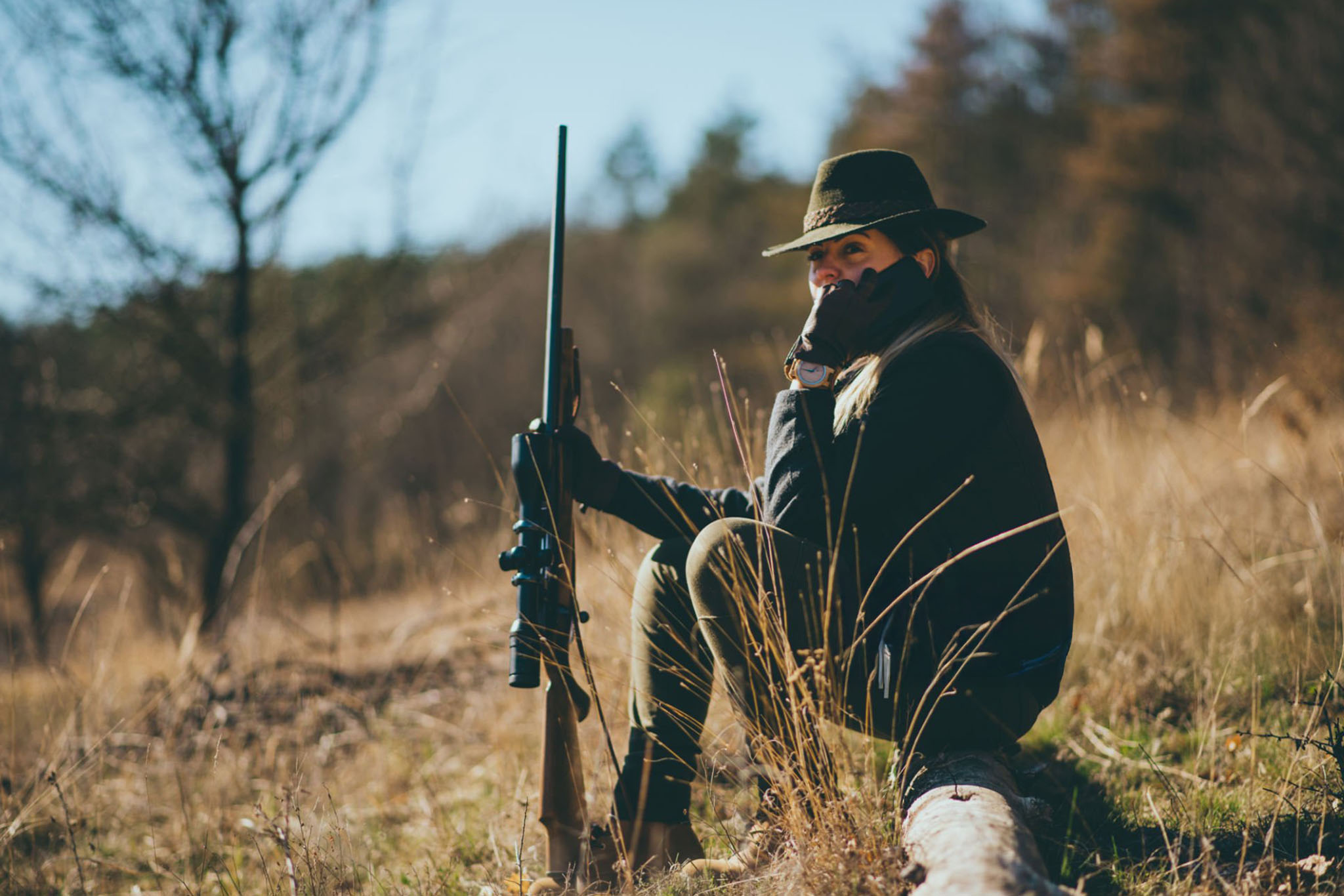
When the hunting season closes, most hunters hang up their boots and wait for fall. The smartest ones head back into the woods. Post-season scouting—especially in late winter—is one of the most overlooked advantages a serious deer hunter can use to stay ahead of pressured whitetails.
With leaves down, vegetation sparse, and deer behavior laid bare by winter conditions, the landscape tells a clearer story now than it ever will during the season. If you know what to look for, this is when next fall’s opportunities start taking shape.
Why Post-Season Scouting Is So Effective
Late winter scouting offers something in-season hunting never does: clarity without pressure. Deer have settled into survival mode. Their movement is honest, driven by food, cover, and energy conservation rather than rut chaos.
More importantly, your presence now doesn’t educate deer the way it does in October or November. You can move freely, explore deeply, and learn without burning future setups.
Key advantages of post-season scouting include:
- Visibility of trails, rubs, and beds without foliage
- Clear evidence of late-season survival routes
- Ability to access bedding areas without consequences
- Accurate mapping before spring growth erases sign
Identifying Buck Sign That Still Matters
Not all sign ages equally. The key is separating historical noise from repeatable patterns.
Rub Lines With Purpose
Focus on rubs that:
- Follow terrain edges (ridges, creek banks, timber transitions)
- Connect bedding cover to food sources
- Appear in clusters rather than isolated trees
Late-season rubs—often smaller and lower—can indicate where mature bucks still felt secure after pressure peaked. These areas are gold for early-season ambushes next fall.
Tracks in Soft Ground or Snow
Fresh snow or thawing ground reveals something maps never will: how deer actually move.
Pay attention to:
- Track direction changes near cover edges
- Single large tracks entering thick bedding zones
- Trails that avoid open areas even when food is nearby
Large, lone tracks moving with purpose often signal mature buck travel routes that reappear every year.
Finding Winter and Transitional Bedding Areas
Bedding areas used in late winter are about energy efficiency and protection.
Look for beds that:
- Face south or southeast for solar warmth
- Sit just below ridgelines out of the wind
- Overlook trails, openings, or access routes
Even if these exact beds aren’t used in early fall, the terrain features that protect them remain consistent. Bucks often shift beds slightly with the seasons—but rarely abandon the area entirely.
Late-Season Food Sources Reveal Fall Patterns
Winter forces deer to prioritize calories. Where they feed now tells you where they feel safe moving during daylight.
Key food-related scouting targets:
- Standing corn or bean fields with nearby cover
- Oak flats that still show diggings or droppings
- Browse-heavy edges like clear-cuts or hinge cuts
Trace trails backward from food to bedding. These routes often become early-season travel corridors once bucks reestablish patterns in September.
Mapping Funnels Before They Disappear
Late winter is the best time to identify natural funnels that get hidden once vegetation returns.
Funnels to mark now:
- Narrow timber strips between open areas
- Creek crossings with worn banks
- Fence gaps and terrain pinches
- Logging roads intersecting cover
Use GPS or mapping apps to pin these locations. Come fall, many will be invisible—but the deer will still use them.
Evaluating Pressure From Last Season
Post-season sign doesn’t just show where deer went—it shows where they avoided.
Take note of:
- Areas with heavy boot tracks or ATV access
- Stands clustered near easy entry points
- Thick cover that shows little human intrusion
Mature bucks survive by finding places hunters ignore. Late winter scouting exposes those overlooked sanctuaries.
Planning Stand Locations Without Guesswork
Now is the time to plan:
- Quiet access routes
- Wind-safe stand trees
- Observation setups for early season
With no leaves and no pressure, you can stand exactly where a buck traveled and understand why he chose that path.
Mark multiple options for different wind directions. The more preparation you do now, the fewer mistakes you’ll make when it matters.
Post-Season Scouting Sets the Tone for Success
Finding next fall’s buck doesn’t start with trail cameras in August. It starts now—when the woods are honest and the evidence is still fresh.
Late winter scouting builds confidence, reduces in-season guesswork, and turns random sits into intentional hunts. The hunters who consistently tag mature bucks aren’t luckier—they’re better prepared.
And preparation begins when everyone else thinks the season is over.
