
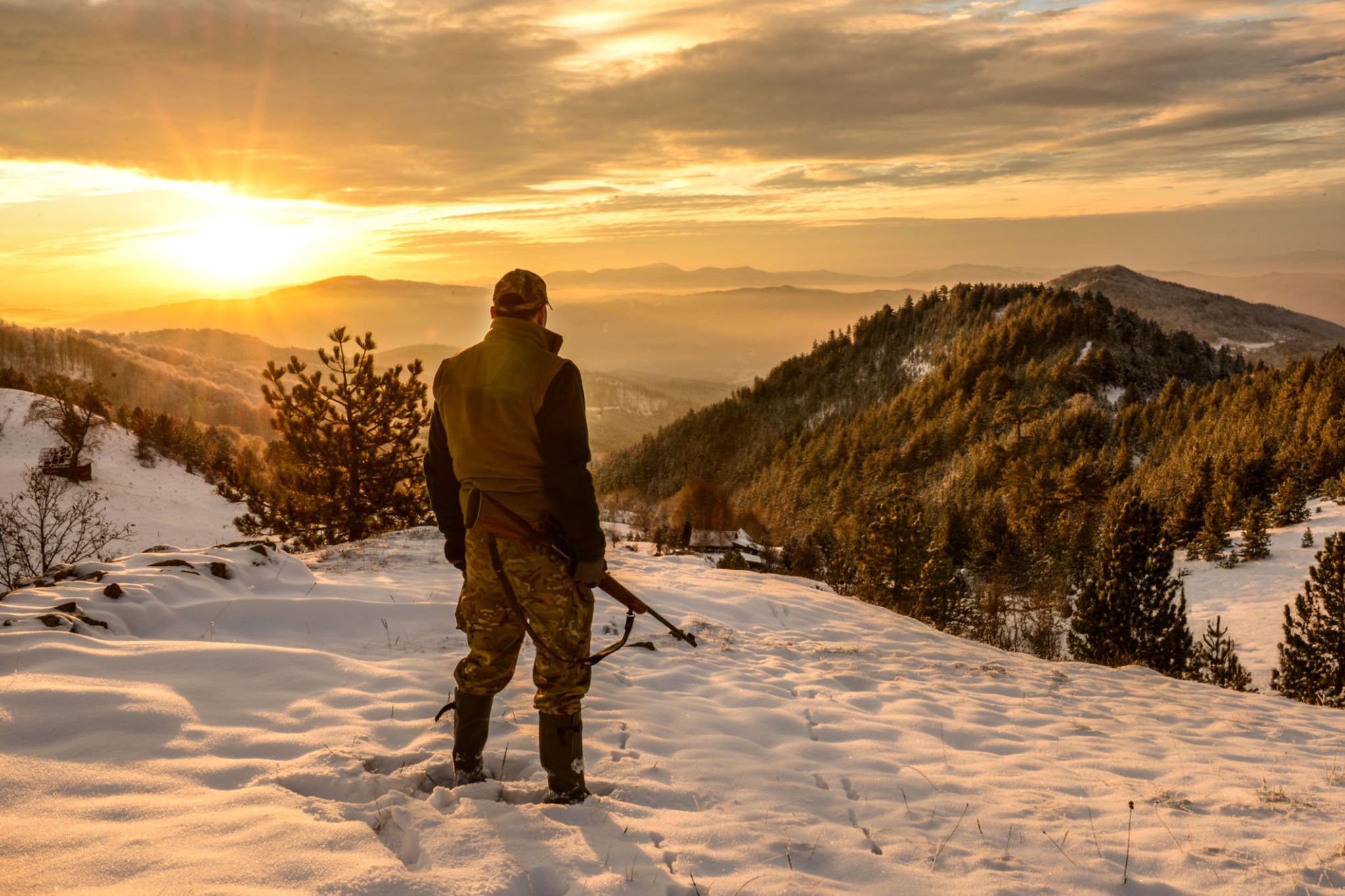
Hunting in winter presents a unique challenge: every step crunches, every branch snaps, and every sound carries farther in cold, still air. Moving through snow without alerting game is one of the most critical skills a successful late-winter hunter must master.
Deer, turkey, and other game are highly sensitive to sound during the winter months, when food is scarce and energy is conserved. A single misstep can end a hunt before it even begins. With the right strategies, you can traverse snow-covered terrain quietly, get in position, and increase your odds of success.
Why Quiet Movement Matters in Winter
Snow amplifies noise:
- Crunching snow: Frosty or icy surfaces make even light steps audible for hundreds of feet.
- Frozen brush and branches: Dry twigs crack and snap more easily in low temperatures.
- Calm winter air: Sound carries farther on cold mornings, giving game more warning.
Quiet movement is not just about stealth—it conserves energy for the hunt, reduces stress on the animals, and maximizes your chances of a successful shot.
Strategy 1: Choose Your Route Carefully
Planning your path before stepping into the snow can save the hunt:
- Follow existing trails or animal paths: These are already compacted and quieter.
- Avoid crusted or icy snow: A frozen layer can amplify even small steps.
- Look for soft snow or understory cover: Pine needles, leaves, or grass can act as natural sound dampeners.
Pro Tip: Scout during the day to mark quieter routes that can be used during early morning hunts.
Strategy 2: Step Like a Deer
Deer and other game have mastered quiet winter movement. Emulate their techniques:
- Lift foot slowly: Avoid dropping your foot onto the snow; roll from heel to toe.
- Land flat-footed: Spread your weight to avoid breaking through the crust.
- Take smaller steps: Shorter strides reduce noise and maintain balance.
Practice Tip: Walk slowly through snow before the hunt to feel the difference between noisy and quiet footfalls.
Strategy 3: Use Micro-Cover and Terrain Features
Even minimal cover can reduce sound travel:
- Move along tree lines and brush edges: Vegetation absorbs sound and blocks visibility.
- Use natural depressions: Dips, logs, or rocks can mask movement and reduce snow crunch.
- Avoid open fields if possible: Snow in open areas carries noise farther and makes you more visible.
Subtle use of terrain and cover helps you remain undetected even within close range of game.
Strategy 4: Minimize Gear Noise
Late-winter hunts often require extra clothing and equipment, which can create noise:
- Quiet outer layers: Avoid crinkly nylon; use fleece, wool, or silent winter camo.
- Secure equipment: Straps, buckles, and loose items should be fastened.
- Check boots: Rubber soles often grip snow quietly better than hard leather.
Small adjustments in gear management can prevent the tiniest sounds from alerting wildlife.
Strategy 5: Mind Your Body and Movements
Sound isn’t only created by your steps:
- Bend slowly: Twisting abruptly can snap branches or rustle leaves.
- Lower your center of gravity: Crouching slightly can reduce noise and increase balance.
- Plan movements ahead: Think two or three steps ahead to avoid sudden stops or slips.
Tip: Controlled, deliberate movements allow for stealth and energy conservation.
Strategy 6: Consider Timing and Weather Conditions
Certain conditions make quiet movement easier:
- Wind direction: Moving upwind or crosswind reduces the chance your scent and sound reach game.
- Light snow cover: Fresh, soft snow is quieter than icy or crusted snow.
- Temperature swings: Cold, still mornings amplify sound, whereas slightly warmer afternoons may absorb footfall noise.
Adjusting your hunting schedule to match quiet conditions enhances success.
Strategy 7: Practice, Practice, Practice
Quiet snow hunting isn’t intuitive—it’s a skill:
- Rehearse movement: Walk through snow in your hunting gear regularly.
- Simulate hunting scenarios: Practice stopping, crouching, and aiming while moving quietly.
- Track sound differences: Notice the contrast between different snow textures and surfaces.
Hunters who invest time in practice often notice dramatically higher success rates during late-winter hunts.
Common Mistakes to Avoid
- Ignoring snow conditions: Crusted or icy snow can give away your presence.
- Overestimating cover: Bare branches may conceal sight but not sound.
- Heavy footsteps or long strides: Amplify noise unnecessarily.
- Loose or noisy gear: Straps, belts, or camo can betray your location.
- Rushing: Moving too quickly increases mistakes and noise.
Final Thoughts
Late-winter hunts are a true test of stealth and patience. Success in snow-covered terrain requires careful planning, deliberate movement, and attention to gear and weather.
By choosing quiet routes, mimicking deer movement, using micro-cover, and practicing consistently, you can move through snow without alerting game, setting yourself up for an early shot and a memorable hunting experience.
Remember: in cold, quiet winter mornings, sound is your greatest enemy—and your greatest opportunity for control.
