
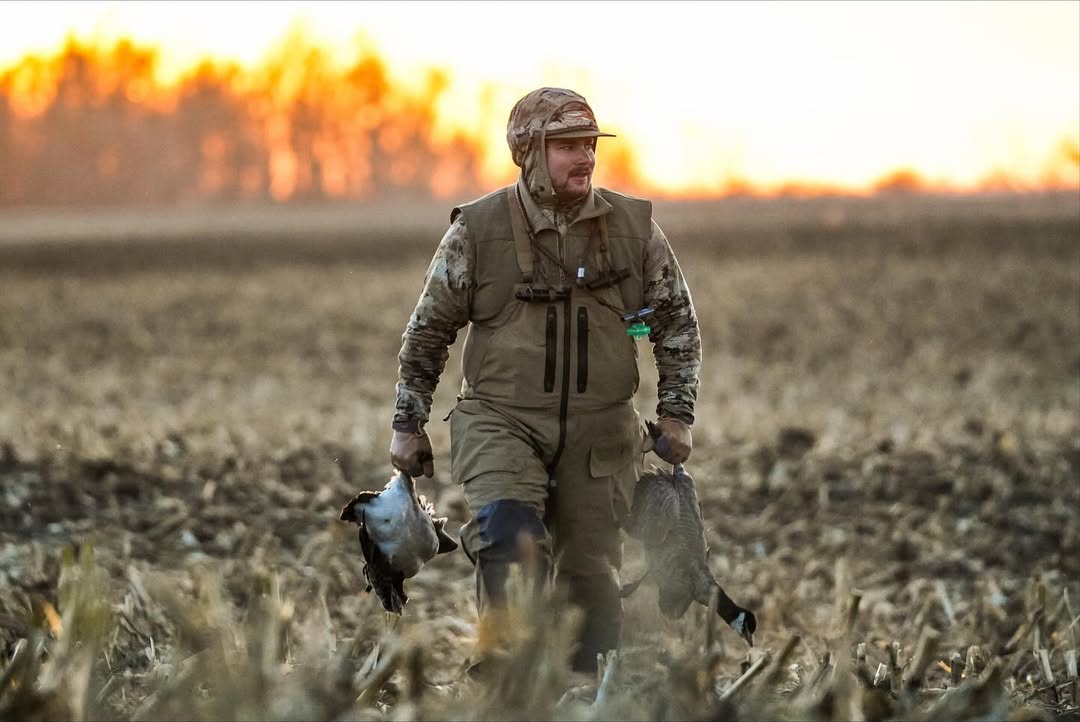
Late winter hunting is a test of patience, skill, and adaptability. By this time, deer have adapted to harsh conditions, limited food sources, and high hunting pressure. Even small adjustments to your hunting stand or blind can dramatically improve your chances of success.
Understanding late-winter deer behavior, micro-weather changes, and terrain features is key to making strategic stand adjustments that put you in the right place at the right time.
Why Late-Winter Adjustments Matter
During late winter, deer behavior changes in response to:
- Scarce food sources: Deer move less, conserving energy, and may concentrate along tree lines, brush pockets, and creek edges.
- Weather fluctuations: Snow melt, icy patches, and changing winds can reroute travel paths.
- Pressure from other hunters: Deer are wary, especially in heavily hunted areas.
A stand that worked in early winter may no longer be productive. Repositioning, subtle changes, or gear adjustments can make the difference between seeing deer and coming home empty-handed.
Strategy 1: Reassess Travel Corridors
Late winter often concentrates deer in predictable corridors:
- Check snow and frost patterns: Fresh tracks reveal high-use routes.
- Focus on edges: Tree lines, hedgerows, and brush pockets become natural funnels.
- Adjust your stand placement slightly: A move of 15–30 yards can align you with deer’s new preferred paths.
Pro Tip: Avoid over-hunting these areas; subtle adjustments instead of major relocations usually yield better results.
Strategy 2: Optimize Wind and Scent Management
Cold winter winds are tricky:
- Downwind positioning is crucial: Deer detect scent more easily in late winter when humidity is higher.
- Use natural barriers: Position your stand near a ridge, tree cluster, or brush pocket that blocks wind.
- Adjust scent control: Refresh scent-blocking sprays, and minimize handling of gear that carries human odor.
Even small wind changes can make or break a late-winter hunt.
Strategy 3: Camouflage and Visibility Adjustments
By late winter, foliage is minimal, exposing your silhouette:
- Blend with muted tones: Use gray, brown, or leafless winter camo.
- Modify blind or stand placement: Avoid skylines and open ridges that silhouette your form.
- Break up outlines: Add natural cover like dead branches, pine boughs, or camouflage netting.
Proper visual concealment ensures deer remain unaware of your presence.
Strategy 4: Adjust for Micro-Weather Patterns
Late-winter weather can change multiple times a day:
- Watch temperature swings: Deer are more active during warmer mid-day periods when snow crust softens.
- Monitor snow cover: Deer often avoid deep snow, sticking to hardened trails along tree lines or creek beds.
- Consider sun angles: Early morning and late afternoon sun can change stand visibility; reposition if necessary.
Micro-weather adjustments can increase deer sightings during peak movement periods.
Strategy 5: Modify Stand Height and Angle
Small height and angle tweaks can improve shot opportunities:
- Height adjustments: A slightly higher stand can give a better line of sight over snow or brush.
- Angle to travel corridor: Position your stand so deer move perpendicular to your shooting lane for clean, ethical shots.
- Seat placement: Ensure stability and comfort; late-winter hunts often require longer periods of sitting in cold conditions.
Even moving your stand a few degrees off the original path can convert missed opportunities into successful encounters.
Strategy 6: Incorporate Late-Winter Food and Attractants
Food sources are limited in late winter, so deer movements are predictable:
- Observe remaining browse: Identify buds, saplings, or leftover mast that deer favor.
- Strategic baiting (where legal): A small, well-placed food source can draw deer within range.
- Salt or mineral licks: Position near travel corridors to influence movement patterns without overfeeding.
Targeting areas where deer naturally congregate increases your chances of an early, ethical shot.
Strategy 7: Monitor and Adapt Daily
Late winter conditions are dynamic:
- Check tracks daily: Snow or frost can quickly change preferred paths.
- Move quietly if needed: Avoid disrupting high-traffic corridors while repositioning.
- Track herd patterns: Mature bucks may have different movement compared to does; adjust stand placement accordingly.
Adaptability is the key to late-winter success.
Common Mistakes to Avoid
- Staying rigid: Refusing to adjust your stand to changing deer behavior reduces success.
- Ignoring wind changes: Even a slight shift can alert deer in open winter landscapes.
- Overexposing yourself visually: Late-winter foliage loss makes any silhouette more noticeable.
- Neglecting comfort and warmth: Cold distractions reduce alertness and reaction time.
Avoiding these mistakes maximizes your hunting efficiency and increases ethical shot opportunities.
Final Thoughts
Late-winter hunts reward the prepared, observant, and adaptable hunter. Stand adjustments—whether moving a few yards, changing height, or tweaking your angle—can dramatically improve sighting and shooting opportunities.
Success isn’t just about being in the woods early—it’s about reading deer behavior, monitoring changing conditions, and fine-tuning your setup. Hunters who take the time to make thoughtful late-winter adjustments often finish the season with better encounters, cleaner shots, and unforgettable hunting memories.
