
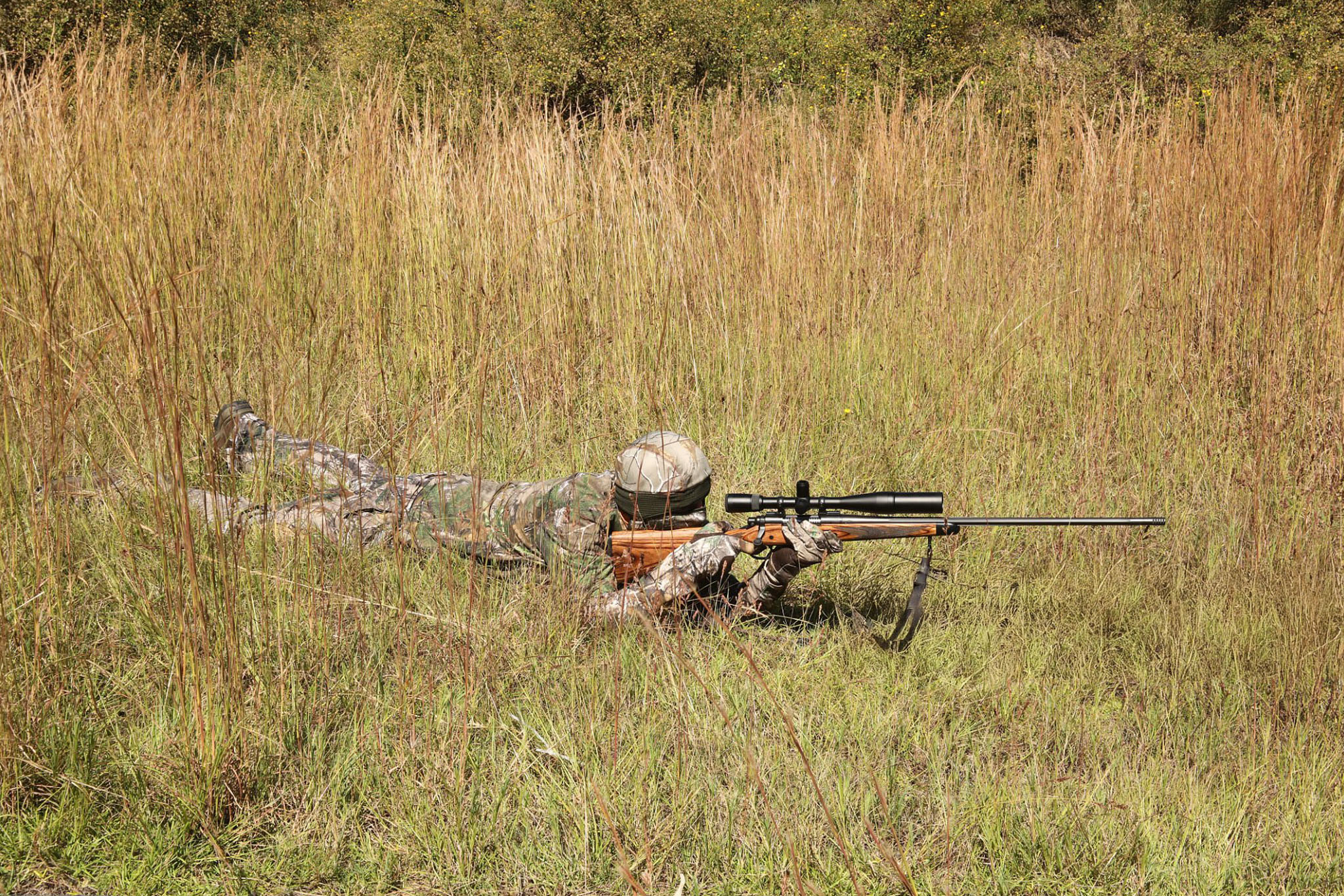
Hunting during cold winter mornings presents a unique set of challenges. Deer and other game are active before the sun rises, but the same frigid conditions that make early mornings effective can also make your hunt tricky. Success in the pre-dawn hours requires preparation, understanding animal behavior, and strategic positioning.
Here’s a detailed guide to getting your first shot before the sun hits, while staying safe, warm, and undetected.
Why the Pre-Dawn Hours Matter
The first few hours before sunrise are critical for several reasons:
- Deer are most active: Late winter forces deer to feed during short, low-energy periods.
- Limited daylight for visibility: Low light means careful positioning and shooting skills are essential.
- Minimal human disturbance: Fewer hikers, vehicles, and other hunters are active, reducing pressure.
Getting in position before daylight allows hunters to take advantage of natural movement patterns and make informed decisions about shot placement.
Strategy 1: Scout Ahead and Identify Early Travel Routes
Understanding where game moves in the early hours is key:
- Observe feeding patterns: Note where deer and other game bed down overnight and where they travel to forage.
- Check previous sign: Tracks in frost or snow can reveal main corridors.
- Focus on edges: Tree lines, brush pockets, and creek edges often act as natural funnels.
Tip: Use game cameras during late winter to confirm patterns without spooking animals.
Strategy 2: Pre-Position and Minimize Movement
Early mornings are unforgiving—any noise or sudden movement can alert your target:
- Arrive before first light: This allows time to get settled, adjust clothing, and ensure your stand or blind is quiet.
- Move slowly: Frozen branches, dry leaves, and snow can make even small movements noticeable.
- Limit adjustments: Once in position, avoid unnecessary movement or gear rearrangement.
Tip: Plan your route the day before to avoid slipping or stepping on noisy terrain.
Strategy 3: Dress for the Cold Without Compromising Stealth
Cold mornings require layered clothing, but bulk can affect movement and your ability to aim:
- Base layer: Moisture-wicking to keep sweat away from skin
- Insulation layer: Lightweight fleece or down for warmth without noise
- Outer shell: Quiet, weather-resistant jacket to block wind and snow
Extra Tip: Wear gloves designed for shooting—warm yet flexible. Cold fingers reduce trigger control and accuracy.
Strategy 4: Manage Scent in the Cold
Even in freezing temperatures, scent can travel far in the morning air:
- Use scent-blocking sprays or clothing: Treat clothing and gear to reduce human odor.
- Consider wind direction: Position yourself downwind of expected game travel.
- Avoid handling snow or foliage unnecessarily: Extra moisture or disturbance can increase scent trails.
Cold air is denser and can carry scent differently, so careful attention is critical.
Strategy 5: Light and Visibility Management
Pre-dawn light is tricky; your visibility and theirs are limited:
- Red or low-intensity headlamps: Preserve night vision while navigating to your stand.
- Camouflage patterns: Match early morning snow, frost, or bare ground to blend in.
- Minimize silhouette exposure: Avoid standing or moving against the skyline.
Tip: Practice shooting in low-light conditions to increase confidence and accuracy.
Strategy 6: Timing Your Shot
Even if you’re in position early, patience is essential:
- Wait for the right distance: Do not take rushed shots in low light.
- Prioritize high-probability targets: Mature bucks or healthy game first.
- Consider movement patterns: Deer may pause near brush edges or tree lines before entering open feeding areas.
Early morning hunting is about opportunity and precision, not rushing the first sighting.
Strategy 7: Stay Comfortable and Alert
Cold mornings can be physically taxing, and discomfort leads to mistakes:
- Warm drinks: Keep a thermos of hot coffee, tea, or broth to maintain alertness.
- Seat pads or insulated blinds: Sitting on cold surfaces reduces blood flow and can affect reaction time.
- Stretch before sitting: Helps avoid stiffness that might make aiming difficult.
Maintaining comfort directly affects your focus, patience, and shot execution.
Common Mistakes to Avoid
- Arriving late: Misses the pre-dawn movement entirely.
- Over-dressing noisily: Bulky, crinkly clothing alerts deer before the shot.
- Ignoring wind: Early morning winds can carry scent unpredictably.
- Rushing shots in low light: Wait for a clear opportunity to ensure ethical and effective shots.
- Neglecting hydration or energy: Fatigue reduces reaction time and precision.
Avoiding these pitfalls maximizes your chance for early success.
Final Thoughts
Cold morning hunts are a high-reward strategy for late winter and early spring deer hunting. By scouting ahead, pre-positioning carefully, managing scent and visibility, and staying comfortable, you can increase your odds of getting that crucial first shot before the sun hits.
Success in these challenging hours isn’t about luck—it’s about planning, patience, and precision. Those who master cold morning strategies often find the pre-dawn hunt to be the most productive and memorable part of the season.
