
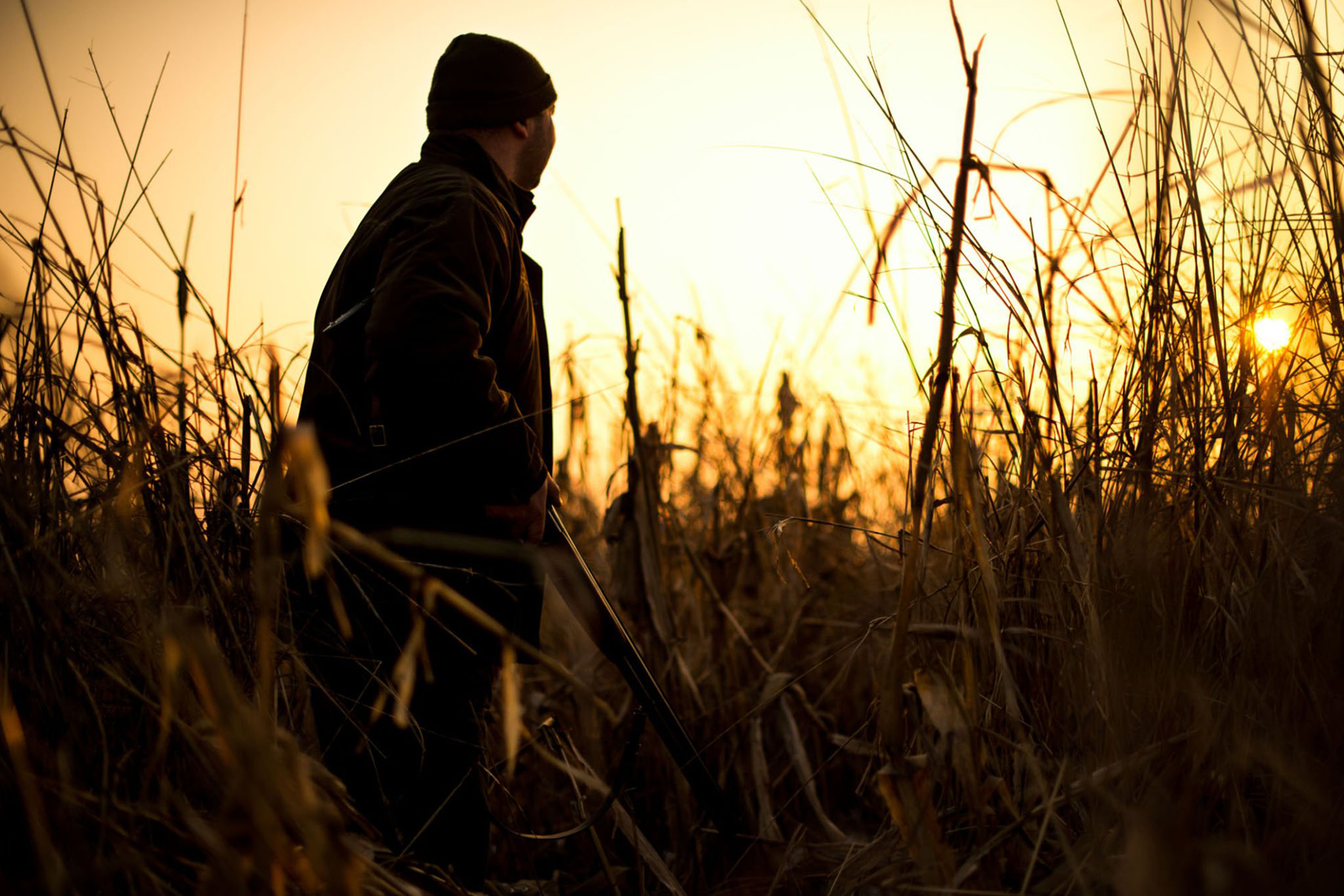
For many hunters, late-season success isn’t won in the stand—it’s won on the walk to the stand. By December and January, deer have already survived months of pressure. They’ve been bumped by gun hunters, spooked by rut chaos, and pushed deeper into cover by unpredictable weather. At this stage, even the slightest disruption in their environment—a broken twig, a misplaced boot scent, a faint silhouette moving where it shouldn’t—can shut down deer movement for an entire day.
That’s why mastering low-impact access is one of the most powerful skills a hunter can develop. Entering your stand “invisible”—sound-wise, scent-wise, and visually—can make the difference between watching empty timber and watching a mature buck step into shooting range.
Below, we break down the complete, field-tested strategy for accessing your stand with as little disturbance as humanly possible.
Why Low-Impact Access Matters More in Late Season
Late season deer behave differently. They’re conserving calories. They’re hypersensitive. And they’ve already learned to pattern hunters better than hunters pattern them.
A poor access route can:
- Push deer off your property entirely
- Alert bedded deer even if they’re 200 yards away
- Destroy the “first sit advantage”
- Shift deer into nighttime-only movement
- Reduce the number of deer using a food source
Meanwhile, a well-planned entry can preserve the natural flow of the woods and help you hunt deer when they are most vulnerable—during feeding transitions and cold-weather pattern lock.
Step 1: Read the Wind Long Before the Hunt
Wind checks aren’t something you do at the truck. They start the moment you choose your stand location.
Before stepping into the woods:
- Check wind direction on multiple apps
- Study how terrain funnels or bends wind
- Plan an access route that keeps the wind off bedding areas
- Avoid areas where your scent will pool (low valleys on cold mornings)
The goal is not just keeping your wind away from deer while on stand—it’s ensuring your approach trail doesn’t blow into bedded deer or into the timber where they stage before entering a field.
Rule:
If your access route puts your wind on deer—even for 20 seconds—it’s not a viable route.
Step 2: Choose the Quietest Path, Not the Shortest One
Every hunter has cut a “shortcut” that ruined a hunt. The path that looks fastest isn’t always the path that’s quiet, sheltered, or scent-safe.
Instead, prioritize routes that:
- Follow creeks or drainage ditches
- Use terrain depressions to hide movement
- Stick to soft, leaf-free travel areas
- Avoid known bedding cover
- Skirt food plots and travel corridors rather than crossing them
Creek beds are the king of stealth travel. Water wipes away scent, masks noise, and conceals movement below the deer’s line of sight.
If you don’t have a creek, logging roads or grassy edges can also provide quiet access without advertising your presence.
Step 3: Beat the Ground Game — Reduce Scent Where You Walk
Even the cleanest, scent-free boots leave micro-traces deer can detect. But you can make your footpath far less “human.”
Do this before every hunt:
- Spray boots and pant legs with scent-eliminator
- Walk through water whenever possible
- Wear knee-high or hip-high rubber boots in wet terrain
- Avoid brushing against vegetation
- Step on rocks, logs, or snow patches when possible
And remember—your entrance route stays “hot” long after you pass. A deer may cross it two hours later and still peg you if you’re sloppy.
Step 4: Move Like a Predator, Not a Tourist
Noise discipline matters—especially on frozen leaves or crusted snow.
Practice these stealth fundamentals:
• Time your steps
Move slowly, pausing often. Predators move in irregular patterns; humans move consistently. Break the pattern.
• Control your gear
No clanking buckles, rattling pack straps, or squeaky releases.
• Use pre-dawn darkness
Deer rely heavily on sight. Darkness gives you the advantage—just don’t use your headlamp like a spotlight in the timber.
• Scout access routes ahead of time
Clear sticks, branches, or briars earlier in the season so you’re not crunching your way in during primetime.
Step 5: Avoid the Skyline and Use Shadows
Mature bucks notice silhouettes long before shapes. If you walk the crest of a hill or edge of a ridge, you’re skylined.
Instead:
- Walk low where terrain hides your outline
- Use timber shadows to break your shape
- Approach stands from the downwind, shaded side
- Avoid open fields unless completely necessary
A hunter in open terrain is a glowing signal, even at 100 yards.
Step 6: Control Entry Timing Based on Deer Patterns
Late season deer often move earlier in the evening and later in the morning due to cold weather. That means your timing must adjust.
Morning hunts:
Enter well before first light or skip morning sits entirely in late season to avoid bumping feeding deer returning to bed.
Evening hunts:
Give yourself extra time. Deer may already be staging before sunset during cold snaps.
Step 7: Exit as Carefully as You Enter
Leaving is just as important as arriving.
A poor exit can:
- Blow deer off a food source
- Push a mature buck into nocturnal behavior
- Ruin the next morning’s opportunity
Use the same low-impact principles on the way out—wind, noise, shadows—and never let deer see you leave.
If deer are in front of your stand at dark, stay until they move off or have someone pick you up with a vehicle. Trucks push deer far less than humans walking.
Final Thoughts: Low-Impact Hunters See More Deer
Most hunters think success comes from drawing the bow at full draw. In reality, it starts long before that—in the dark, silent walk through the woods.
Mastering low-impact access:
- Keeps deer calm
- Preserves natural travel patterns
- Increases daylight movement
- Protects the integrity of your best stands
- Dramatically boosts late-season opportunities
When you slip into your stand like a ghost, the woods stay alive—and that’s when the oldest, smartest deer make mistakes.
