
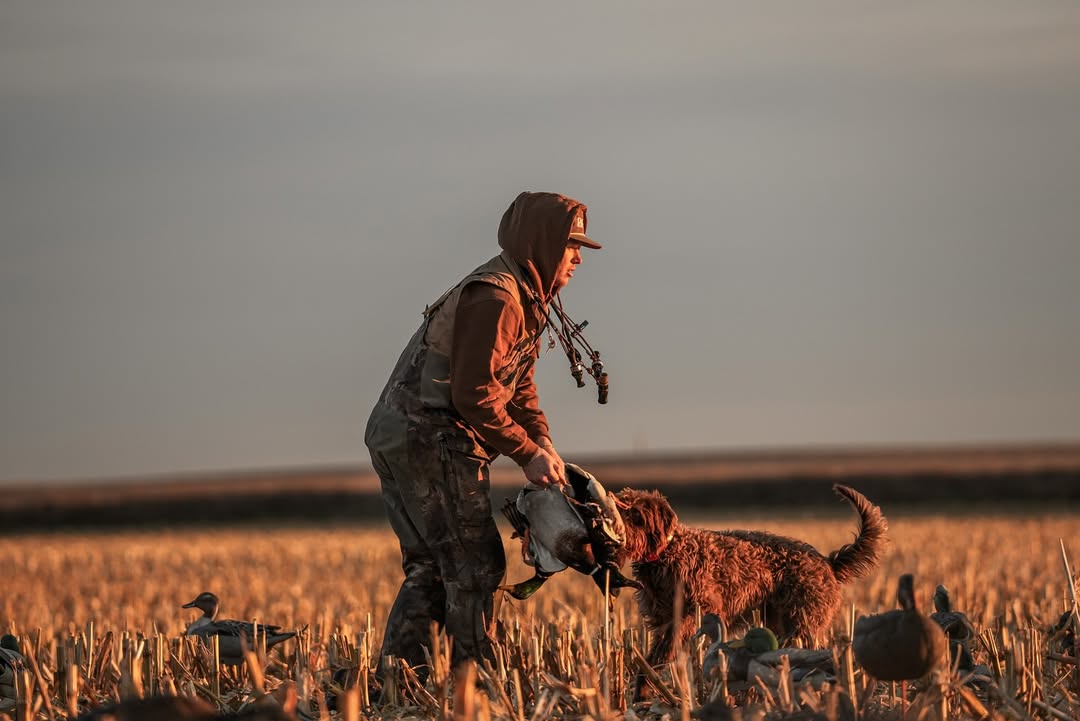
The first hard freeze of the season doesn’t just signal colder nights—it triggers a behavioral revolution in waterfowl. Ponds that were once open and sprawling suddenly lock up, pushing ducks into smaller pockets of water and creating high-pressure hunting opportunities. For hunters who know what to look for, this “first night of lock-up” can be one of the most productive windows of the season.
Here’s how to understand duck behavior during rapid freezes and position yourself for maximum success.
Why the First Freeze Matters
A rapid freeze changes the landscape instantly:
- Water Reduction: Shallow ponds, sloughs, and marsh edges freeze first, funneling ducks into deeper water or small open pockets.
- Energy Conservation: Ducks focus on conserving energy, leading to predictable feeding and resting patterns.
- Increased Local Movement: Birds relocate from marginal water sources to reliable, unfrozen bodies of water, often within a few miles of their previous roosts.
Hunters who understand these dynamics can anticipate where the ducks will be before anyone else does.
Identifying Key Lock-Up Spots
Not all open water is created equal during a freeze. Look for:
1. Deep Ponds and Lakes
Deeper water freezes slower and becomes prime real estate overnight. Ducks will gravitate toward these areas because they provide safety and open access to food.
2. Spring-Fed Pockets
Even small streams or spring-fed pools stay open when everything else freezes. These “pockets” are magnet zones, often hosting a high concentration of feeding ducks.
3. Creek Confluences and Waterway Junctions
When smaller water bodies freeze, ducks migrate toward natural junctions where they can roost and feed simultaneously. These points are predictable and ideal for decoy placement.
Decoy Strategies for Rapid Freeze Hunts
To capitalize on the first night of lock-up:
1. Tight, Natural Layouts
Ducks arriving in constrained water spaces prefer spreads that look realistic and approachable. Use:
- Small groups of decoys near the edges
- Single lines mimicking ducks feeding
- Minimal movement flags to draw attention
2. Lead Them Into the Shot
With water restricted, narrow lanes are common. Place decoys to guide incoming ducks into open shooting zones. Even a few strategically placed decoys can dramatically improve success.
3. Focus on Key Species
Some ducks respond differently to freezing conditions:
- Mallards: Often the first to move to deep ponds and are quick to settle into new locations.
- Northern Pintails: Tend to linger longer in small open water pockets, making them prime targets late morning.
- Canvasbacks & Redheads: Move more cautiously, preferring larger, deeper waters, but when funneled, can be highly predictable.
Calling Techniques During Rapid Freeze
A sudden freeze triggers energy-conserving behavior in ducks, meaning:
- Less Aggressive Response: Loud, high-pitched calling can spook ducks in restricted water.
- Short, Subtle Calls Work Best: Mimic low-intensity feeding or contact calls.
- Timing Matters: Early morning or late afternoon are often the most productive because birds rest in open water mid-day to conserve energy.
Approach and Concealment
- Use Natural Cover: Brush piles, cattails, and frozen bank edges help mask movement.
- Stay Low: Birds fly lower during initial freezes, so a low-profile blind increases concealment.
- Limit Movement: Once ducks settle, avoid unnecessary noise or adjustment in your setup. Small shifts are more noticeable in tighter, frozen areas.
Weather and Ice Considerations
- Rapid Freezes Create Predictable Patterns: When temperatures drop below 28°F overnight, hunters can anticipate which water will remain open.
- Check Ice Thickness Carefully: Even shallow ponds may develop thin ice sheets; decoy placement should account for sudden refreezing.
- Wind Direction: With open water scarce, ducks approach from the side offering the least resistance to flight and takeoff. Place blinds upwind of primary approach lanes.
Why Timing the First Night of Lock-Up Is Key
The first freeze offers an advantage hunters rarely see later in the season:
- Ducks are concentrated in smaller areas, making every decoy and call more effective.
- Birds are active, feeding aggressively to prepare for colder nights.
- Early-season hunters can locate and establish setups before pressure scatters the population.
Miss this window, and ducks will quickly adapt, dispersing across the landscape until further freeze events consolidate them again.
Conclusion
Rapid freezes redefine the waterfowl hunting landscape overnight. By identifying deep-water refuges, spring-fed pockets, and strategic junctions, using subtle decoy patterns, and applying timed, low-intensity calling, hunters can dominate these critical early-freeze hunts.
The first night of lock-up is a golden window: the ducks are concentrated, predictable, and motivated to feed. For those who act swiftly and strategically, this is the time to turn icy conditions into hot limits.
