
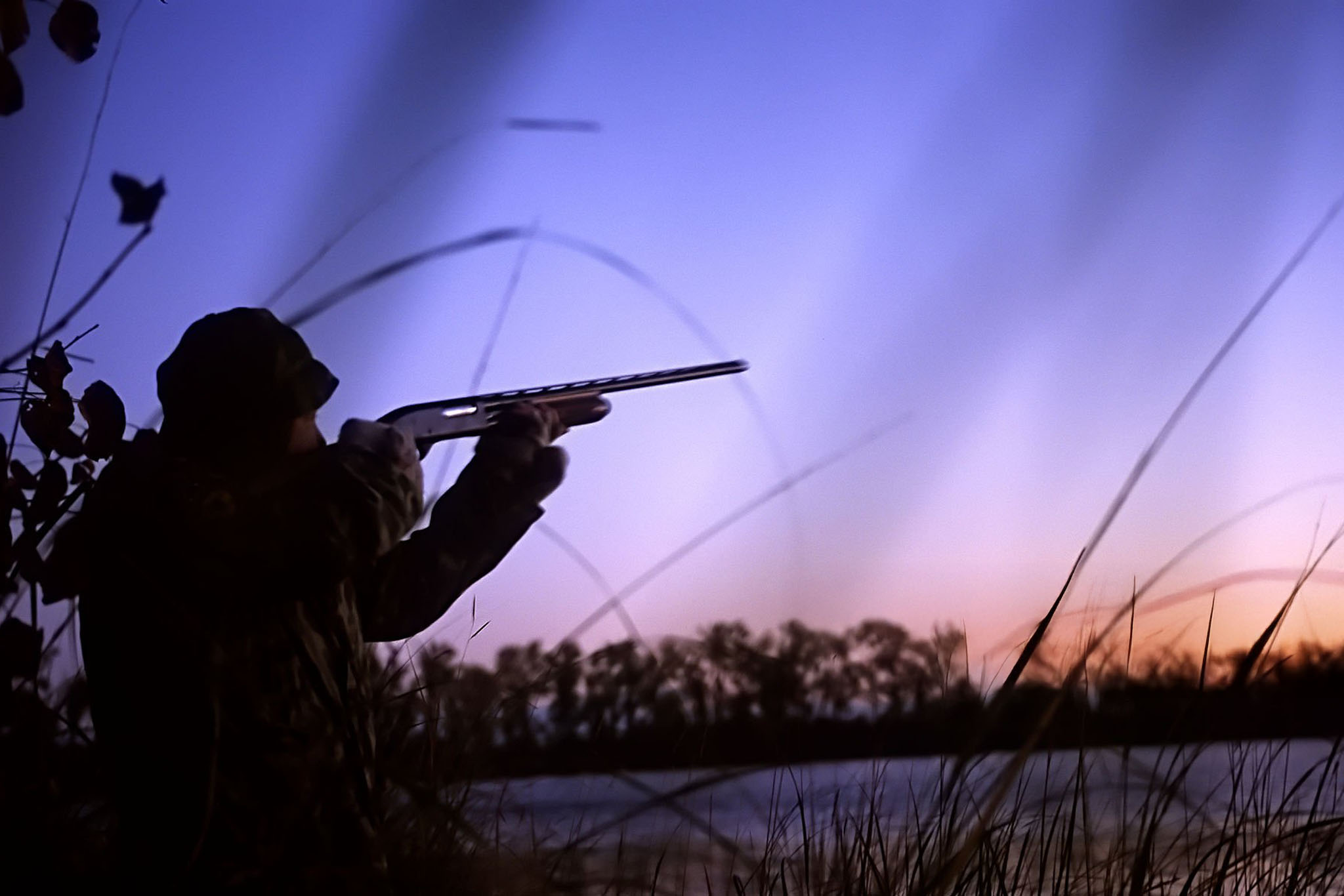
Midwinter hunting brings a kind of magic you can’t get any other time of year—crisp silence, frosted timber, and predators or coyotes moving confidently under the cover of darkness. But it also brings challenges: bitter cold, unpredictable wind, and the constant battle of staying undetected in a landscape where sound travels farther and light behaves differently.
Whether you’re chasing coyotes, foxes, or late-season hogs, success at night in midwinter depends on how well you understand light, sound, and setup positioning. Below is a comprehensive guide designed to help hunters get more consistent results and make every cold-season night hunt count.
Why Midwinter Nights Can Be So Productive
Winter nights put predators and game animals on the move. Food is scarce. Nights are long. Temperatures drop hard after sunset, pushing animals to travel farther and earlier to burn less energy.
Other factors also work in your favor:
✔ Snow Amplifies Sign and Silhouettes
Any movement stands out more sharply against a white background.
✔ Cold Air Makes Sound Travel Farther
This helps hunters call—but also means sloppy movement can blow a hunt instantly.
✔ Hunters Face Less Pressure
Few people want to battle freezing temps and long nights, giving you cleaner access to prime ground.
1. Light Management: See Without Being Seen
Light is one of the biggest factors that separates successful midwinter night hunters from the ones who walk back to the truck empty-handed.
Use Ambient Light to Your Advantage
Bright moon nights, snow cover, and clear skies create natural illumination that predators rely on. If you can see clearly without artificial light, you’re already ahead.
Best practice:
Set up with the moon behind your back. This keeps your silhouette dark and pushes shadows forward—away from your position.
Know When to Use Red, Green, or White Light
Different species react differently to colors, but winter clarity makes light even more critical.
Red Light
- Least alarming to most predators
- Best for scanning at long range
- Works well on nights with slight snow drizzle or haze
Green Light
- Brighter and sharper than red
- Helps identify animals fast
- Ideal for frozen fields or open timber
White Light
- Best for positive identification
- Use only when ready for the shot
- Can blow a setup if used too early
Avoid the “Flashlight Mistake”
Many hunters shine their light immediately when they hear movement. Big mistake.
Predators use the dark to stalk from angles you’re not expecting.
Better approach:
Sweep slowly, never directly at the ground in front of you. Move the beam like a slow-motion fan to pick up eyes without creating unnatural movement or shadows.
2. Sound Strategy: Calls That Carry and Calls That Don’t
Cold air is dense, so sound travels farther, louder, and cleaner in midwinter. That’s good and bad.
Start Soft—Always
A quiet distress call can reach 300+ yards on a still January night. If you start too loud, you risk:
- Spooking a predator already nearby
- Sounding unnatural
- Eliminating the “build-up” that pulls animals in
Start subtle, then escalate if nothing responds after 3–5 minutes.
Match the Sound to Winter Behavior
Rodent and vole squeaks
- Great for close-to-mid-range
- Best during calm, windless nights
High-pitched rabbit distress
- Carries extremely well over snowfields
- Works when predators are cruising long distances
Coyote vocals
- Limit how frequently you use them
- Use lone howls or interrogation howls to locate
Winter predators are hungry but cautious. Vocalizations should be strategic, not constant.
Stay Quiet Between Calls
Predators often approach silently and hesitate in the last 50 yards. Any small metallic click, zipper tug, or crunch of snow can ruin everything.
Pro tip:
Use rubber-coated or fleece-covered gear to reduce unintended noise.
3. Setup Positioning: Where You Sit Makes or Breaks the Hunt
Midwinter night hunting is all about angles, shadows, and the unexpected ways animals move when the world is frozen.
Put Your Back to Structure
Hunting with your back against:
- A tree line
- A barn shadow
- A hay bale
- A creek bank
…helps break your silhouette and kills backlighting.
Use Snow Edges and Terrain Lines
Predators follow edges at night:
- Fencelines
- Drift lines
- Timber edges
- Ditches
- Snow-to-grass transitions
Set up perpendicular to these travel routes so animals naturally face broadside as they approach.
Wind Strategy: Quartering Wind Wins
Most hunters try to set up directly downwind. That works—but only until the predator circles.
Instead, position yourself with a slight quartering wind, giving predators a false sense of advantage while keeping them in a shooting lane before they hit your scent cone.
4. Gear That Helps Your Odds in the Brutal Cold
Thermal scopes
Unmatched detection at long distance, especially over snow.
Electronic calls
Let you place sound downrange, keeping predators’ eyes off your body.
Quiet insulated boots (like high-end hunting boots or deck boots)
Reduce crunching noise and keep your feet warm enough for long sits.
Hand muff + rechargeable warmers
Keeps trigger hands warm without bulky gloves.
Portable swivel chair
Allows silent positioning adjustments to follow incoming predators.
5. Reading Animal Body Language at Night
Bounding movement
Excited predator responding fast—be ready.
Slow creeping
Suspicious but curious. Minimize movement.
Freezing with head low
They sense something off—stop calling and let them relax.
Sudden angle changes
They’re trying to wind you. Prepare for a shot opportunity.
Final Thoughts: Cold Nights Create Hot Opportunities
Midwinter night hunts reward patience, smart setups, and an understanding of how winter changes the rules of light, sound, and animal movement. When you respect those subtle details, the results can be incredible—fast responses, close encounters, and some of the most memorable hunts of the entire year.
If you put in the work, the cold won’t be what you remember—the adrenaline will.
