
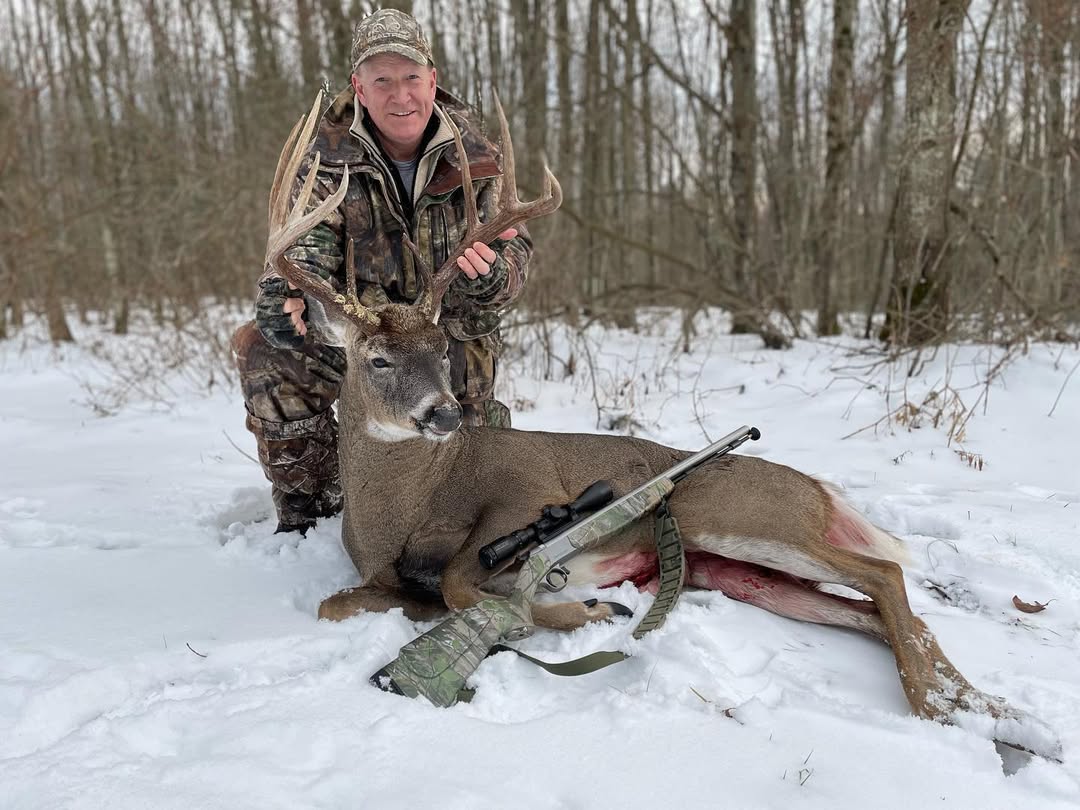
As winter settles in and hunting pressure fades, mature bucks shift into a completely different survival mode. The ways they bed, the places they choose, and the timing of their movements all change drastically. While early-season bucks often stick to predictable patterns—food, cover, water—late-season bucks are masters of adaptation. They start bedding in spots many hunters walk past without a second thought. These “odd pockets” are often small, unexpected, and intentionally difficult to hunt.
If you want to consistently tag a late-season buck, you need to understand why these strange bedding areas become their top choice and how to locate them before your competition does.
Why Bucks Change Bedding Behavior in Winter
By December, older bucks have endured months of stress—rut exhaustion, increased hunting pressure, shifting food availability, cold temperatures, and shrinking daylight. Their biggest priority is pure survival. That means minimizing energy use and maximizing security.
Several factors reshape their bedding preferences:
1. Energy Conservation
Cold weather drains calories fast. Bucks need bedding locations that:
- Require minimal travel
- Provide good thermal cover
- Block wind
- Reduce exposure to predators and hunters
Odd pockets often meet these criteria better than traditional bedding areas.
2. Hunting Pressure Fallout
The deeper into winter you get, the more bucks react to months of hunting pressure. Traditional bedding areas become predictable. Bucks know hunters target them. So they switch to unconventional spots:
- Tiny dips
- Narrow strips of cover
- Fence corners
- Abandoned equipment piles
- Overgrown field edges
These places feel safe precisely because hunters rarely check them.
3. Thermal and Wind Advantages
Winter bedding is about finding micro-climates:
- Sun-facing slopes that warm earlier
- Windbreak pockets formed by brush, cedars, or terrain
- Low depressions that trap heat
- High points that allow bucks to smell threats while staying warm
Late-season deer think in terms of heat retention and threat detection, not just concealment.
The Odd Pockets Bucks Choose — And Why They Work
1. Tiny Brush Islands in Open Fields
To a hunter, these look like nothing.
To a buck, they’re perfect.
Why they work:
- Humans rarely walk through open fields midday
- Wind swirls less
- Bucks can see danger from all sides
- They offer small thermal pockets
- They’re close to standing crops or winter food sources
These islands are textbook late-season bedding for mature deer.
2. Ditches, Drainages, and Erosion Cuts
Shallow ditches hold heat surprisingly well, especially when lined with:
- Cedars
- Briars
- Overgrown grasses
In winter, ditches offer:
- Natural wind protection
- Thermal advantage
- Concealment from sightlines
- Easy escape routes
Bucks love lying just below eye level where hunters can’t spot them from a distance.
3. South-Facing Slopes No One Thinks About
It’s not always the biggest or thickest slope.
Often it’s the smallest, most overlooked one—just big enough for a single deer.
South-facing slopes provide:
- All-day sun
- Warmer bedding
- Less frost buildup
- Better ground temperature
The quieter footing also makes bucks feel secure.
4. Fence Corners, Old Gates, and Forgotten Edges
These “weird edge pockets” often include:
- Overgrown weeds
- Brush piles
- Old posts that break the wind
- Narrow strips between fields
Bucks bed here because:
- They can monitor multiple directions
- Hunters don’t view them as bedding cover
- They’re near winter food sources
They’re the definition of overlooked security cover.
5. Abandoned Farm Equipment or Deadfall Clusters
Old tractors, brush heaps, toppled trees, or junk piles become great bedding when:
- Predators avoid them
- Humans ignore them
- Snow piles around them to create insulation
- They’re near feeding routes
These pockets create weird shadows and shapes that hide deer perfectly.
6. Tiny Wetlands and Frozen Marsh Edges
Even in winter, marsh edges provide:
- Thick escape cover
- Warmer microclimates
- Windbreak from cattails
- Isolation from hunters
Bucks often bed on hummocks or grass clumps surrounded by frozen water, knowing predators hesitate to cross.
How to Identify These Pockets in Late Season
1. Follow Tracks When Snow First Falls
Fresh snow reveals:
- Travel routes
- Midday beds
- Previously unknown hideouts
Look for single-track paths leading into tight, odd pockets—those are usually mature bucks.
2. Glass From a Distance at Midday
Bucks often sun themselves on south-facing slopes between 11 AM and 2 PM.
Use binoculars to scan:
- Field edges
- Brush islands
- Fence lines
- Overlook pockets you normally walk past
Late-season bucks love napping where they can see danger coming.
3. Slow Down in “Dead Zone” Areas
These are areas hunters usually hustle through quickly, such as:
- Between stands
- Near parking access
- Along main trails
- Edges of fields near roads
Because these are overlooked, bucks treat them as safe zones.
4. Pay Attention to Micro-Wind Patterns
Winter winds create:
- Dead-air pockets
- Natural windbreaks
- Warm traps
- Consistent scent-control advantages
Bucks bed where swirling wind exposes threats early but doesn’t chill them.
How to Hunt Bucks Using Odd Winter Bedding Areas
1. Hunt Their Exit Routes—Never the Bed Itself
Late-season bucks won’t tolerate intrusion.
Set up:
- 70–150 yards downwind
- On predictable trails toward food
- With minimal ground disturbance
Pressuring the bed once usually ruins it for days.
2. Use Midday Sits to Catch Them Shifting Beds
Bucks often reposition between:
- Shade and sunlight
- Wind shifts
- Temperature changes
Between 10 AM and 3 PM, they quietly stand, stretch, and relocate.
This is when smart hunters strike.
3. Approach From the Downwind Back Door
Because bucks choose spots with predictable wind advantage, you must:
- Circle wide
- Use terrain to hide sound
- Slip in from the least likely approach angle
If you walk straight at the pocket, you’re already busted.
4. Be Patient — Late-Season Deer Move Slowly
Winter movement is tight and deliberate.
Hunt the cold fronts, the calm days, and the evenings before big temperature drops.
Consistency matters more than aggression.
Final Thoughts: Odd Pockets Hold the Smartest Bucks
Late-season bedding isn’t random—it’s strategic. Mature bucks seek places hunters ignore, areas that give them warmth, cover, wind advantage, and escape options in one compact package.
If you want to punch a late-season tag, don’t hunt where bucks should be.
Hunt where no one else expects them to be.
Because that’s exactly where your buck is sleeping.
