
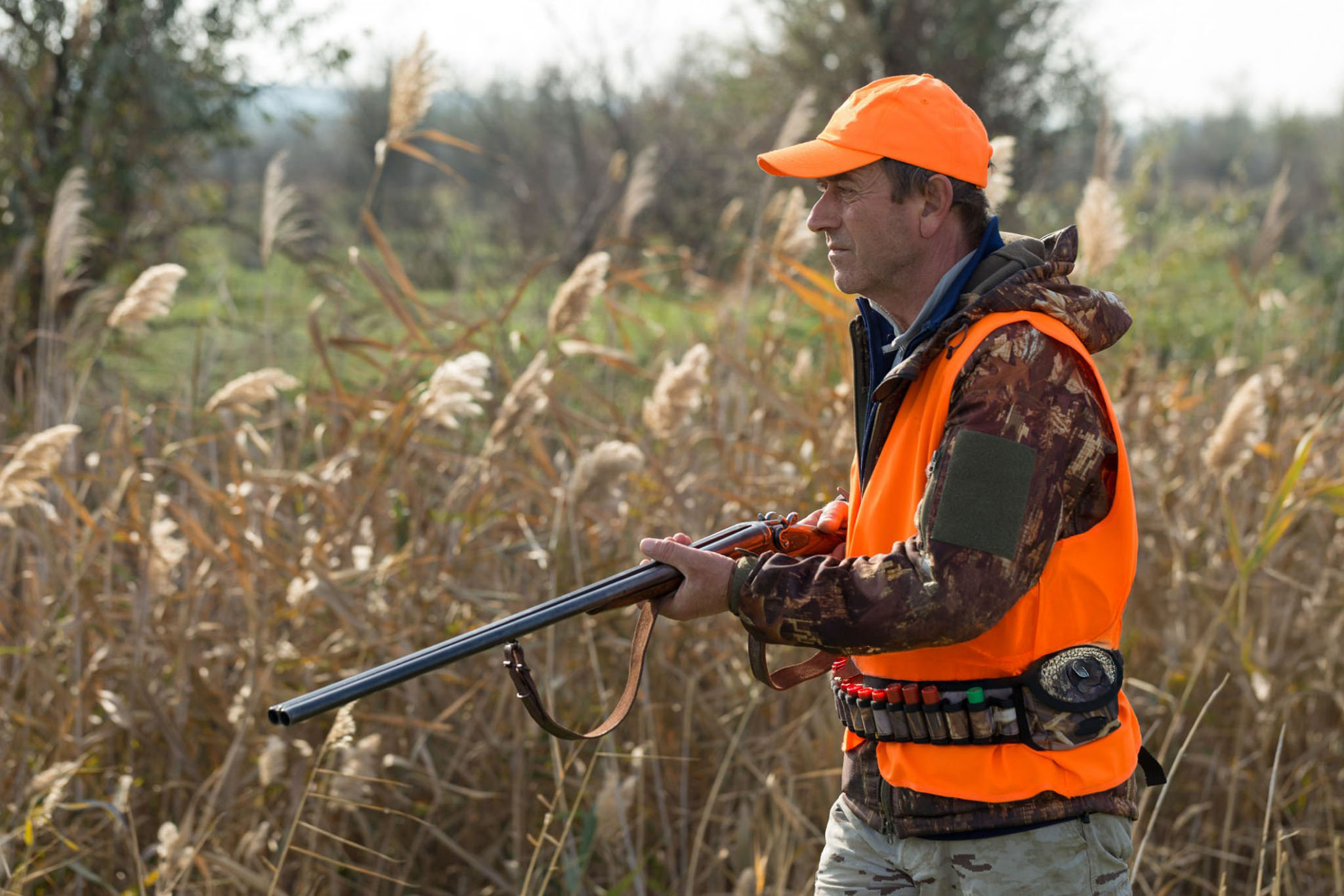
Winter hunting has its own soundtrack—one made of frozen leaves, brittle grass, and icy topsoil that crackles under your boots like shattered glass. Every hunter knows the feeling: you slip into the woods before daylight, take one step, and the noise echoes through the timber like a warning siren. When the ground is locked in frost or coated with crusty snow, stealth becomes its own skill—one many hunters never actually practice.
But here’s the truth: you can move quietly, even on the loudest winter mornings. With the right footwork, tactical planning, and terrain awareness, you can slip through frozen woods like a ghost. This guide breaks down the techniques elite late-season hunters use to stay silent when the cold seems determined to expose every move you make.
Why Winter Noise Travels Farther
Winter doesn’t just make the ground louder—it makes the air more sensitive. Several factors amplify sound:
1. Dense Cold Air Carries Sound Better
Cold air molecules are tightly packed, allowing soundwaves to travel long distances with minimal distortion. A snapped twig that might disappear in October leaves can echo across an entire ridge in December.
2. Bare Woods Offer No Sound Buffer
Thick summer foliage does a great job of absorbing sound. But winter woods are empty and open, turning every noise into an amplified broadcast.
3. Frozen Layers Add “Glass” to Your Footsteps
- Frost-covered leaves
- Ice patches
- Crusty snow
- Frozen mud
All create brittle, sharp surfaces that resist being compressed quietly.
Understanding these challenges is the first step toward overcoming them.
Mastering Quiet Winter Movement
1. Slow Down to Half—or Even a Third—Your Normal Pace
This is the number-one rule winter hunters ignore.
Quiet walking isn’t about light steps—it’s about slow ones.
When you move slowly:
- You apply less force
- Your weight settles more gradually
- Ice and leaves don’t “pop” under your boots
- You can stop mid-step before committing to a noisy surface
Still-hunting experts often say:
“If you think you’re going slow, cut it in half.”
2. Step on the Quietest Surfaces—Not the Most Obvious Path
In winter, the straightest line is rarely the quietest one.
Seek out:
- Bare dirt patches exposed by wind
- Moss around logs and roots
- Shadows (they hold more moisture and less frost)
- Downed leaves packed tightly by snowmelt
- Soft edges of game trails
Avoid stepping on:
- Frost-glazed leaves
- “Cornflake” snow crust
- Dead sticks under overhangs
- Hollow frozen mud pockets
When in doubt, test the ground with your boot edge before shifting full weight.
3. Use the “Fox Walk” Technique
Indigenous trackers and modern special-forces teams rely on this footwork because it works exceptionally well in noisy terrain.
How it works:
- Place the outside edge of your foot first.
This tests the surface without applying full pressure. - Roll inward slowly.
Shift weight in a smooth 1–2–3 motion. - Do not lift your foot high.
Short, controlled steps are quieter than long ones. - Never commit until you feel the ground compress quietly.
This technique instantly reduces snap, pop, and crunch noises.
4. Stealth-Stop Frequently
Winter hunting rewards patience.
Move in short bursts:
- 3–5 slow steps
- 10–30 seconds of stillness
These pauses serve two purposes:
- They prevent constant noise that alarms game.
- They allow you to scan, listen, and time your next movement.
Predators—coyotes, mountain lions, bobcats—use this pattern constantly. Humans should too.
5. Time Your Steps With Ambient Noise
Even in winter, the woods aren’t completely silent. Use the sounds nature provides:
- Wind gusts
- Squirrel chatter
- Falling snow clumps
- Distant geese or crows
- Creek noise
Moving during “cover sound” moments can mask your footsteps dramatically.
If the woods are dead calm?
Move slower, take fewer steps, and use terrain to your advantage.
Using Terrain for Noise Reduction
1. Walk in Wet Drainages and Low Spots
Shadows and low ground hold moisture, making:
- Leaves softer
- Ground less brittle
- Snow less crusty
- Steps far quieter
Small drainages often provide stealth corridors that lead toward feeding or bedding zones.
2. Use Log Lines as “Silent Highways”
Downed logs—especially old, soft ones—are surprisingly quiet.
Walk on:
- Large decomposed logs
- Mossy trunks
- Fallen timber covered with snow
Avoid:
- “Drummy” newer logs
- Hollow-sounding deadfalls
Practice balancing on logs; it’s a winter-stealth superpower.
3. Side-Hill to Stay on Softer Soil
South-facing slopes thaw faster and freeze slower.
North-facing slopes remain crunchy and risky.
Whenever possible, favor:
- Southern exposures
- Gentle side-hills
- Wind-blown saddles
These areas reduce noise and increase visibility at the same time.
Boot Choices That Help You Move Quietly
1. Flexible Soles Make Less Noise
Stiff soles transfer more force—and more sound—into the ground.
A slightly flexible hunting boot acts like suspension, cushioning each step.
2. Smaller Lug Patterns = Less Crunch
Aggressive mountain-style lugs are louder in frozen leaf litter.
Look for:
- Softer rubber compounds
- Tighter tread patterns
- Quieter “rolling” traction
3. Insulation Reduces Sharp Heel Strikes
Warm boots keep your feet relaxed, allowing smoother movement.
Cold feet = stiff steps = loud walking.
Mental Discipline: The Hidden Key to Silent Hunting
Most hunters know how to walk quietly.
Few have the patience.
To truly master crunch-free movement:
- Accept that you’ll cover less ground
- Let curiosity guide your pauses
- Stay mentally calm
- Slow your breathing
- Focus on placing every step
If you feel rushed, you’ll make noise.
If you relax into the pace, you’ll move like an animal instead of a human.
Final Thoughts: Silent Walking Wins Late-Season Hunts
When the ground sounds like a bag of broken glass, most hunters give up on stealth. But the ones who learn to move quietly in winter gain a massive advantage. With fewer hunters in the woods, every quiet step increases your odds of slipping into bedding areas, feeding zones, or late-season travel routes without ever being detected.
Stealth is a skill—one you can refine every time you enter the frozen woods. Walk with intention, move with patience, and let winter work for you, not against you.
