
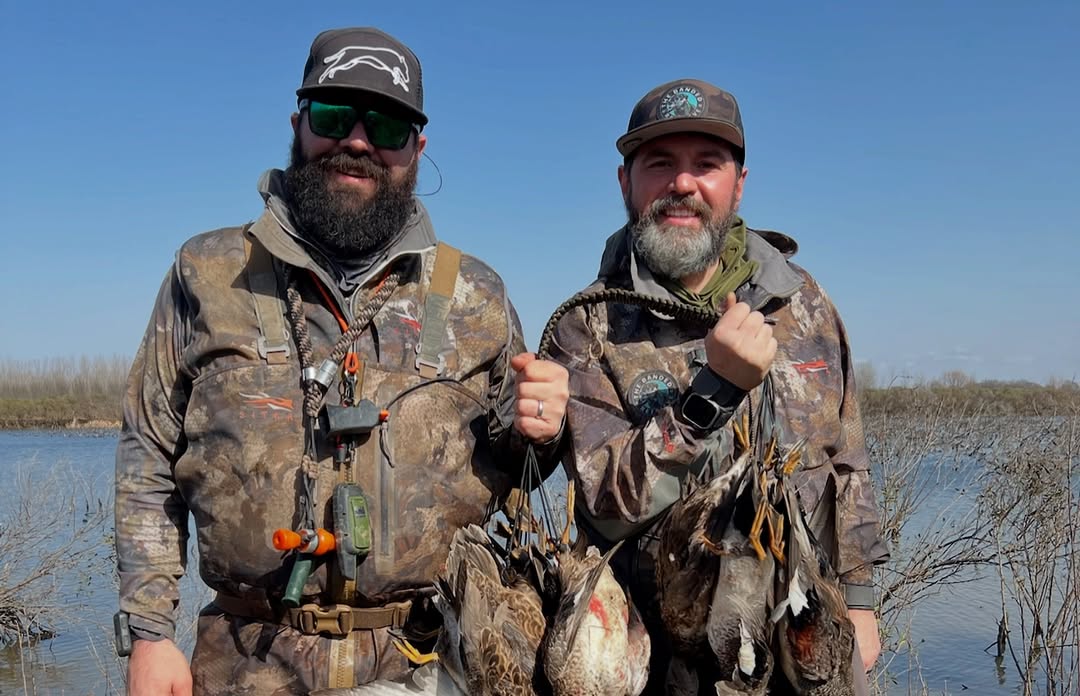
When winter clamps down and the marsh starts to lock up, many hunters hang it up early—assuming the birds have moved on or become impossible to pattern. But seasoned waterfowlers know better. The coldest weeks of the season often create some of the best mallard hunting of the year, and it all revolves around one thing:
The last surviving patch of open water.
When 95% of a marsh freezes, the remaining 5% becomes a magnet. Mallards pile in every day, sometimes every hour, drawn by survival instincts older than the flyways themselves. If you understand how to find that final pocket of open water—and how to hunt it without blowing out the birds—you can turn deep-winter conditions into your biggest opportunity.
Let’s break down the science, strategy, and field-tested tactics that make hunting frozen marshes so effective.
Why That Last Patch of Open Water Is a Mallard Goldmine
1. Limited Water = Concentrated Birds
Mallards can feed in fields, loaf on ice edges, and rest in cattails—but they must have open water to:
- Roost safely
- Drink
- Preen
- Trade heat through open-water thermoregulation
When everything else freezes, the remaining open hole becomes the only viable roost for hundreds of ducks.
2. Open Water Offers Safety
Predators struggle on slick ice.
Coyotes avoid thin surfaces.
Eagles prefer open water for a clean attack line.
Mallards instinctively choose the safest area available—and that’s always the open hole.
3. Water Carries Warmth
Even when air temperatures are brutal, the unfrozen water remains warmer than:
- Snow
- Ice sheets
- Shoreline mud
Mallards gravitate toward these microclimates because they reduce energy loss.
Finding the Last Pocket: The Science Behind What Stays Open
Not all openings are equal. Some patches stay open long after the rest of the marsh has locked tight. Focus on these high-percentage areas:
1. Wind-Exposed Corners
Strong crosswinds keep ice from forming by:
- Breaking surface tension
- Preventing skim ice
- Mixing the top water layers
Look for open water where north or northwest winds hit the marsh directly.
2. Submerged Vegetation and Deep Troughs
Vegetation traps and holds heat.
Deeper pockets freeze slower.
Where the two meet, you’ll often find the last workable water.
3. Beaver Channels and Runs
Beaver ponds, runs, and feeding lanes create moving water—the enemy of ice.
You’ll often find mallards stacked in these narrow openings.
4. Springs and Groundwater Seeps
Even small natural springs can keep a hole open the size of a pickup.
In deep winter, that’s the difference between empty skies and a loaded strap.
How to Hunt Frozen Marsh Open Water Without Blowing Out the Birds
Late-season mallards are sharp. They’ve heard every call, seen every decoy, dodged every sky-buster. Hunting a small open patch requires finesse and discipline.
Here’s how to do it right.
1. Stay Back and Blend In
Do NOT set up right on the water’s edge.
Small holes can’t tolerate pressure. If you’re too close, birds will flare the moment they see movement.
Set up:
- 20–40 yards back
- In cattails, buckbrush, or snow patches
- With your silhouette broken up
Mallards flying over ice get an incredible vantage point. Your hide must be flawless.
2. Use Ultra-Realistic Decoy Spreads
When water is limited, ducks expect to see tight, natural groups—not big spreads.
Use:
- 6–12 mallard floaters (hens-heavy spread is natural this time of year)
- 2–3 sleeper shells on the ice edge
- A pair of fully flocked mallards for realism
- One drake on a jerk cord (motion matters more in cold air)
Late-season birds key in on subtle details. Clean, dull, realistic decoys outperform bright plastics every time.
3. Call Like the Marsh Is Frozen—Because It Is
Mallards in winter conserve energy. They’re not yapping or raising a ruckus. Your calling should match their behavior.
The three cold-weather call tools:
- Soft quacks
- Low, lazy feed chuckles
- Single hen greeters (spaced out, not rapid-fire)
Avoid:
- Loud hail calls
- Fast cadences
- High-volume chatter
Late-season mallards are calm and measured—so you must be too.
4. Keep the Hole Open—Without Ruining It
Maintaining the open water is crucial. But you must do it carefully.
The best methods:
- Break ice quietly with a push pole
- Remove large sheets (don’t leave shiny shards)
- Wiggle decoys after setup to keep the surface moving
Avoid kicking or stomping aggressively—sound travels far under frozen conditions.
5. Hunt the Edges of the Weather Window
Frozen-march mallard hunting peaks during specific conditions. Watch these windows closely.
Top Conditions:
- The first morning after a hard freeze
- During a warmup that softens ice edges
- On a stiff wind that reopens small pockets
- When snow reduces visibility and pushes ducks low
When the weather shifts, mallards shift with it—and the open-water pocket becomes the heartbeat of the marsh.
6. Leave the Roost Alone (or Lose the Hole Forever)
In winter, disturbing a roost can destroy it for the season.
If the open pocket is functioning as a roost:
- Hunt the transition area instead
- Set up downwind of their flight line
- Shoot morning or midday, not the last light
Let them return in peace. The next day will be just as strong.
7. Manage Pressure—Your Success Depends on It
Frozen marsh ducks do not tolerate constant disturbance.
Follow these rules:
- Never hunt the same hole two days in a row
- Keep group sizes small (2–3 hunters max)
- Don’t sky-bust
- Avoid excessive calling
- Don’t chase cripples into the hole if you can retrieve them after the hunt
Protect the resource, and the birds will reward you.
Bonus Tip: Watch the Ice Line Like a Trail Camera
As the marsh freezes, mallards follow predictable patterns:
- They sit on the ice edge
- They loaf in warm pockets
- They feed near the thaw line
- They return daily to the same opening
This makes them surprisingly patternable—if you observe carefully.
Final Thoughts: Frozen Marshes Are a Blessing, Not a Barrier
Most hunters disappear when the marsh locks up. But if you understand winter behavior and know how to identify and hunt the last open patch, you’re stepping into one of waterfowling’s most productive periods.
In a frozen world, open water is life.
For mallards.
And for hunters smart enough to use it.
