
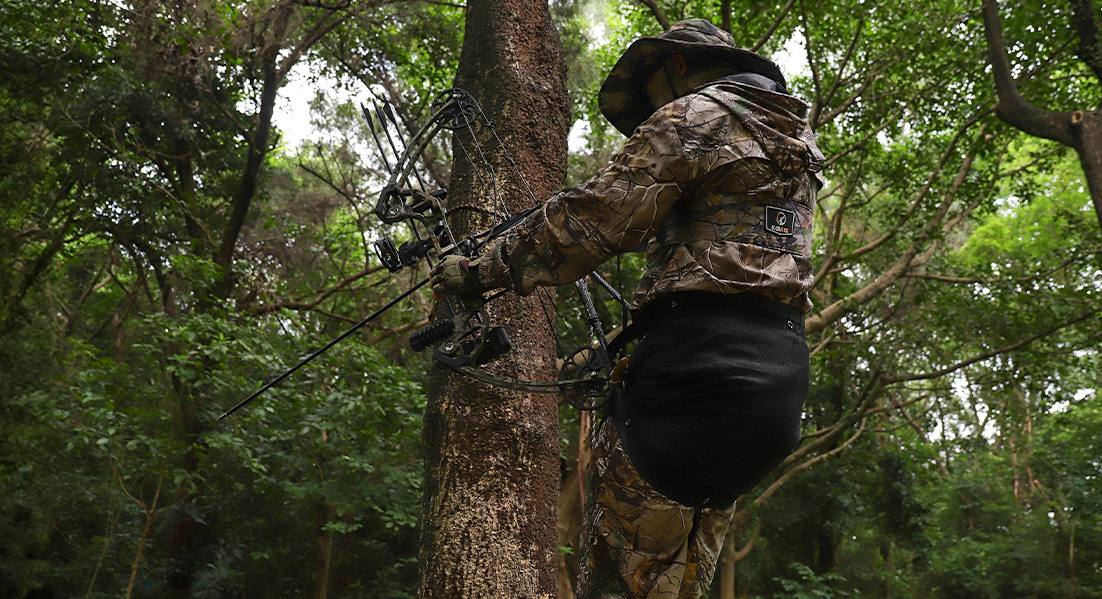
When winter settles in and temperatures drop below freezing, wildlife behavior shifts dramatically. Deer, elk, predators, and even late-season waterfowl conserve energy, move less, and become harder to coax into range. Many hunters assume that calling and scent strategies stop working once the landscape turns white—but the reality is the opposite. During the coldest months, your choices in scents and calls matter more than ever. The key is understanding how animals behave in winter and how to use subtle, realistic tactics that match their slow, energy-conserving patterns.
Here’s a detailed guide to what actually works for winter scents and calls—and how to use them to overcome the sluggishness of cold-season game.
Why Winter Game Responds Differently
In early fall, animals are active, aggressive, and vocal. By winter, their priorities narrow:
- Energy conservation becomes a survival tactic.
- Food sources dominate movement patterns.
- Mating pressures fade, so rut-based aggression plummets.
- Sound travels farther in crisp winter air.
- Scents linger longer due to cold, dry conditions.
This combination means that high-energy calling sequences or overpowering scents often feel unnatural to game. Instead, success comes from quiet realism and precise scent placement.
Best Winter Scents That Actually Work
1. Food-Based Scents (Top Winter Performer)
When bucks, does, and even predators are running on half their normal energy reserves, food becomes the strongest attractant.
Most effective winter food scents:
- Sweet corn
- Apple or apple-crush blends
- Acorn blends
- Molasses or sugar-based lures
- Anise for predators (a known curiosity trigger)
Why they work
Winter wildlife seeks easy calories. A food scent layered near a trail, cut cornfield, or bedding area can draw curious animals that don’t have the energy to pass up an opportunity.
How to apply
- Use small amounts; winter air carries scent long distances.
- Place upwind of natural food sources to mimic realism.
- Pair with minimal calling or no calling at all.
2. Doe Bedding and Calming Scents
When deer are pressured and lethargic, they become ultra-sensitive. Calming scents replicate a relaxed environment, convincing deer that nothing is wrong nearby.
Works best for:
- Late-season bowhunters
- Ground blinds
- Morning sits near bedding cover
Pro Tip
Apply the scent to boots, blind entrances, or nearby tree limbs, not directly on your gear or body.
3. Post-Rut Doe Urine (Mild, Not Estrus)
Estrus scents lose their credibility after peak rut. However, regular doe urine still plays an important role.
Why?
Bucks in December often shadow does simply because they share food sources and bedding areas. A subtle doe-in-the-area scent fits winter behavior perfectly.
Don’t Use:
❌ Strong rut scents
❌ “Dominant buck” musk
These feel unrealistic during the quiet, exhausted post-rut period.
Best Winter Calls That Still Get Responses
1. Soft Grunts (Highly Effective When Used Sparingly)
Winter bucks may not fight—but they’re still curious.
Use:
- Two- or three-note soft grunts
- Long pauses between sequences
- Calls timed with natural deer movement periods (first light, last hour)
Why it works
A soft grunt is low-energy, non-aggressive, and fits winter behavior. It signals:
“Another buck is feeding nearby—no threat.”
2. Contact Bleats for Does and Late-Season Bucks
Contact bleats mimic calm communication among deer. In December woods, this is exactly how deer behave—quiet, slow, and cautious.
Best uses:
- Thick bedding areas
- Transition zones between food and cover
- When visibility is low and sound is critical
Bleats can gently pull deer into view without triggering alarm.
3. Predator Calls (Rabbits & Rodents) for Coyotes and Bobcats
Predator hunters know winter calling is prime time. With prey scarce, predators respond fast and aggressive—the opposite of deer.
Most effective winter predator calls:
- Distressed rabbit
- Rodent squeaks
- Bird distress
Because predators are hungry and opportunistic during winter, calling sequences can be more frequent compared to deer calls.
4. Subtle Turkey Yelps for Winter Flocks
If you’re chasing late-season turkey opportunities:
- Use light yelps
- Soft clucks
- Occasional feeding purrs
Winter flocks are tightly grouped and less vocal, so call just enough to sound believable—not dominant.
How Winter Conditions Change Calling Strategy
1. Sound Travels Farther
Cold air is dense and carries sound long distances.
A soft grunt can travel the same distance as a loud one in September.
2. Overcalling = Guaranteed Failure
Game animals burn fewer calories in winter. If your calling sounds aggressive, energetic, or overly repetitive, it immediately feels unnatural.
Winter calling rule:
Less volume. Less frequency. More realism.
3. Direction Matters More
With leaves gone and timber open, deer can pinpoint sound direction precisely.
A misplaced loud call can spook animals that know the call came from an unnatural location.
How to Pair Scents and Calls for Maximum Winter Success
Best Low-Pressure Combination
- Food-based scent
- Light grunt every 20–30 minutes
Perfect for late-evening hunts on cut fields.
Best Bedding-Area Setup
- Calming scent on entry path
- Soft doe bleat sequence
This reassures deer the area is safe.
Predator Combo
- Rabbit distress every 4–6 minutes
- Anise or curiosity scent
Predators react quickly in cold weather when hunger hits.
Mistakes Hunters Make in Winter
❌ Using breeding scents after the rut
❌ Calling too loud or too often
❌ Overusing attractants and contaminating the area
❌ Calling in wide-open woods where animals can instantly verify your location
❌ Expecting rut-like responses in December
Winter success is all about subtlety, patience, and matching natural behavior.
Final Thoughts: Winter Is Subtle, But Highly Productive
When game is sluggish and conserving energy, the right scents and calls can become powerful tools—but only if used with realism.
Game animals still communicate. They still smell. They still respond to opportunity.
The trick is to speak their winter language:
- Quiet.
- Slow.
- Minimal.
- Natural.
- Precisely placed.
Master these winter scent and call strategies, and you’ll turn the coldest days of the season into some of your most productive hunts.
