
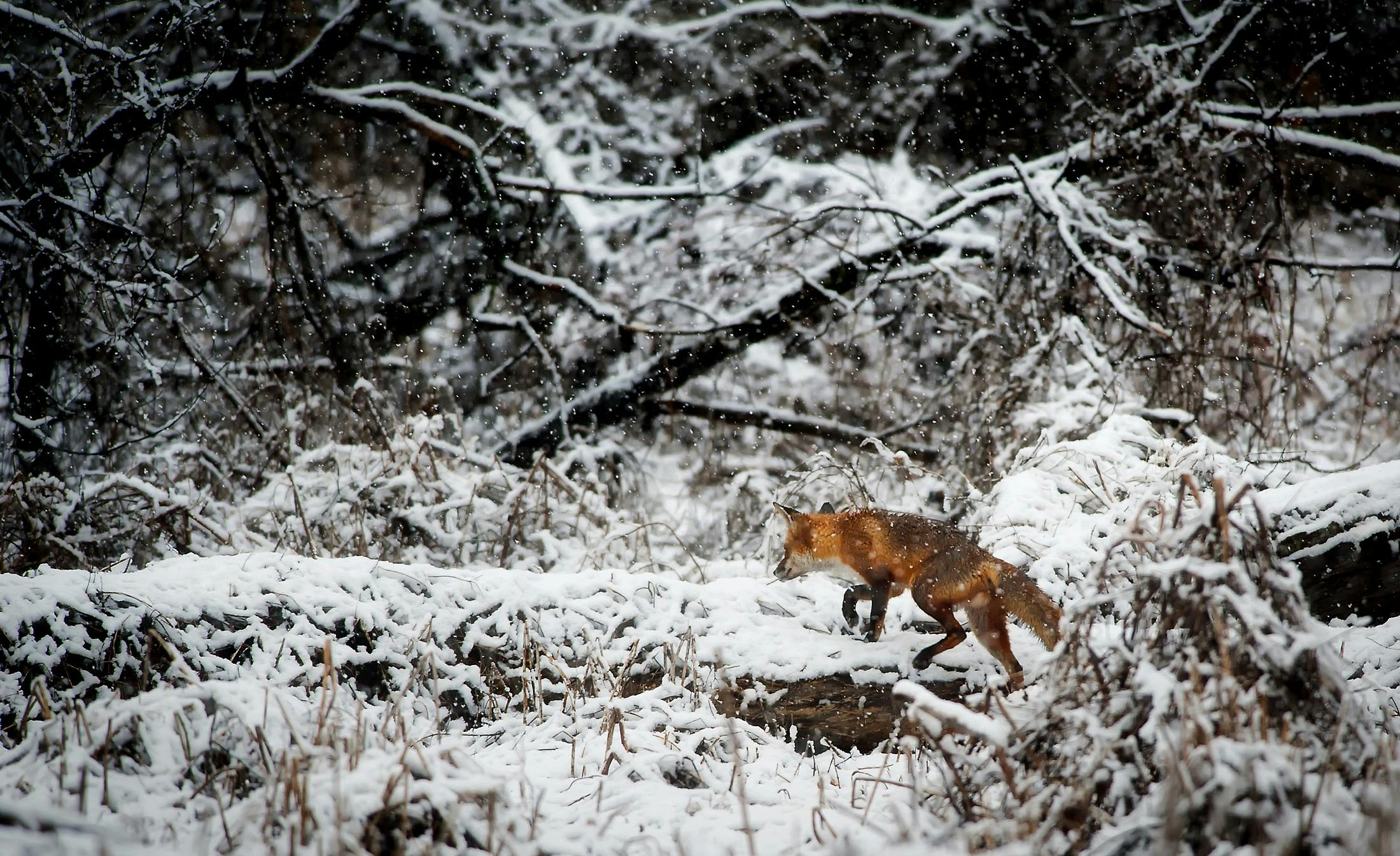
When winter settles in and frost wraps the landscape in a thin silver coat, fox hunting becomes a completely different game. Cold, still air magnifies sound, tightens fox travel routes, and amplifies every mistake a hunter makes. But it also creates one of the best calling windows of the entire season—when foxes must work harder to find calories, listen more intently, and travel more predictably.
This guide breaks down the calling techniques, setups, and gear adjustments that consistently produce foxes in quiet, freezing weather. Whether you’re targeting reds weaving through hardwood bottoms or quick, sharp-grayed coyotes in open farmland, these strategies will help you turn frosty mornings into high-action hunts.
Why Frosty Conditions Change the Game
1. Still Air Carries Sounds for Miles
Wind is one of the biggest obstacles in fox hunting. When it drops to almost nothing, your calls—especially high-pitched distress sounds—travel farther and more clearly. Foxes relying on acute hearing will often respond from greater distances than on mild, breezy days.
2. Energy Needs Spike in Early Winter
Once temperatures dip below freezing, foxes burn calories faster. This means:
- More frequent hunting windows
- Longer travel cycles
- A higher likelihood they’ll investigate distress calls
Cold air doesn’t just make them hungry—it makes them reckless.
3. Frost Reduces Natural Noise
Crunchy leaves stiffen under a frost layer, but overall forest noise drops dramatically. No insects. No wind. No rustling.
A fox entering a call set breaks the silence like a drumline—making it easier to hear them before you see them.
Choosing Calls That Shine in Cold, Still Air
1. High-Pitched Rabbit Distress
Foxes are naturally drawn to high frequencies, and freezing air carries these crisp tones beautifully. Great options include:
- Cottontail distress
- Baby rabbit squeals
- Rodent squeaks
Short, frantic bursts work best. Think panic, not long wails.
2. Bird Distress Calls for Open Country
Because birds are active year-round, foxes never stop keying in on them.
Use:
- Woodpecker distress
- Starling distress
- Flicker screech
These cut through cold air and stay believable even in wide-open frost-covered terrain.
3. Pup Yelps for Reds
Red foxes respond especially well to fox-pup distress on cold mornings.
Use it sparingly, though—it’s a powerful sound and can trigger an aggressive charge.
4. Mouth Calls vs. Electronic Calls
Electronic calls excel in the cold because they:
- Maintain perfect pitch
- Don’t freeze up
- Can be placed 20–40 yards away to divert eyes from the hunter
But mouth calls still work well if you:
- Keep reeds dry
- Warm the call periodically inside your jacket
Either tool can shine—consistency is the key.
Cold-Air Calling Sequences That Work
Sequence A: Frost-Covered Timber Setup
Best for: Red fox in thick cover
- Start with 30–45 seconds of soft rodent squeaks
- Wait 1–2 minutes
- Switch to a short rabbit-distress burst
- Pause for 3 minutes
- Repeat the cycle for 15–18 minutes
This mimics a real feeding event and draws foxes out cautiously.
Sequence B: Frozen Fields or Farmland
Best for: Gray fox in open terrain
- Begin with loud bird distress
- Add 45–60 seconds of more frantic squeals
- Drop the volume for the next cycle
- Repeat every 2–3 minutes for 12–15 minutes
Grays are fast responders—expect them to come in hot.
Sequence C: Pup Distress Closer
Best for: Red fox late in the morning
- A single 20–30 second pup yelp
- Wait 3 minutes
- Repeat only once or twice
If a fox is nearby, it won’t wait.
Positioning Yourself for Still-Air Success
1. Minimize Movement—Fox Eyes Are Brutal
Cold air makes the woods visually crisp. Foxes pick up micro-movements.
Stay still, shoulder your gun early, and avoid turning your head.
2. Use Shadows—Even on Bluebird Mornings
Frost reflects light, making hunters stand out.
Snow or frost cover means:
- Sit in dark shade
- Break up outline with cedar or weeds
- Avoid skyline ridges
3. Place Electronic Calls Upwind
In still air, scent hangs low and spreads slowly.
Placing the call slightly upwind forces a fox to cross your shooting lane.
Gear Adjustments for Frost-Hunt Comfort
1. Insulated, Quiet Layers
Avoid fabrics that stiffen or crinkle in the cold.
Soft-shell outerwear is ideal because it stays flexible in sub-freezing weather.
2. Frost-Proof Boots
Good traction matters—frozen soil is slick.
Look for boots with:
- Aggressive tread
- Waterproof membranes
- Moderate insulation to prevent sweating
3. Optics That Handle Frost
Cold lenses fog fast.
Bring:
- Anti-fog wipes
- A breathable scope cover
- Backup open sights for close-range foxes
Reading Fox Behavior in Frost
1. Reds Travel Edges Early
They prefer:
- Brush lines
- Tree rows
- Fence rows
Frost exaggerates track visibility—use it to map travel patterns.
2. Grays Hold Close to Cover
In freezing calm weather, grays won’t expose themselves.
Expect them:
- In drainages
- Near thick vine tangles
- Under brush piles
3. Mid-Morning Can Be the Hot Window
Frosty mornings mean:
- Delayed movement
- Heavy feeding around 8–10 a.m.
Don’t leave the field too early.
Final Thoughts: Frost Creates Opportunity
Still, cold air doesn’t just make hunting harder—it makes calling more effective.
Sounds travel farther. Foxes feed harder. Tracks reveal more. And every carefully executed call sequence can trigger a lightning-fast response.
Mastering fox calls in frosty conditions takes patience and practice, but those quiet, freezing mornings often deliver the most unforgettable hunts of the season.
