
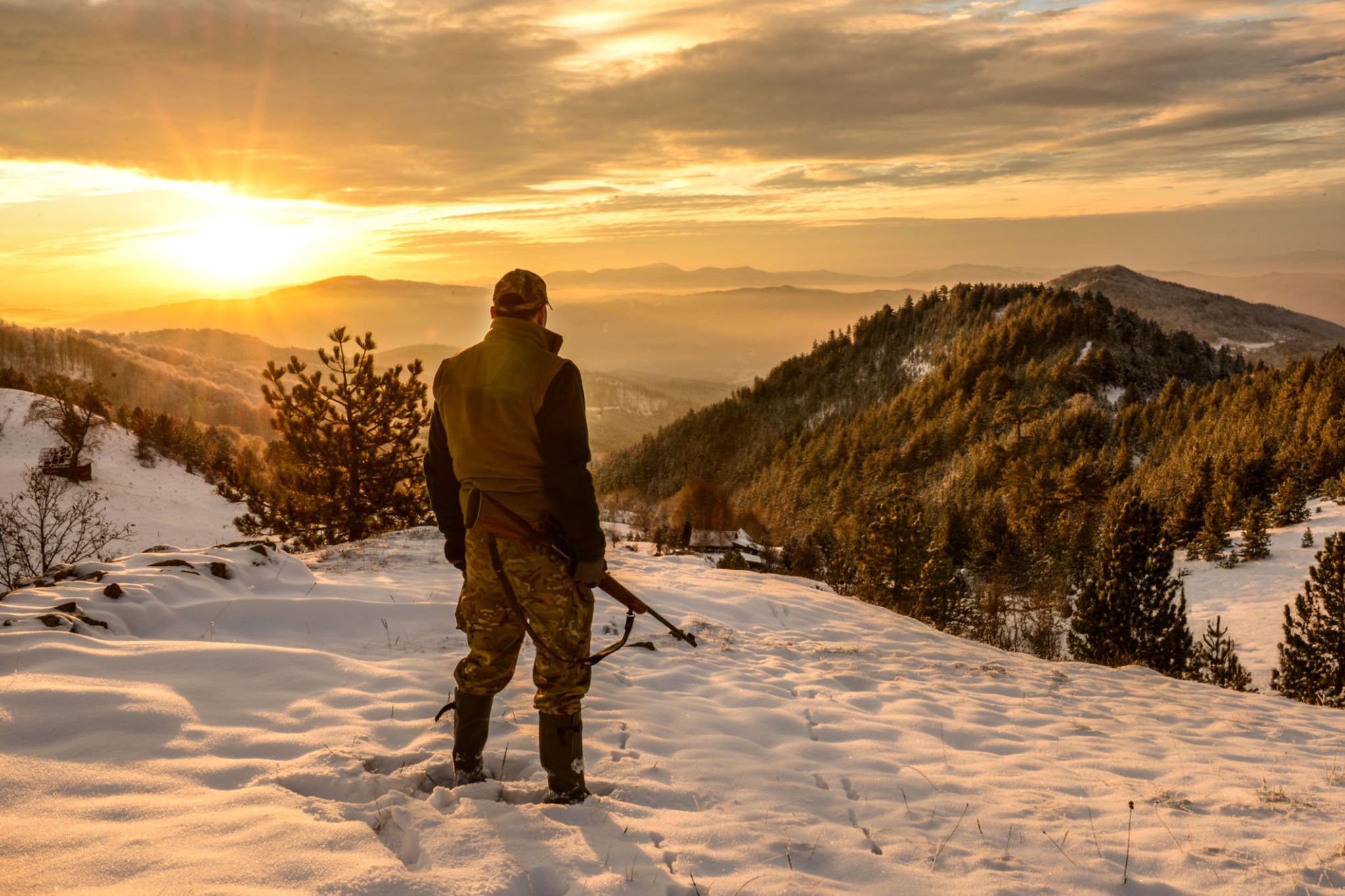
When most hunters pack up and head home at the first sign of a whiteout, a small group quietly gears up. They know something many don’t: extreme snow conditions don’t shut down game movement—they redefine it. When visibility drops to inches and wind-driven snow erases the landscape, animals shift into a survival pattern that’s predictable, focused, and highly exploitable for hunters willing to brave the storm.
Whiteouts aren’t just a challenge. They’re an opportunity. With the right tactics, gear, and reading of animal behavior, hunters can transform one of nature’s toughest conditions into one of the most productive windows of the season.
Why Whiteouts Create a Prime Hunting Opportunity
1. Animals Move Out of Necessity
Deer, elk, and predators don’t freeze in place during whiteouts—they move:
- To escape wind
- To find thermal cover
- To browse sheltered food sources
- To stay oriented
This movement is slower, more deliberate, and more predictable.
2. Snow Muffles Everything
Fresh swirling snow absorbs sound, giving hunters:
- Quiet foot travel
- Masked gear noise
- A near-silent approach
It’s one of nature’s best noise-canceling systems.
3. Hunters Become Nearly Invisible
When snow reduces visibility to a few feet, your outline softens and blends. Animals rely more on smell and sound—both of which you can control better than visibility.
4. Predators Are More Active
Whiteouts force prey species into thick cover. Coyotes, bobcats, and foxes know it—and they start patrolling edges aggressively. This is one of the best times of winter for predator calling.
How Animals Behave When Visibility Drops
Understanding these behavioral shifts is the key to capitalizing on whiteout hunts.
Deer
Whitetails and mule deer avoid wide-open fields and gravitate to:
- Leeward hill sides
- Drainage cuts
- Snow-loaded conifer stands
- Brushy creek bottoms
They move more during daylight because the storm gives them cover.
Elk
Elk react strongly to wind and snow. During whiteouts, they:
- Drop elevation
- Micromigrate to wind-blocking timber
- Stick to predictable travel corridors
They rarely bed in exposed meadows under severe snow.
Coyotes
Coyotes become bold during whiteouts. They:
- Slip through fencelines and cattail edges
- Hunt small game exposed by drifting snow
- Respond well to soft distress calls
They rely on hearing and scent far more than visual cues.
Upland Game Birds
Pheasants and grouse bury into snowbanks or settle deep in grass. They hold tight—sometimes within a few steps of your boots.
Smart Strategies for Hunting Whiteout Conditions
1. Hunt the Downwind Side of Cover
Whiteouts are almost always wind-driven. Animals instinctively turn their backs to the wind and move toward shelter.
Prime locations include:
- Leeward slopes
- Conifer thickets
- Brush-filled creek bottoms
- Willow patches in low draws
Set up on the protected side of structure—not the wind-swept one.
2. Slow Down Your Movement—Way Down
In a whiteout, animals are already moving slowly. Your pace should match:
- One step every few seconds
- Long pauses
- Frequent glassing, even at close range
You’re hunting with feel, not sight.
3. Use Sound to Your Advantage
Whiteout snow absorbs sound, but wind amplifies it unpredictably. Use:
- Quick grunt sequences for deer
- Soft rabbit distress for predators
- Subtle cow mews for elk
Keep calling cadence natural—short, spaced-out sounds work best in storms.
4. Pay Attention to Drift Lines
Snowdrifts reveal patterns animals use:
- Drift edges form wind breaks
- Animals often walk along drift seams
- Predators use drift lines to track prey scent
Think like an animal and move along the path of least resistance.
5. Use Landmark-to-Landmark Navigation
Even hunters can lose their orientation quickly. Use:
- Fence posts
- Tree lines
- Rock outcroppings
- Power poles
Move from landmark to landmark like stepping stones.
Gear That Gives You the Edge in Whiteouts
1. High-Visibility Safety Items
Even if game can’t see far, you still want visibility for safety:
- Blaze orange beanie
- Orange pack flag
- Reflective strip on your coat
Whiteouts can erase a hunter from sight in seconds.
2. Snow-Optimized Clothing
Avoid noisy, crunchy fabrics. Choose:
- Soft-shell outer layers
- Insulated, flexible gloves
- Moisture-wicking base layers
Stay warm without sacrificing stealth.
3. Anti-Fog Optics
Snow-laden air will cloud inferior lenses. Use:
- Fog-resistant glass coatings
- Large ocular lenses
- Compact binoculars for close-range scanning
Avoid constant wiping—let moisture settle naturally before clearing.
4. Insulated Waterproof Boots
Standing in drifting snow drains body heat faster than wind. Good boots:
- Retain warmth
- Offer ankle support
- Shed slush and wet snow
Short hunts can turn long when conditions are productive—you need warm feet.
Tactics for Different Game Species
Whitetail Deer
- Sit on leeward bedding edges
- Hunt pinch points formed by wind
- Use quiet blind setups in brush
Deer move early in whiteouts, not late.
Elk
- Follow contour lines to find wind-protected pockets
- Look for fresh tracks filling rapidly with snow
- Hunt timber edges using cow talk sparingly
Elk don’t vocalize much during storms—neither should you.
Coyotes
- Call softly at first
- Set up with the wind in your favor—scent is everything
- Expect them to appear at very close range
Bright-colored decoys stand out well in whiteouts.
Upland Birds
- Kick through grass edges
- Work field edges where snow buries food sources
- Expect birds to flush late and low
This can be some of the most productive upland hunting of winter.
Safety Tips You Shouldn’t Ignore
Whiteouts are productive—but can be dangerous.
- Always carry GPS and a compass
- Mark your truck with a tall flag or reflective beacon
- Keep spare gloves in a waterproof pocket
- Don’t rely on cell service
- Protect your face from windburn and ice abrasion
A good hunt isn’t worth getting disoriented or frostbitten.
Final Thoughts: Whiteouts Don’t Limit Hunters—They Level the Playing Field
When snow cuts visibility to inches and wind turns the world white, most hunters call it quits. But whiteouts are not the end of the season—they’re one of the most revealing moments of winter wildlife behavior. Animals move predictably, cover becomes more valuable, and sound becomes your most powerful tool.
The hunters who embrace the storm discover a truth seasoned woodsmen already know:
When the world disappears behind a veil of snow, your chances often appear right in front of you.
