
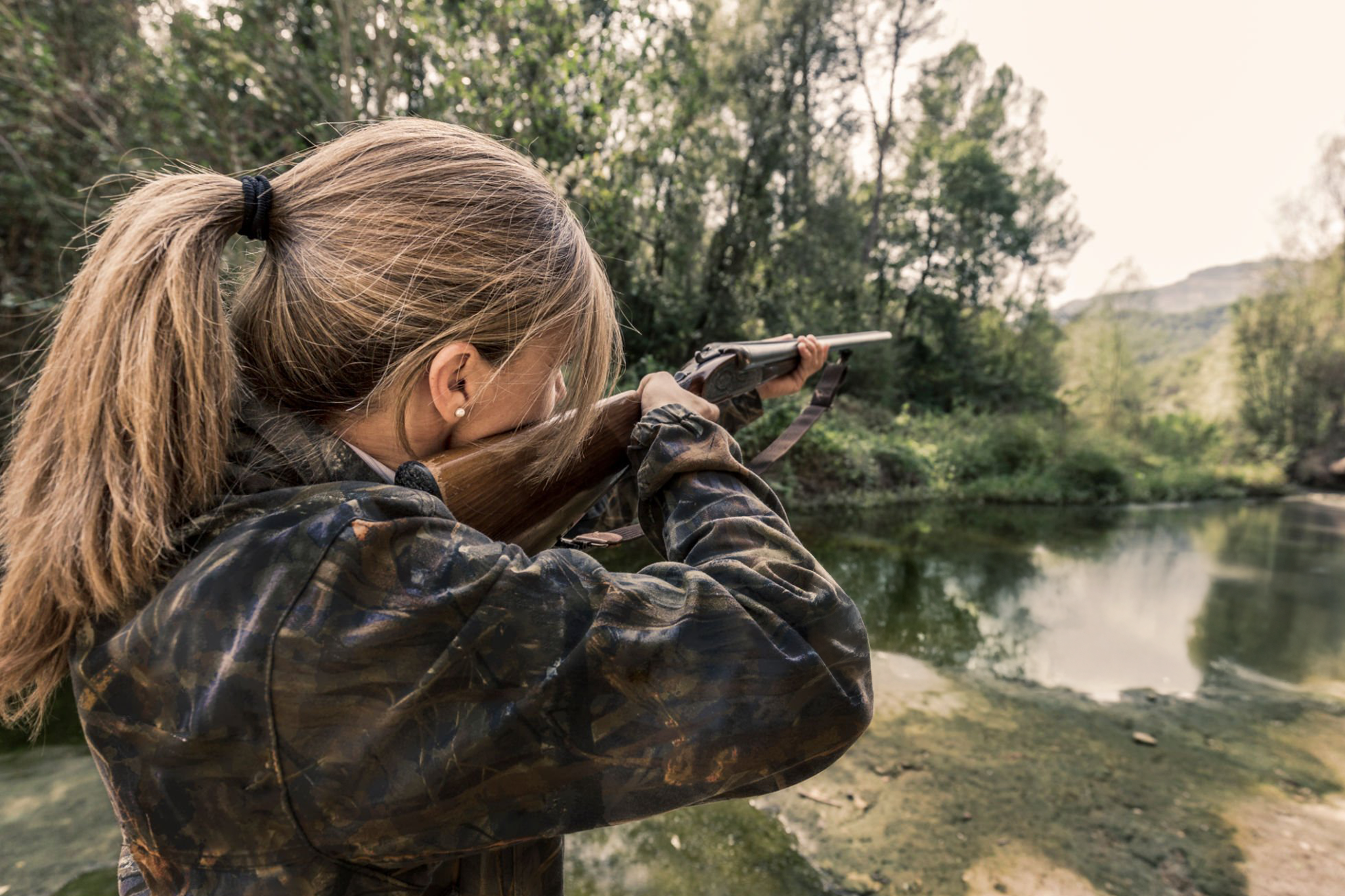
When December rolls into January, most duck hunters run into the same frustrating reality: the birds have heard it all. Every mallard, pintail, and gadwall still flying south at this point has been educated by weeks—sometimes months—of nonstop calling pressure. They’ve dodged decoy spreads from Canada to Missouri and from the Dakotas to Arkansas.
By late season, it’s no longer about calling more. It’s about calling smarter. Ducks at this stage reward realism, restraint, and perfectly timed vocal cues. Here’s how to sound like the one hunter they haven’t heard yet.
Why Late-Season Ducks Are Harder to Fool
Late-season waterfowl behave differently for two simple reasons:
1. They’re Call-Weary
Migrating ducks have followed the flyway for hundreds of miles, and by now they’ve heard loud hail calls from every rice field, flooded timber stand, and marsh along the route. They learn fast—and they remember.
2. Weather Changes Their Priorities
In cold weather, ducks move with purpose. They’re burning calories fast and searching for shelter, open water, and high-calorie food. If your calling doesn’t align with those priorities, they flare the second they pinpoint inconsistency.
The Late-Season Calling Principles That Actually Work
1. Volume Down, Realism Up
In early season, hunters can blast hail calls across the marsh to grab fast-moving birds.
In late season? That same move sends ducks running the other way.
Ducks respond best to:
- softer hen quacks
- subtle chatter
- low-volume feed calls
- short, realistic sequences rather than long routines
The goal isn’t to impress. It’s to blend in.
Trade Secret:
If you can hear your call echo off the timber, it’s too loud for late season.
2. Talk Less—Let Your Decoys Do the Work
In late-season setups, the decoy spread becomes part of the calling strategy. Ducks want confirmation that what they hear is matched by what they see.
Use:
- fewer decoys
- more realistic spacing
- motion that looks natural in cold, stiff winds
- jerk cords to simulate subtle ripples when ice limits real movement
When calling less, realism in the spread matters more.
3. The “Soft Hen Series” That Still Pulls Ducks In
This simple sequence works because it mirrors how relaxed ducks talk to each other in winter feeding zones.
Try:
- two soft quacks
- a 3–4 note greeting
- a 10-second pause
- a light feed chuckle
That’s it. Nothing fancy, nothing rhythmic—just natural.
Why it works:
Educated ducks aren’t looking for excitement; they’re looking for calm, safe birds.
4. The “Comeback Whisper” for High Ducks
By late season, ducks circle high and slow. They’re wary and often unwilling to commit.
A quiet comeback call—barely above the wind noise—can be enough to:
- re-engage circling birds
- stop them from drifting
- convince them your spread is worth another look
Short, low-tone comeback calls outperform strong comeback blasts almost every time in December and January.
5. Winter Feed Calls: Slow, Sparse, and Subtle
Late-season ducks feed differently than early-season birds. They conserve energy, feed slower, and chatter less.
Your feed call should match:
- slower cadence
- fewer notes
- a more “muffled” sound
- longer breaks between sequences
Pro hunters often say:
“If it sounds good to you, it’s too fancy for late season.”
6. Use Species-Specific Calls for Pressured Birds
Mallards may dominate the marsh, but late-season success often comes from mimicking the species ducks are actually seeing on the water.
For example:
- Gadwall grunts can finish pressured greys better than mallard quacks
- Wigeon whistles carry well in winter air
- A pintail whistle can be deadly in shallow flooded fields
- Teal peeps sound non-threatening to larger ducks
Sometimes sounding different from every other hunter is exactly what brings them in.
When to Call—Timing Matters More Than Sound
Late-season calling is all about reading body language.
Call when:
- the birds turn their wingtips toward your spread
- they start to drift off-line
- they pause in mid-circle
- ducks appear relaxed
Stay silent when:
- they’re locked up and gliding in
- they’re flaring or acting nervous
- they’re landing or banking low
Well-timed silence kills more ducks in January than perfect calling ever could.
Cold-Weather Acoustics: Why Calls Carry Differently in Winter
Dense winter air transmits sound farther and clearer than warm air.
This means:
- ducks hear you from farther away
- mistakes cut through the marsh more sharply
- unnatural rhythms stand out even more
This is why subtlety beats power on the coldest days.
Gear Matters: The Right Calls for Late Season
1. Single-Reed Mallard Call
Better range, softer lows.
2. Whistles (Pintail, Wigeon, Teal)
Silent killers in heavily pressured areas.
3. Acrylic Calls
Sharper sound that carries cleanly in frozen air.
4. Wood Calls
Best for warm-ups and soft hen sequences—warm, natural tone.
Use more than one call, but don’t sound like a three-person choir. The key is variation, not volume.
Final Thoughts: Sound Like the Duck They Trust
Late-season waterfowl hunting is a game of subtlety.
When ducks have heard every hail call from Minnesota to Mississippi, the hunter who sounds:
- calm
- soft
- natural
- non-threatening
…is the hunter who fills the strap.
Late-season calling isn’t about skill—it’s about discipline. Restraint is your biggest advantage. If you can learn to talk like winter ducks, those worn-out, educated birds will still give you that final swing.
