
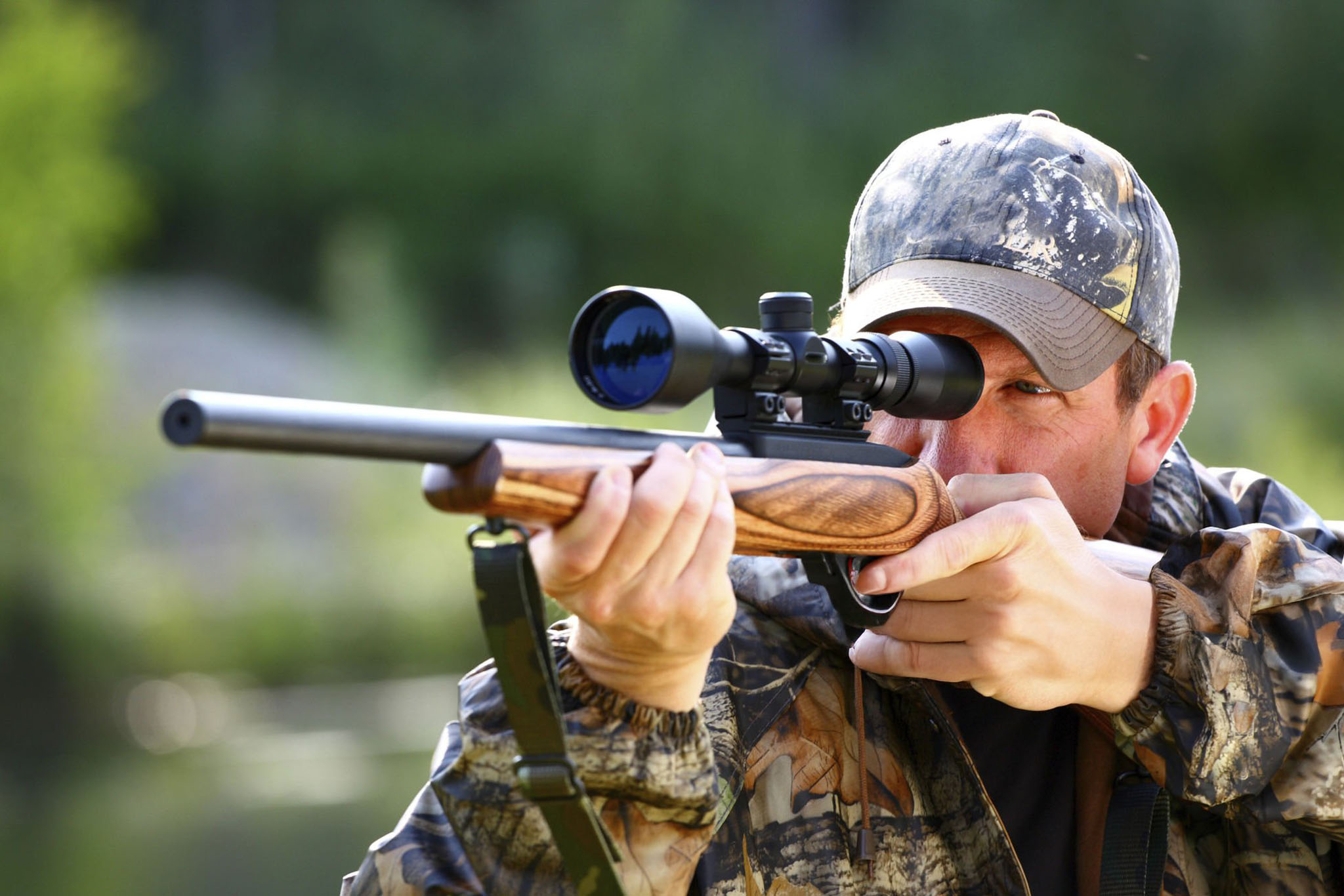
As hunting season opens, excitement is high, and the woods come alive with opportunity. But early-season hunting also brings unique challenges—unpredictable deer patterns, thicker foliage, and the temptation to take risky shots when the first opportunity presents itself. Ethical hunting requires a balance between accuracy, range, and responsibility to ensure clean, humane harvests.
Why Ethics Matter in Early Season Hunting
Ethics are the foundation of hunting. They preserve the integrity of the sport, ensure fair chase, and promote respect for wildlife. In the early season, when deer are less pressured but often hidden behind green vegetation, hunters must carefully weigh every shot decision. Ethical choices help reduce the risk of wounding animals, prevent waste, and build respect within the hunting community.
Understanding Shot Range and Accuracy
1. Know Your Effective Range
Every hunter has a maximum range at which they can consistently shoot accurately. For bowhunters, this might be 20–40 yards; for rifle hunters, it could extend to 200 yards or more. The key is honesty—if you can’t confidently place a shot within the vital zone at a given distance, that shot is unethical.
2. Accuracy Before Distance
Shooting at long range may sound impressive, but accuracy should always come first. Ethical hunters prioritize clean kills over stretching their limits. If that means passing on a 60-yard bow shot in favor of waiting for a closer opportunity, discipline pays off.
3. Environmental Factors
In early season, foliage, branches, and shifting winds can interfere with your shot. Even a slight deflection from a twig can change the arrow or bullet’s path. Always evaluate the line of fire, not just the target itself.
Shot Placement: The Key to Humane Harvests
- Broadside Shots: The gold standard for clean kills. Offers the largest target area for the heart and lungs.
- Quartering-Away Shots: Ethical if the angle isn’t too steep; the projectile travels forward into vital organs.
- Avoid Quartering-To and Head Shots: These angles increase the chance of deflection, poor penetration, or non-lethal hits.
The early season often forces hunters into situations where deer are partially obstructed. If the vitals aren’t clearly visible, the ethical choice is to wait.
Practicing for Ethical Accuracy
Regular Range Time
Spend time practicing at various ranges under realistic conditions. For bowhunters, this includes shooting from elevated stands or kneeling positions. For rifle hunters, practice with field rests like shooting sticks or backpacks.
Focus on Groups, Not Just Hits
Consistently tight groups at your effective range are a true test of accuracy. One lucky bullseye doesn’t mean you’re ready to extend your shot distance.
Simulate Hunting Stress
Shooting at the range is controlled and calm. In the field, adrenaline can affect accuracy. Practice quick target acquisition, controlled breathing, and steady releases to mimic hunting conditions.
Balancing Patience and Opportunity
Ethical hunters know when to pass on a shot. This discipline separates seasoned woodsmen from impulsive shooters. Passing on a marginal opportunity today often leads to a better, ethical shot tomorrow. Early season deer are less pressured, meaning opportunities are likely to come again if you hunt smart.
The Role of Technology in Ethical Shots
Modern hunting gear can aid ethical decisions:
- Rangefinders: Remove guesswork from distance estimation.
- High-quality Optics: Provide clarity in low-light, common in early season evenings.
- Broadheads and Ammunition: Choose gear designed for penetration and accuracy rather than sheer speed.
Technology should never replace judgment, but it can enhance a hunter’s ability to take responsible shots.
Common Mistakes to Avoid
- Overestimating Range: Misjudging distances leads to missed or wounded animals.
- Shooting Through Obstructions: A single branch can ruin a shot’s trajectory.
- Letting Excitement Override Discipline: The early season rush is real—don’t let it compromise ethics.
Final Thoughts
Early-season hunting is an incredible time to be outdoors. Deer are active, patterns are forming, and the anticipation of filling tags is high. But with opportunity comes responsibility. Balancing accuracy and range ensures that each shot taken is ethical, humane, and in line with the principles of fair chase.
When in doubt, pass the shot. Ethical hunting means respecting wildlife, your weapon’s limits, and your own abilities. By prioritizing accuracy over distance and patience over impulse, hunters not only increase their chances of success but also honor the traditions of the sport.
