
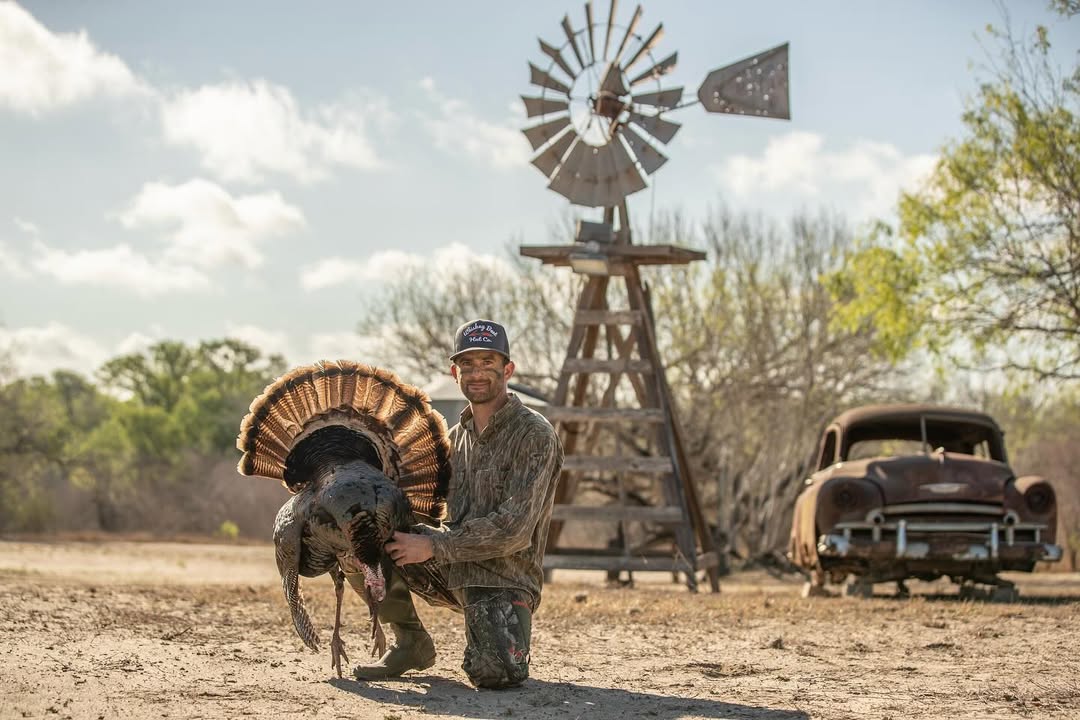
Ask most turkey hunters when the action happens, and you’ll hear the same answer:
“At daylight.”
And while early mornings can be productive, they’re also when pressure is highest, birds are henned up, and competition in the woods is at its peak.
What many hunters overlook is this:
One of the most consistent—and least pressured—opportunities of the entire day happens after the woods go quiet.
That “dead time” between late morning and early afternoon isn’t dead at all. It’s a window where gobblers change behavior in ways that can actually make them easier to hunt—if you understand what’s happening.
Why Midday Feels Slow (But Isn’t)
By midmorning, several things occur:
- Gobbling activity drops off
- Hens move away to nest
- Hunting pressure decreases
- Woods become noticeably quieter
To most hunters, this signals the end of the hunt.
But in reality:
This is when gobblers often become the most huntable—they just stop announcing it.
What Gobblers Are Actually Doing at Midday
1. They’re Finally Alone
Early in the morning, gobblers are often:
- Surrounded by hens
- Focused on breeding
- Less interested in calling
By midday:
- Hens leave to lay or nest
- Gobblers lose their immediate company
- Their behavior shifts from passive to searching
This creates a window where gobblers are actively looking again—but doing it quietly.
2. They Start Covering Ground
Without hens holding them in place, gobblers begin to:
- Move through their home range
- Check known travel routes
- Revisit areas where they’ve encountered hens before
This movement is often:
- Steady
- Purposeful
- Less predictable—but more interceptable
3. They Rely Less on Sound
In the morning, gobblers advertise their location.
At midday:
- They gobble less (or not at all)
- They approach silently
- They rely more on sight than sound
If you’re waiting to hear a gobble, you’ll miss the opportunity entirely.
4. They Become More Receptive Again
After losing hens, gobblers:
- Regain interest in locating new ones
- Respond to subtle calling
- Commit more cautiously—but more willingly
This is especially true later in the season when pressure increases.
Why Most Hunters Miss This Window
1. They Leave Too Early
Many hunters:
- Hunt until 9 or 10 a.m.
- Hear nothing
- Assume the birds are done
Meanwhile, gobblers are just starting to move again.
2. They Depend on Gobbling
Midday hunting requires a shift:
- Less listening
- More predicting
Hunters who rely on vocal birds struggle during this phase.
3. They Don’t Adjust Their Setup
Morning setups often focus on:
- Roost sites
- Open calling lanes
Midday requires:
- Travel route positioning
- Interception points
- Low-visibility setups
Where to Hunt During the Midday Window
1. Travel Corridors
Focus on areas gobblers naturally move through:
- Ridge lines
- Logging roads
- Edges between habitat types
These routes connect:
- Roosting areas
- Feeding zones
- Strut areas
2. Transition Zones
Gobblers often move between:
- Open feeding areas
- Thick cover
The in-between zones are where:
Movement slows—and shot opportunities happen.
3. Shaded, Secure Areas
Midday heat and light push birds into:
- Open timber with shade
- North-facing slopes
- Areas with good visibility but cover
These locations allow gobblers to:
- Move safely
- Respond cautiously
How to Hunt the Silent Window Effectively
1. Slow Down Your Calling
Forget aggressive sequences.
Instead:
- Use soft yelps
- Add occasional clucks or purrs
- Space out your calls
You’re not trying to excite a gobbler—you’re trying to convince him you’re real.
2. Set Up and Stay Put
Because birds are moving:
- Pick high-probability areas
- Stay longer than you normally would
- Let the movement come to you
3. Expect Silent Approaches
Be ready at all times.
- Keep your gun in position
- Watch your surroundings constantly
- Limit movement
Many midday birds show up without warning.
4. Use Terrain to Control Movement
Position yourself where gobblers feel comfortable traveling:
- Slight elevation changes
- Natural funnels
- Edges of thicker cover
This increases the chance they’ll pass within range.
Common Mistakes During Midday
- Leaving the woods too early
- Overcalling to silent birds
- Sitting in low-traffic areas
- Expecting vocal responses
- Moving too frequently and bumping birds
Why This Window Can Be More Productive
Midday offers advantages that early morning doesn’t:
- Less hunting pressure
- Fewer henned-up gobblers
- Increased bird movement
- More natural behavior
You’re hunting birds that are searching—not birds that are already occupied.
The Mindset Shift That Changes Everything
Most hunters think:
“If they’re not gobbling, they’re not there.”
Successful hunters understand:
“If they’re not gobbling, they’re moving—and I need to be in the right place.”
Final Thoughts
The midday window isn’t slow—it’s subtle.
It rewards hunters who:
- Stay patient
- Think ahead of the bird
- Focus on movement instead of sound
If you’re willing to:
- Hunt longer
- Call less
- Set up smarter
You’ll find that the quietest part of the day can become one of the most productive.
Because when the woods go silent…
That’s often when the real opportunity begins.
