
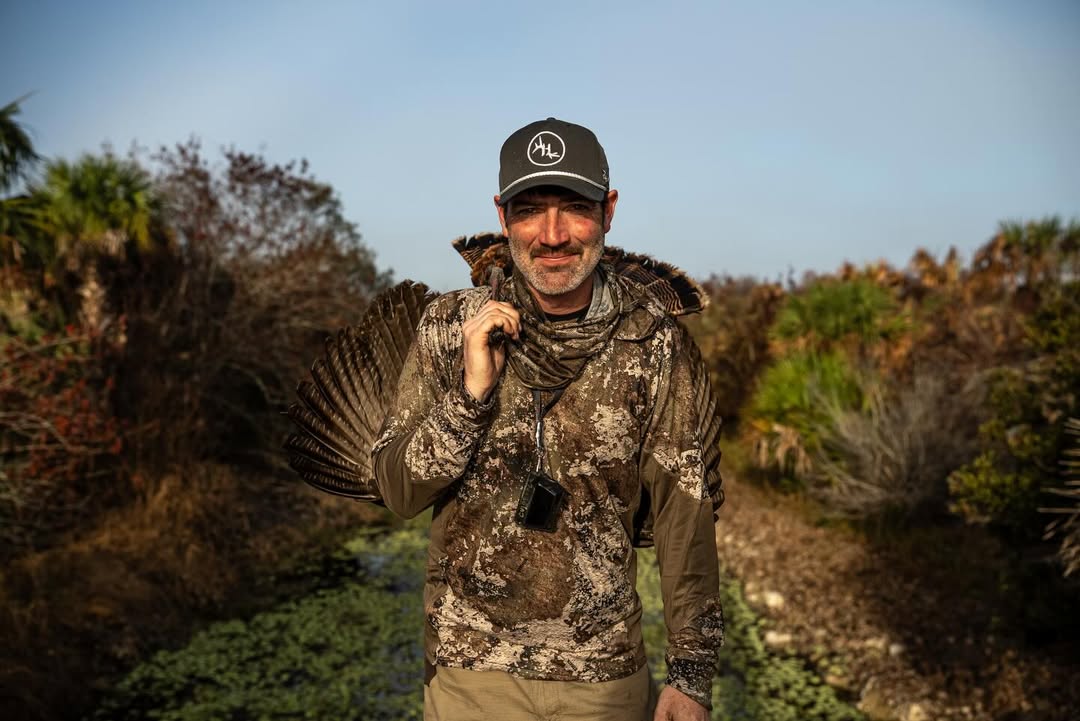
For many hunters, turkey season feels like a short, intense window—weeks of early mornings, calling, and fast decisions. Once it ends, the woods go quiet, and attention shifts elsewhere.
But the most successful turkey hunters don’t stop when the season closes.
They use the off-season to learn more about turkeys than they ever could during the hunt itself.
Off-season scouting—especially in summer and early fall—is one of the most overlooked advantages in turkey hunting. It’s when pressure is low, behavior is more natural, and patterns are easier to understand.
Why Off-Season Scouting Gives You Better Information
During hunting season, turkeys are under pressure:
- They avoid open areas
- Movement becomes unpredictable
- Calling changes their behavior
That makes it harder to learn their true habits.
In the off-season, everything changes:
- Birds move naturally without pressure
- Feeding patterns become consistent
- Daily routines stabilize
What you see in the off-season is closer to how turkeys actually live.
This gives you cleaner, more reliable information to use later.
Understanding Turkey Behavior Outside of Hunting Season
To scout effectively, you need to understand how turkey behavior shifts after spring.
Flock Structure Becomes Predictable
After the breeding season:
- Gobblers group into bachelor flocks
- Hens stay with poults
- Larger flocks begin forming later in the summer
These groupings move differently than spring birds:
- Less scattered
- More routine-driven
- Easier to pattern over time
Feeding Drives Movement
Without breeding activity, feeding becomes the main focus.
Turkeys spend much of their day:
- Moving between feeding areas
- Foraging for insects, seeds, and grains
- Traveling predictable routes
This makes off-season scouting ideal for identifying:
- Feeding zones
- Travel corridors
- High-traffic areas
Roosting Patterns Become Consistent
Turkeys tend to return to the same general roost areas, especially when:
- Food is nearby
- Disturbance is minimal
- Terrain provides safety
Finding these locations early gives you a major advantage later.
What to Look for During Off-Season Scouting
You don’t need gobbling to find turkeys—you need to read sign.
Tracks and Trails
Look for:
- Repeated tracks in soft soil or dusty areas
- Trails leading between cover and feeding areas
- Crossing points along field edges or ridgelines
These show how turkeys move through the landscape daily.
Droppings and Feeding Sign
Droppings indicate:
- Where birds spend time feeding
- The frequency of use
- The size of flocks
Feeding sign may include:
- Scratched ground
- Disturbed vegetation
- Concentrated activity in specific areas
Dusting Areas
Turkeys use dusting spots to control parasites.
You’ll often find them:
- In dry, loose soil
- Near shaded areas
- Close to feeding or loafing zones
These spots highlight areas where birds feel secure.
Feathers and Molting Areas
Summer molt leaves behind:
- Wing feathers
- Tail feathers
- Body feathers along trails or resting spots
These clues reveal low-pressure areas where turkeys spend time during the day.
How to Scout Without Spooking Birds
The goal of off-season scouting is learning without disrupting behavior.
Keep Your Distance
- Glass fields from afar
- Use optics instead of walking directly into areas
- Observe entry and exit points
Limit Intrusion
- Avoid pushing birds out of feeding zones
- Don’t over-visit the same areas
- Let patterns develop naturally
Time Your Observation
Best times to watch:
- Early morning (leaving roost)
- Late evening (entering fields)
Midday scouting should focus on sign—not direct observation.
Turning Off-Season Knowledge Into Hunting Success
All the information you gather now becomes valuable when season opens.
1. Predict Movement Without Calling
Instead of relying on gobbling:
- Set up along known travel routes
- Intercept birds moving between key areas
- Let positioning do the work
2. Hunt Feeding Patterns
Feeding drives movement in fall.
Use off-season scouting to:
- Identify primary food sources
- Track how birds enter and leave fields
- Position setups along these transitions
3. Use Roost Locations Strategically
Knowing roost areas helps you:
- Plan morning setups
- Predict direction of travel at first light
- Avoid unnecessary disturbance
Why Most Hunters Overlook This Opportunity
There are a few reasons off-season scouting is often ignored:
- No immediate reward (no active hunting)
- Less excitement without gobbling
- Focus shifts to other outdoor activities
But that’s exactly why it works.
When fewer people are paying attention, you can gather better, cleaner information.
Common Mistakes to Avoid
Treating Off-Season as Irrelevant
You’re missing your best chance to learn patterns.
Scouting Too Aggressively
Pressure now can push birds out before season.
Ignoring Subtle Sign
Small details often reveal the biggest patterns.
Waiting Until Season Opens
By then, birds are already reacting to pressure.
The Long-Term Advantage
Off-season scouting isn’t just about one hunt—it builds long-term success.
You start to understand:
- How turkeys use your property year-round
- Which areas hold birds consistently
- How movement changes with seasons and pressure
This knowledge compounds over time, making each season more predictable.
Final Thoughts
Turkey hunting success doesn’t start on opening day—it starts months earlier.
The off-season offers a rare opportunity to observe birds without pressure, understand their true behavior, and map out the patterns that will matter when it counts.
Because while most hunters wait for the season to begin—
The smart ones are already learning everything they need to know.
