
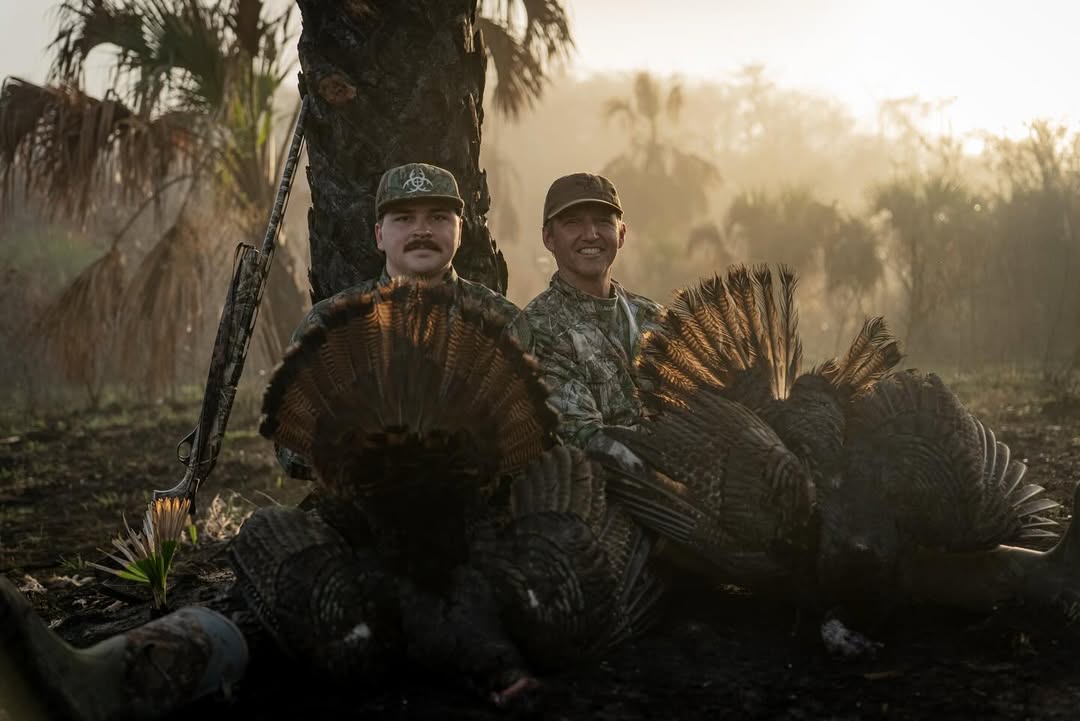
Most hunters pack away their turkey gear once spring season ends. Gobbling fades, woods grow thick, and it feels like there’s nothing left to learn until fall rolls around.
That’s a mistake.
Summer is one of the most underrated times to understand turkey behavior—and the hunters who pay attention now gain a serious advantage when fall season opens.
While turkeys behave differently in summer than they do during the spring breeding season, the sign they leave behind reveals patterns, habitat preferences, and movement habits that carry directly into fall hunting success.
Why Summer Turkey Sign Still Matters
In spring, hunting revolves around gobblers responding to calls. But in summer, turkeys shift into a different mode:
- Flocks regroup
- Feeding becomes the priority
- Daily movement stabilizes
- Birds become less vocal—but more predictable
This creates a unique opportunity:
Instead of reacting to calls, you can start understanding where turkeys actually live and move.
That knowledge becomes incredibly valuable in fall, when calling plays a smaller role and positioning matters more.
Key Types of Summer Turkey Sign to Watch
Even without gobbling, turkeys leave behind clear evidence of their presence.
1. Tracks and Travel Patterns
Dusty trails, field edges, and soft ground often reveal turkey tracks.
In summer, these tracks can show:
- Consistent daily travel routes
- Preferred entry and exit points to feeding areas
- Movement between roosting and feeding zones
Unlike spring, where movement can be erratic due to breeding behavior, summer travel tends to be routine and repeatable.
Fall Advantage:
If you identify these routes now, you’ll know exactly where to intercept birds later—without relying on calls.
2. Droppings and Feeding Areas
Turkey droppings are one of the easiest signs to find and interpret.
In summer, they often cluster around:
- Open fields
- Pastures
- Crop edges
- Bug-rich grassy areas
These spots indicate primary feeding zones, where turkeys spend significant time.
Fall Advantage:
Food sources may change slightly, but birds often return to familiar feeding areas—especially if they remain productive.
3. Dusting Areas
Turkeys create shallow depressions in dry soil where they “dust” to control parasites.
Look for:
- Fine, powdery soil
- Areas under shade or near cover
- Repeated use (multiple depressions in one spot)
These sites are often located near loafing areas, where birds spend mid-day hours.
Fall Advantage:
Dusting zones help you identify safe, low-pressure areas that turkeys trust—ideal for fall setups.
4. Feathers and Molt Sign
During summer, turkeys go through a molting process.
You may find:
- Scattered feathers along trails
- Wing or tail feathers near resting spots
This indicates areas where turkeys are spending time during low-activity periods.
Fall Advantage:
These locations often remain part of a bird’s core area and can reveal secure habitat zones.
5. Roosting Areas
Even in summer, turkeys roost in trees—often near:
- Water sources
- Open feeding areas
- Elevated terrain
Look for:
- Droppings under trees
- Feather accumulation
- Consistent sign over time
Fall Advantage:
Roost locations are critical for fall hunting, especially when trying to pattern flocks and predict morning movement.
How Summer Behavior Translates to Fall Hunting
Understanding the connection between seasons is key.
Stable Patterns Replace Breeding Chaos
Spring is unpredictable because of breeding activity.
Summer, however, reveals:
- True daily routines
- Preferred habitat
- Natural movement patterns
These patterns often carry over into early fall, especially before hunting pressure increases.
Flock Dynamics Become Clear
In summer, turkeys group into flocks:
- Hens with poults
- Bachelor groups of gobblers
- Mixed flocks later in the season
Watching how these groups move and interact helps you:
- Understand group size
- Predict movement timing
- Plan fall strategies like scatter-and-call techniques
Feeding Becomes the Primary Driver
Without breeding pressure, feeding dictates movement.
Turkeys key in on:
- Insects
- Seeds
- Grains
- Green vegetation
Fall hunting also revolves around food, making summer feeding sign extremely valuable.
How to Scout Turkeys in Summer Without Spooking Them
Summer scouting should be low-impact and observational.
Glass From a Distance
- Use binoculars or spotting scopes
- Observe fields early morning or late evening
- Avoid walking directly into feeding areas
Limit Intrusion
- Don’t over-check areas
- Avoid pushing birds out of their routines
- Let patterns develop naturally
Use Trail Cameras Sparingly
- Place cameras along field edges or travel routes
- Avoid placing them directly in core areas
- Check them infrequently
Turning Summer Intel Into Fall Success
When fall season arrives, most hunters start from scratch.
If you’ve scouted in summer, you’re already ahead.
1. Set Up Along Known Travel Routes
Instead of guessing:
- Position along established paths
- Focus on natural funnels
- Intercept birds moving between feeding and roosting areas
2. Hunt Feeding Zones Strategically
- Target edges rather than open centers
- Catch birds entering or leaving fields
- Use terrain and cover to stay hidden
3. Use Roost Knowledge to Your Advantage
- Set up near—but not too close—to roost sites
- Predict morning and evening movement
- Avoid over-pressuring these sensitive areas
Common Mistakes to Avoid
Ignoring Summer Sign Entirely
You’re missing valuable, low-pressure information.
Scouting Too Aggressively
Pushing birds now can disrupt patterns later.
Assuming Fall Patterns Will Be Completely Different
While not identical, many habits carry over.
Over-Relying on Calls
Fall hunting often rewards positioning more than calling skill.
Why This Approach Works
Most hunters treat each season separately.
But the truth is:
The best fall hunts are built months in advance.
By paying attention to summer turkey sign, you gain:
- A clearer understanding of habitat use
- Predictable movement patterns
- Confidence in where to hunt
- A major edge over other hunters
Final Thoughts
Summer may seem quiet in the turkey woods—but it’s far from empty.
Tracks, feathers, dusting areas, and feeding sign all tell a story. And if you take the time to read that story now, you won’t be guessing when fall season opens.
Because the hunters who succeed in fall aren’t just reacting in the moment—
They’re the ones who paid attention long before the season began.
