
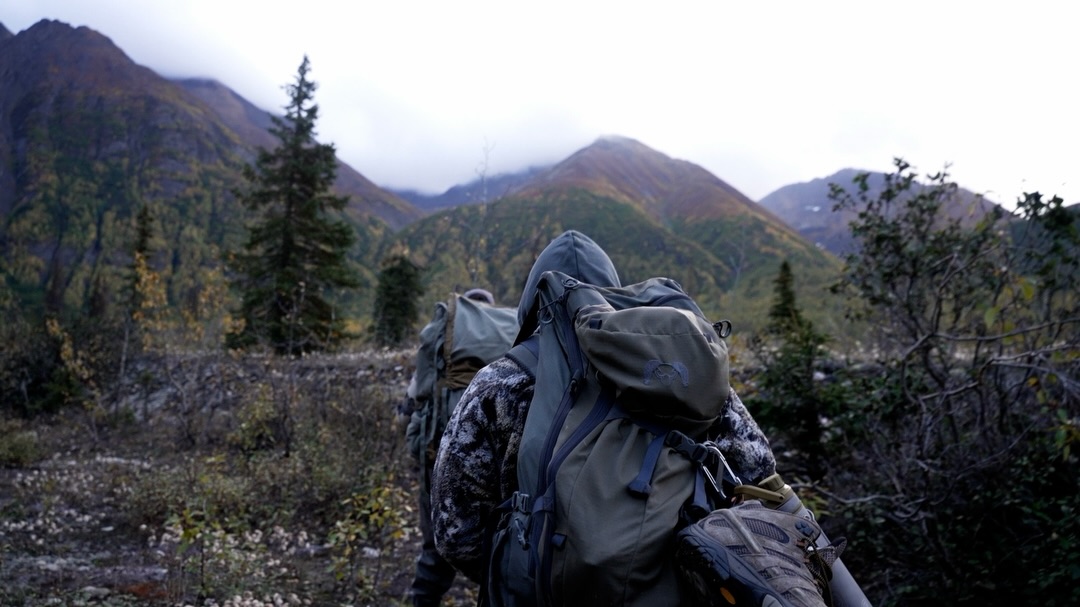
Most hunters spend the summer making multiple trips into the woods—checking cameras, walking trails, and trying to piece together a plan for fall.
But here’s the truth:
One well-timed, well-planned summer visit can tell you more than weeks of scattered scouting.
In fact, too many trips often do more harm than good. Pressure builds, patterns shift, and by the time season opens, the animals you’ve been tracking have already adapted.
If you want to stay ahead, you don’t need more time in the woods—you need the right visit at the right time, with the right purpose.
Why One Visit Can Be More Powerful Than Many
Summer is when deer—especially mature bucks—establish predictable patterns.
- Feeding areas are consistent
- Travel routes are defined
- Bedding zones are stable
But these patterns are fragile.
Repeated intrusion can:
- Push deer into nocturnal movement
- Shift core areas
- Reduce daylight activity
That’s why a single, strategic visit allows you to gather critical information without disrupting what you’re trying to learn.
Timing Is Everything
The success of this approach depends heavily on timing.
Best Window for Your Summer Visit:
- Late summer (just before pre-season changes begin)
- When patterns are still consistent
- Before increased human pressure (scouting, cameras, prep)
Ideal Conditions:
- Midday hours (low deer activity)
- A steady wind in your favor
- Warm conditions when deer are bedded
This minimizes the chance of being detected.
The Goal: Build a Complete Hunting Plan in One Trip
This isn’t a casual walk in the woods.
Your goal is to leave with:
- Stand locations
- Entry and exit routes
- Confirmed travel corridors
- A clear understanding of how deer are using the property
Every step should be intentional.
Step 1: Identify Primary Food Sources
In summer, food drives movement.
Look for:
- Agricultural fields
- Food plots
- Natural forage areas
Pay attention to:
- Entry and exit points
- Trails leading into feeding zones
- Signs of consistent use
These locations often remain important into early fall.
Step 2: Work Back Toward Bedding Areas
Once you’ve identified feeding zones, trace movement backward.
You’re looking for:
- Transition areas
- Funnels or pinch points
- Terrain features that guide movement
Avoid pushing too deep into bedding areas, but try to locate:
- Edges of thick cover
- Likely bedding zones based on terrain and wind
This helps you understand how deer travel between safety and food.
Step 3: Find the “In-Between” Zones
The most huntable areas are often not at food or bedding—they’re in between.
These zones include:
- Travel corridors
- Terrain funnels
- Edge habitat
This is where deer are most vulnerable during daylight.
Your goal is to identify where movement naturally concentrates.
Step 4: Choose Stand Locations With Precision
Based on what you’ve learned, select stand sites that:
- Intercept movement between bedding and feeding
- Offer good cover and concealment
- Allow for favorable wind conditions
Avoid the temptation to place stands directly on food or deep in bedding.
The best setups are often just off the main activity zones.
Step 5: Plan Entry and Exit Routes
A great stand location is useless if you can’t access it without being detected.
Plan routes that:
- Avoid major trails
- Stay downwind of bedding areas
- Use terrain and cover to stay hidden
Think about:
- Morning vs. evening access
- How thermals and wind will affect your approach
- How to leave without alerting deer
This step is often overlooked—but it’s critical.
Step 6: Mark Everything and Get Out
Once you’ve gathered your information:
- Mark stand locations
- Save access routes
- Take notes or use mapping apps
Then leave—and stay out.
Resist the urge to:
- Double-check spots
- Wander further
- Make additional trips
You’ve already done the work.
Why This Strategy Works
A single, focused visit:
- Minimizes pressure
- Preserves natural deer behavior
- Provides clear, actionable information
Instead of constantly reacting, you’re building a plan based on undisturbed patterns.
Common Mistakes to Avoid
Turning One Trip Into Several
Each additional visit adds pressure and reduces your advantage.
Scouting Too Aggressively
Pushing into bedding areas can ruin the entire setup.
Ignoring Wind and Timing
Poor conditions can alert deer even if your plan is solid.
Overcomplicating the Process
Focus on key areas—don’t try to learn everything at once.
How This Sets You Up for Fall Success
When the season opens, you’ll have:
- Pre-selected stand locations
- Clean, low-pressure hunting areas
- Confidence in your setup
- Minimal need for in-season scouting
This allows you to hunt efficiently from day one.
Final Thoughts
You don’t need to live in the woods all summer to be successful in the fall.
In fact, doing less—when done right—can give you a bigger advantage than doing more.
The key is making one visit count.
Because the best scouting isn’t about how often you go—
It’s about what you learn without being noticed.
